
It was a cold day of freezing fog and dull skies here on the Perthshire fringe of the Highland Boundary Fault, impenetrable and forbidding. So I went to Kirkcaldy with Andrew for the ride, and because if we’re looking for better weather, Fife or Dundee are our go-to destinations.
While he was busy pruning trees at Ravenscraig walled garden, I marched down the hill to Dysart harbour, and set off eastwards along the coastal path. Visitors to Fife usually end up either at St. Andrews or the picturesque East Neuk fishing villages, giving the old coal mining settlements of west Fife a wide berth. But I was deeply embroiled in a crime novel by one of my favourite authors, Val McDermid, at the time, and wanted to inspect the haunting locations described, where fictional things had happened and fictional people had so convincingly disappeared, for myself. In so doing, I soon met the ghosts of this once-thriving industry, and the sensed the buried but unforgotten lives of the coal towns and their protagonists.
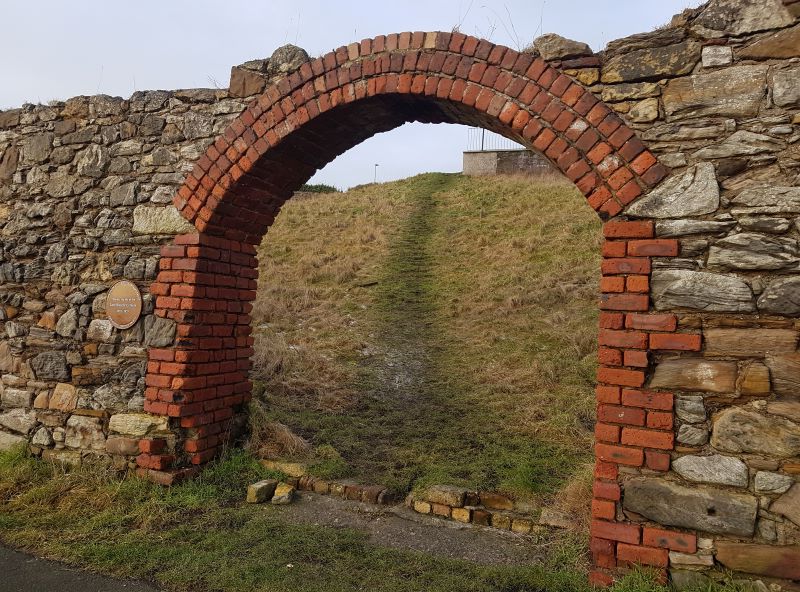
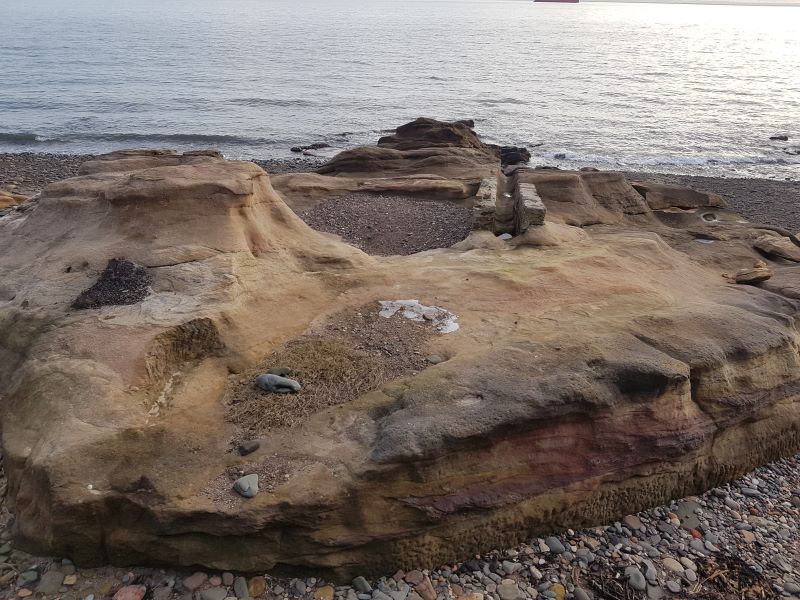
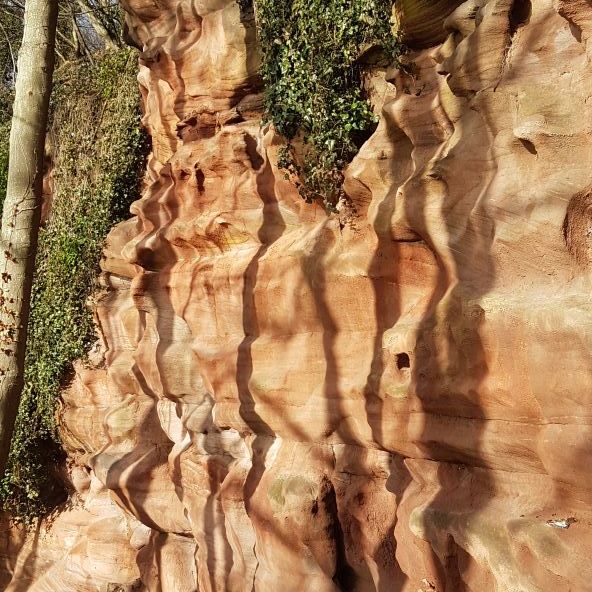
A brick arch in a collapsing stone wall, a desire line path passing through it towards some dilapidated buildings, was all that marked the site of the Lady Blanche Colliery. I walked quickly along the fringe of the beach, where great outcrops of red sandstone, eroded into surreal shapes, looked soft enough to sleep on. Coal seams are found as a layer in a fairly predictable array of sedimentary rocks; where you find this sandstone, you are going to come to layers of shale and mudstone and where they end, you are likely to find the black stuff; ancient plant material from the Carboniferous, compressed by the weight of the rocks and the seas that came to swamp the landscape. Coal. You still find lumps of it, wave-worn, on Fife beaches. Through the middle of one gingery sandstone outcrop a channel had been dug seawards, emphasised by two sturdy walls. Something to do with the mine, or the fishing? I’m no engineer, and couldn’t work that one out.
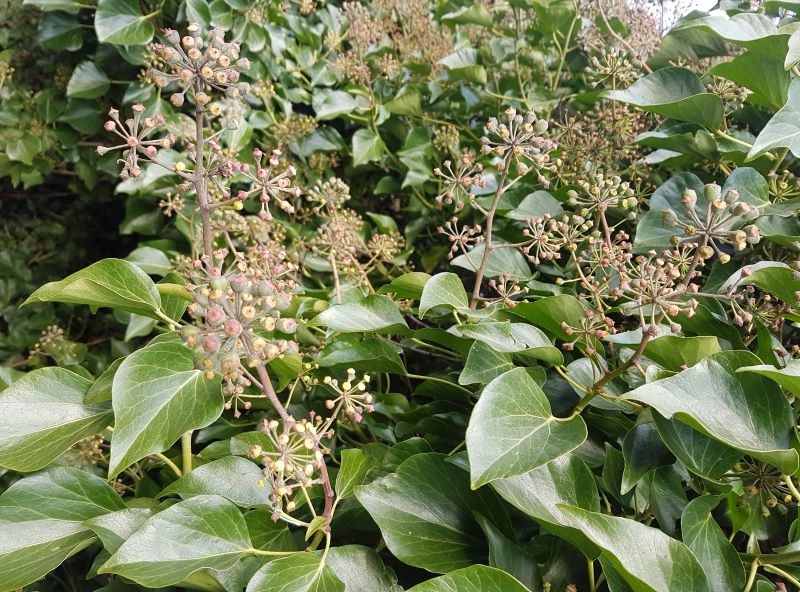
The path veered inland and upwards, skirting a barren-looking stretch of eroding land. I smelt the Winter Heliotrope before I saw the flowers and the foliage that cloaked the steep cliffs. It’s a garden plant, that when it escapes, does so in style and quickly naturalises, especially in difficult sites and thin soils. It is so sweet-smelling you feel for it, flowering away in January when pollinators are scarce, and self-respecting native Scottish wild flowers are keeping their powder dry. But a little further on, I found wild ivy with some flowers on, too, draping itself luxuriantly over sheer cliffs. It usually flowers in November and December – valuable late nectar for bees – and by January bears ripe berries cherished by wild birds. But this was Fife, remember, and Fife does things differently. Already, the temperature was rising and a watery sun floating in and out of tangibility above the Firth.
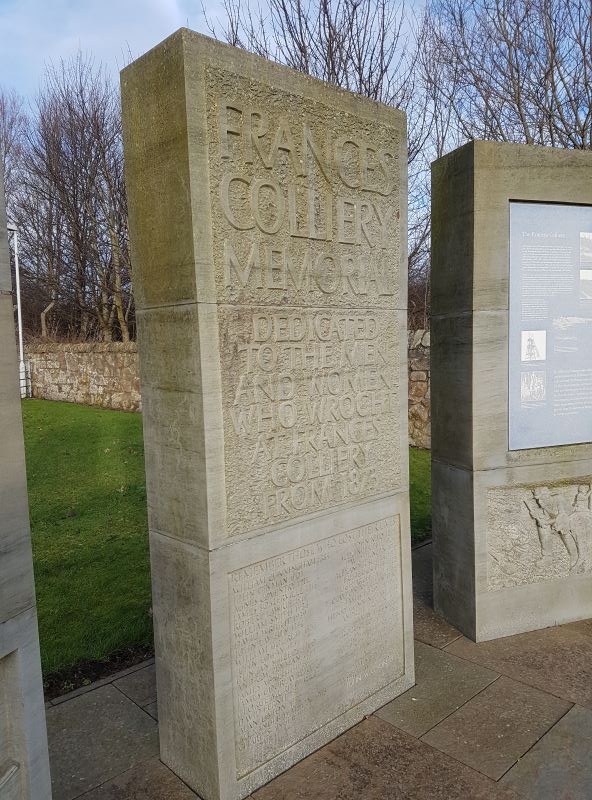
On the very edge of Dysart, I found a striking monument to the miners of the Frances Colliery, bearing the names of all those who had lost their lives there. I found myself muttering the names out loud to myself. What a life it was for miners and their families, the precarity, the solidarity, the tragedy. Something often romanticised, yet here was the bald truth; people died, regularly. Among the names, one jumped out. Agnes Coventry, died 1911. What was a woman doing to get killed at a coal mine? Later, I found out, from the fabulous Durham Mining Museum website, that Agnes had been working at the picking table “when bending under a revolving shaft to reach some dirt which had been lifted off the tables, her clothes were caught by the shaft, and practically torn off. She was removed to the hospital and appeared to be progressing favourably, but she collapsed and died late the same day from shock. The shaft was cased in, but one of the boards which had become loose had been removed and not replaced.” Coal does not just claim its victims underground.
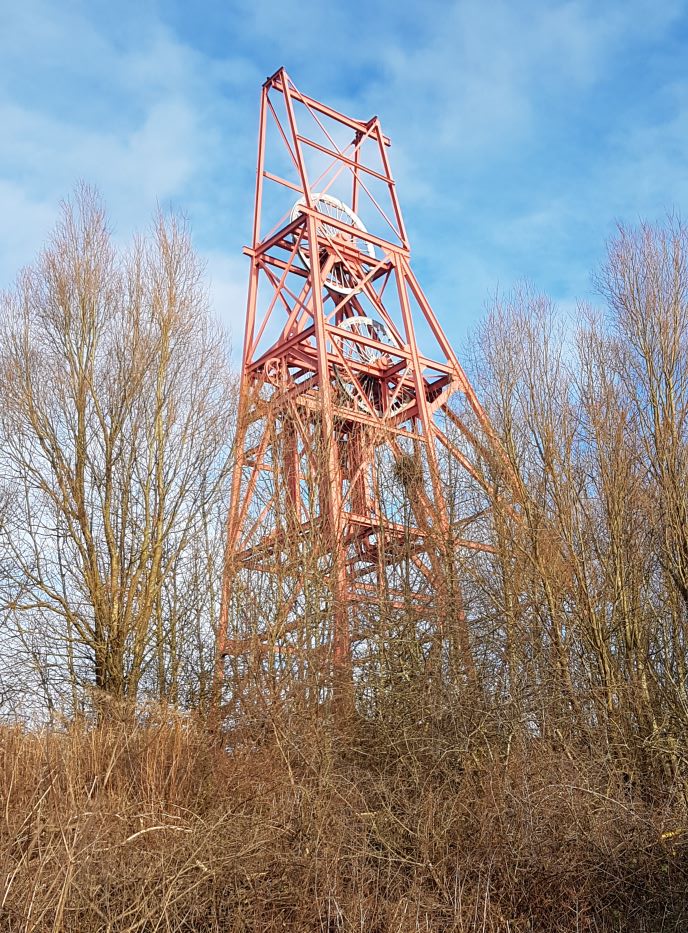
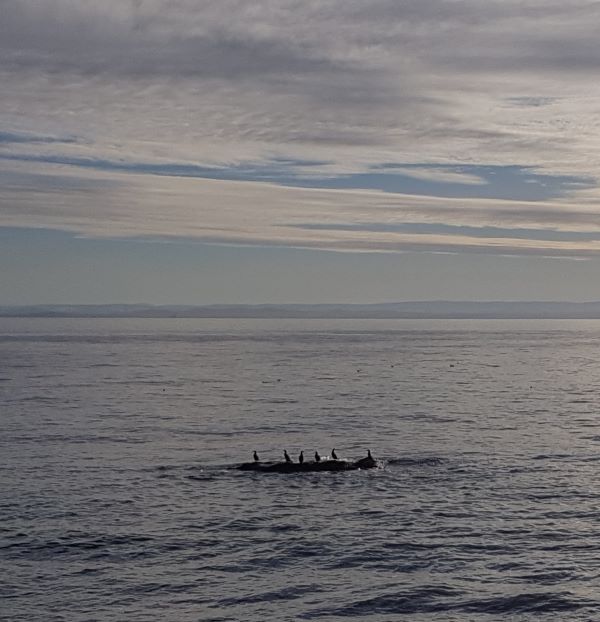
At the top of the cliffs, the path skirted a sinister looking industrial estate, and passed the winding gear of the old colliery, towering over the landscape and lives it once dominated and frowning down on what was now a shimmering sea where strings of cormorants stood drying their wings on half-submerged rocks. The sun, between streaks of cloud, coupled with the uphill climb to tell me I had too many layers on. I took off the thick, fleece-lined woollen jacket under my impenetrably water and windproof coat and stuffed it, protesting, into my rucksack.
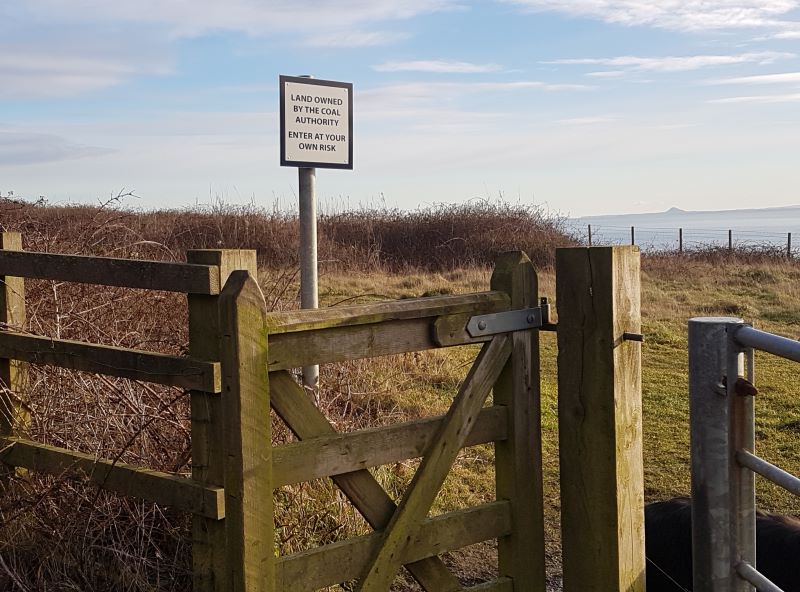
There were great stretches of January-whitened grass and sunken hollows between the path and the cliff edges, badly fenced off, punctuated by warning signs declaring it the property of the Coal Authority. In the distance, several walkers had ignored the proclaimed dangers and were wandering along established desire line paths or admiring the sun-kissed view back towards Dysart. What lay beneath their feet? I ventured through a gate onto the headland for a bit, but soon returned to the path, spooked by signs about sheer drops and risk of landslip.
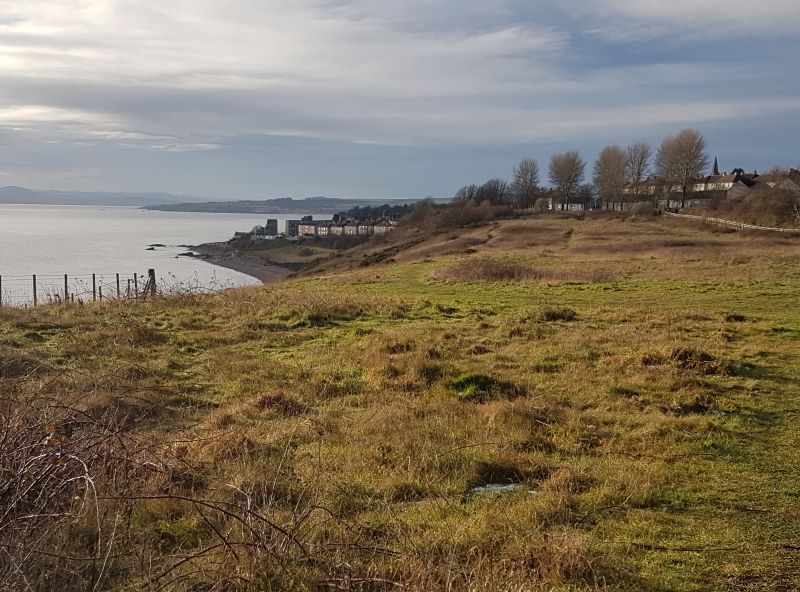
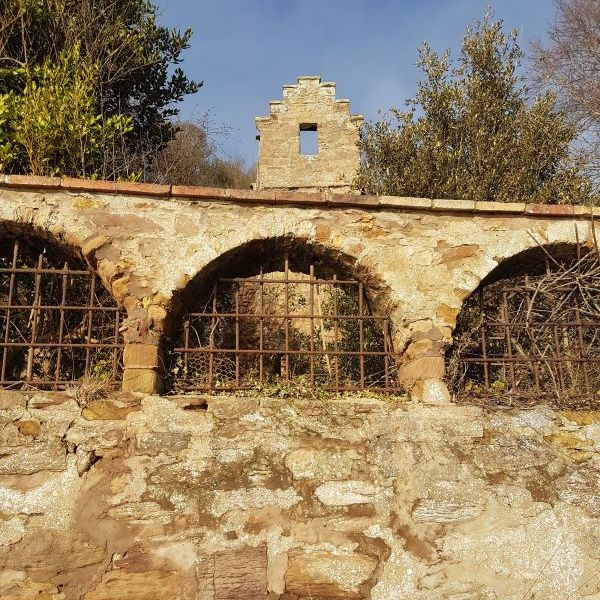
An extraordinarily long and winding set of concrete and stone steps led me back down to sea level and a length of tangled woodland. A solitary raven cronked bad-temperedly overhead at my intrusion into its territory. Before reaching the village of West Wemyss, the path became a rough and potholed concrete track, passing under a turreted wall whose strange arching windows with their keep-out-of-my-land metalwork permitted a peep into the overgrown Wemyss Chapel gardens. Near the harbour was a more homespun and inclusive space. Named as “Alice’s Fairy Garden” on the map, it seemed to be a melding of community projects – artwork and murals, flowers, strange odds and ends aimed at the fairies, and a memorial to “our West Wemyss Van Lady” – whose body was discovered in a campervan in the village car park in 2022. The moulded red sandstone cliffs and overhangs were the backdrop to this little patch, and to me they spoke loudly, with streaks of wind-blown layers and bedding planes, and the contortions wrought by the erosion of this soft, mellow rock.
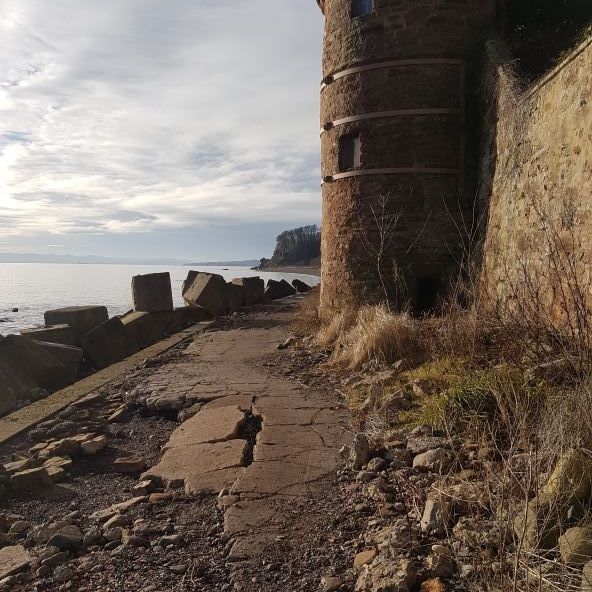
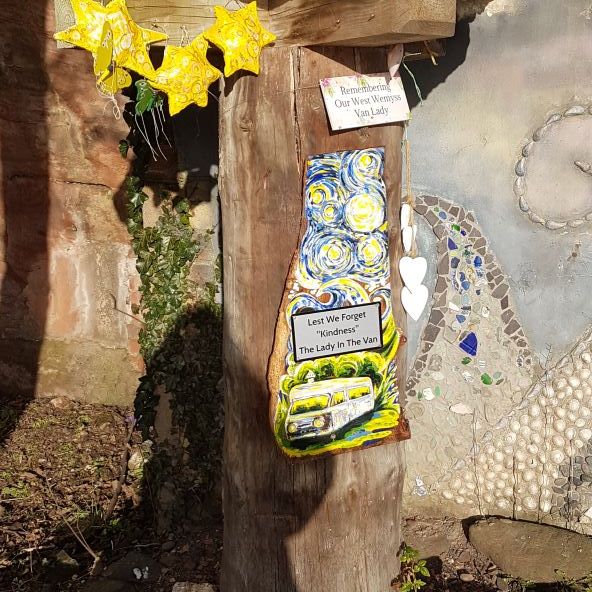
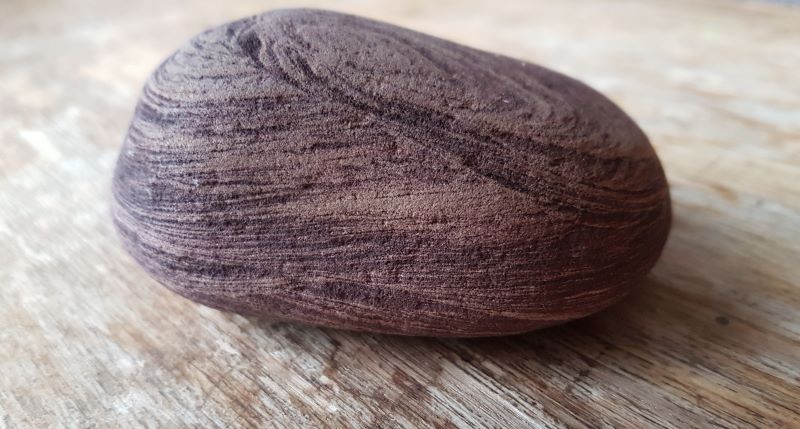
I walked on, hugging the shore to Wemyss Castle, but I was running out of time, and there was a café in West Wemyss that I was glad to return to for delicious soup and a pot of tea, before retracing my steps (yes, even the forbidding stone staircase), past gangs of nosy seals and far more people, now that Fife had fulfilled its promise of sunshine and winter warmth, to Ravenscraig. I stopped on the beach to gather my personal stone from Fife, and found one that encapsulated the properties of the big sandstone outcrops in miniature.
Wemyss Caves, and the stretch from Buckhaven to East Wemyss, will be covered in the next few weeks. It was an eye-opening walk, a thought-provoking one… that centred not only on a landscape but the people who have been, and are, part of it. I don’t know many ex-coal miners, but I do know a few. They are straightforward, confident, cheerful and clever people. They make the very best gardeners and growers.
 Comments on The Nature of the Universe
I was born in East Weymess and know the area well – we would Collect sea coal from the beach – best in the cold East wind. We played in the caves below the castle, and the Michael was still a working pit then (before the fire) – some say it is still smouldering away to this day.
LikeLike
I thought I knew that stretch well , but doing it with you would definitely be the enhanced walk. Thanks, as ever, Rosie
LikeLike