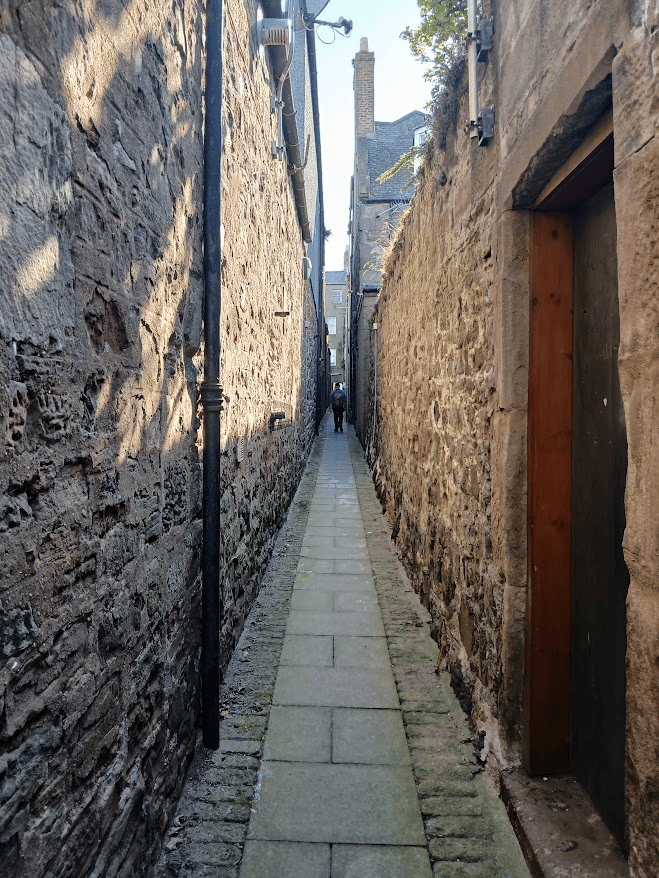
Our nearest town, which prefers to be called a city, is Perth. Perth is very proud of its vennels – the usually narrow and dark alleyways between streets, blocks and buildings that litter the mediaeval layout of the town (sorry, city) centre. They even had a long museum exhibition all about them, which revealed just how few there are left, compared to the maze shown on old maps.
I like getting from A to B in as straight a line as possible, while avoiding roads, and vennels are helpful in this. So wherever I go, I am on the lookout for hidden entrances and gaps, whether in forest or town. Montrose, on a breezy August afternoon when we jumped on a train at random, was no exception.
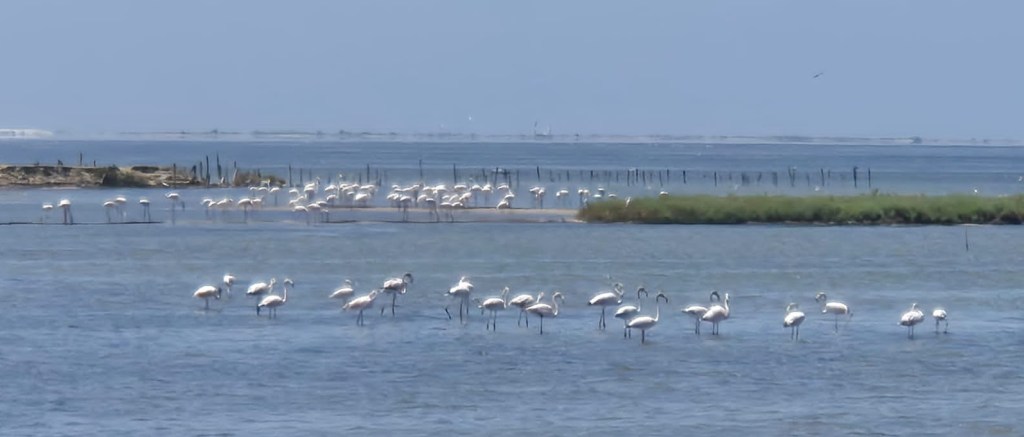
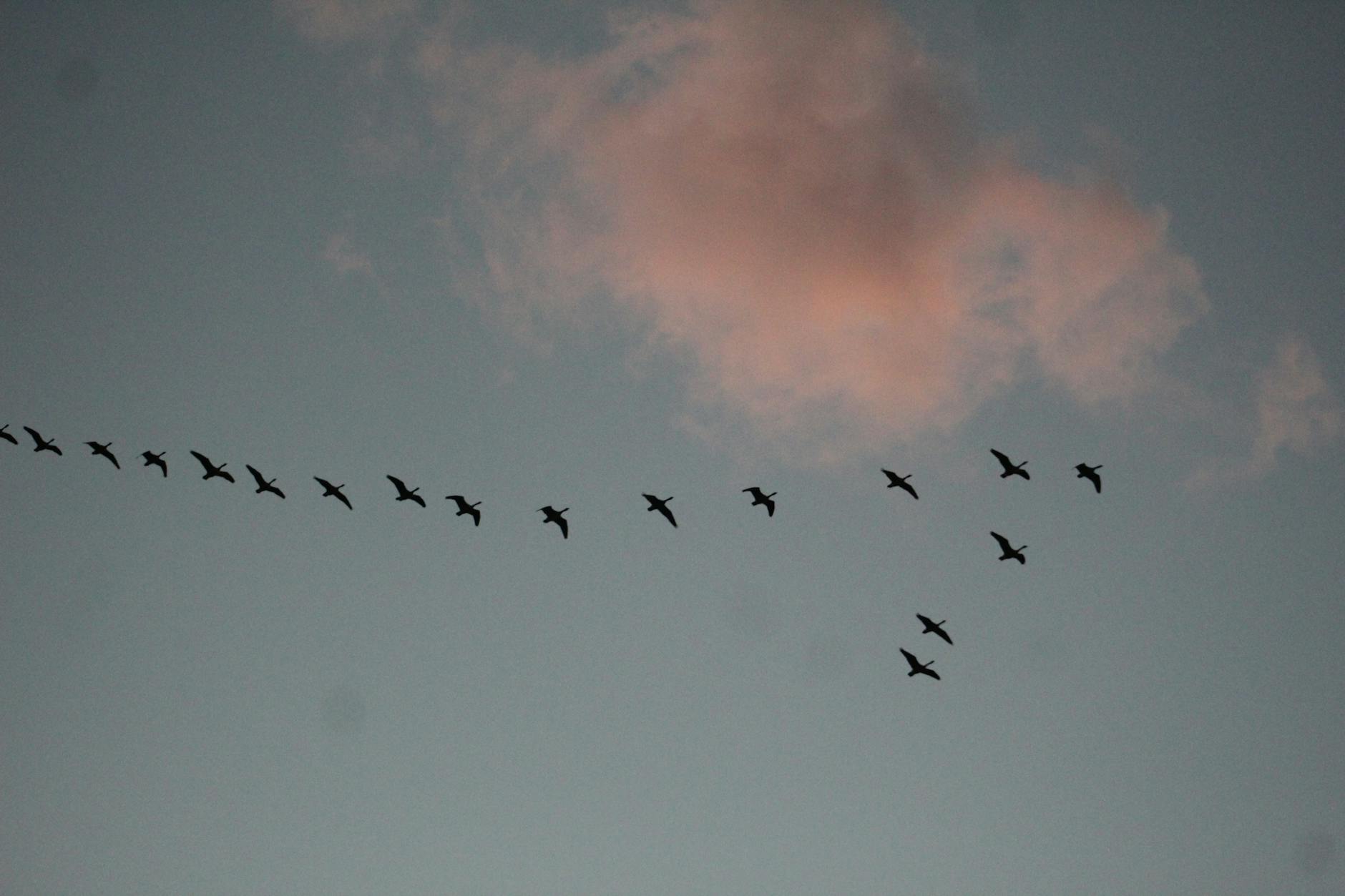
Arriving by train in Montrose is confusing, because the first thing that hits your eyes when alighting is the sea. Except it’s not – it’s Montrose Basin, a vast, round expanse of inland water where the River South Esk spreads in all directions with the tide, filled with wildfowl and waders and enough Pink-footed geese in autumn to warrant a day when all the townsfolk are encouraged to wear pink footwear to celebrate their return. After gazing longingly across the mudflats of the basin at low tide, we turned 180 degrees and attempted to reorient ourselves to head into the town, which is sandwiched between Basin and the North Sea. When we arrived at the High Street, it took a while to work out whether we were at the north or south end of it. I’m not sure I ever did.
Montrose centre is made up of three roughly parallel roads, , all lovingly linked by “vennels” and the occasional Wynd, Lane or Road. And what vennels they are! Some are narrow and dark and very long, set between tall buildings. With the only light a gleam at the other end, you could imagine you were in Maes Howe in Orkney, creeping towards a burial chamber. Some are rough red sandstone, open to the skies but still hemmed between homes and shops, until they turn abruptly to a wider space, and plants and wildlife decorate the walls – and you reach a boring car park at the end.
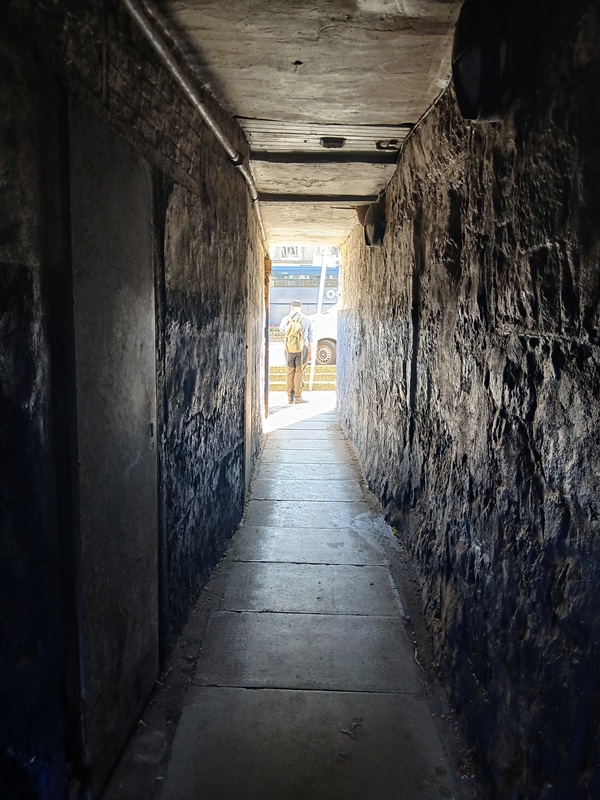
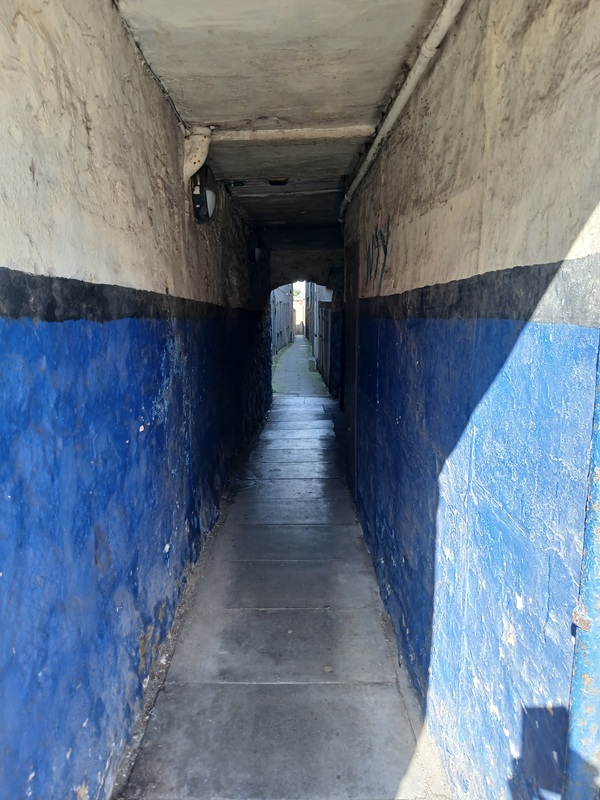
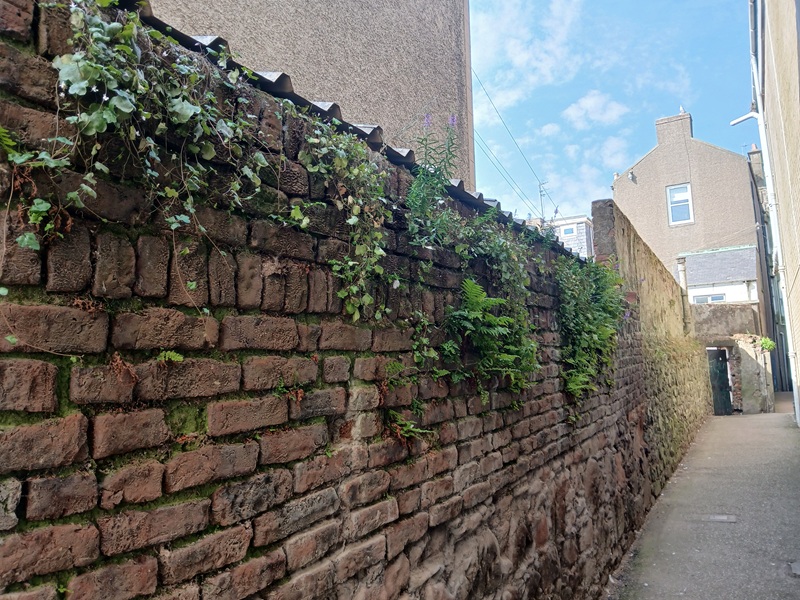
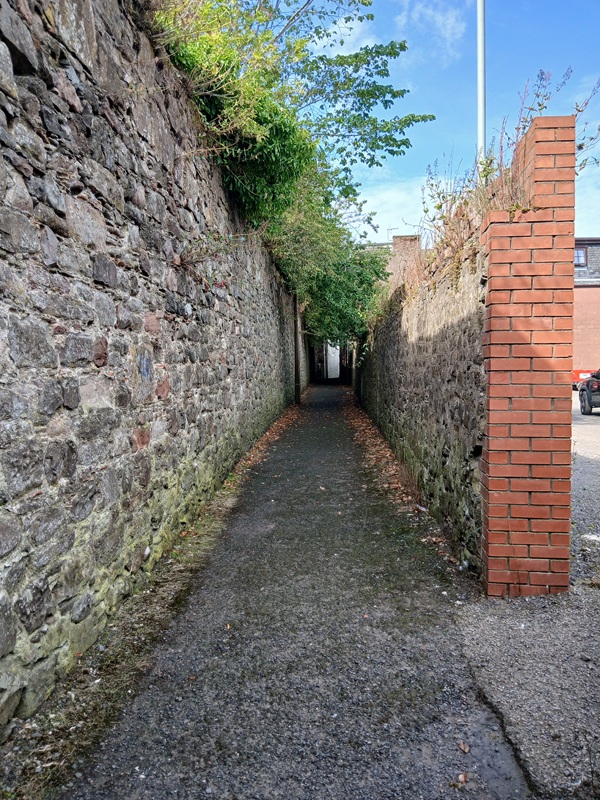
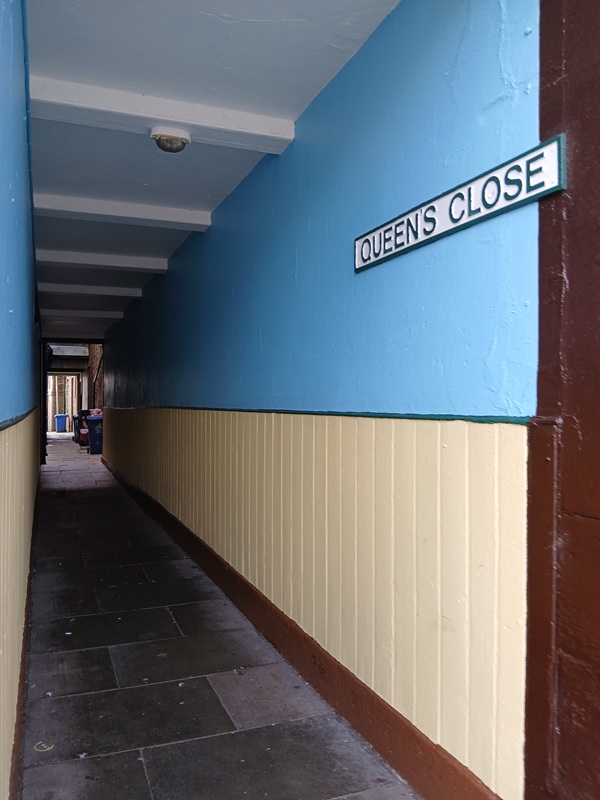
Most of the ones linking to the High Street are handsomely maintained, with painted walls for the first 5 or 10 metres, timber cladding, and even decorated with ornate metalwork and paintings! They have names, but the term “vennel” isn’t used here. The ones named “close”– Swapps Close, Queens Close – probably led originally to private courtyards and were “closed” at one end, while the through-routes – like New Wynd – have sometimes been developed into winding streets.
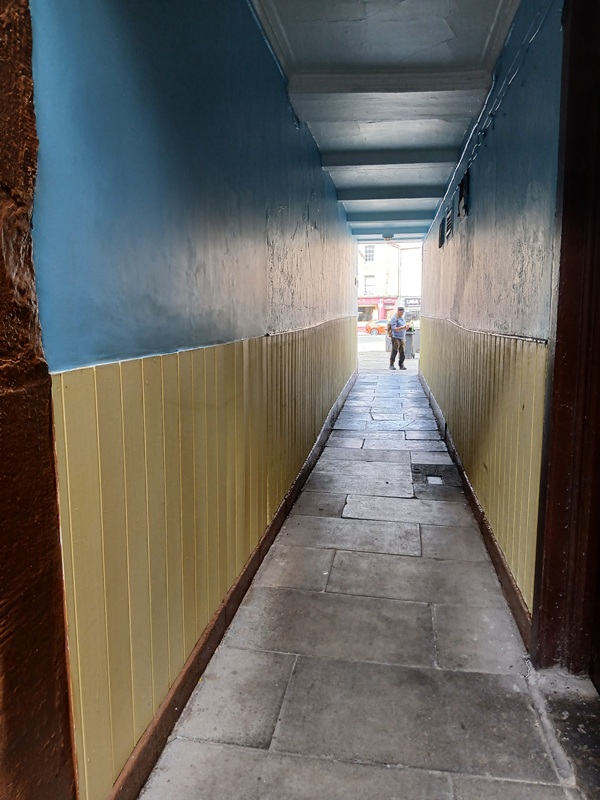
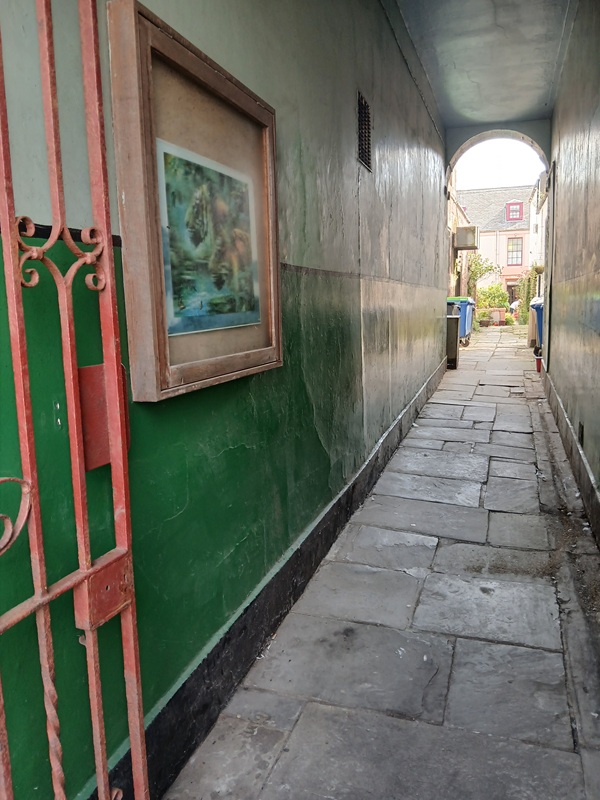
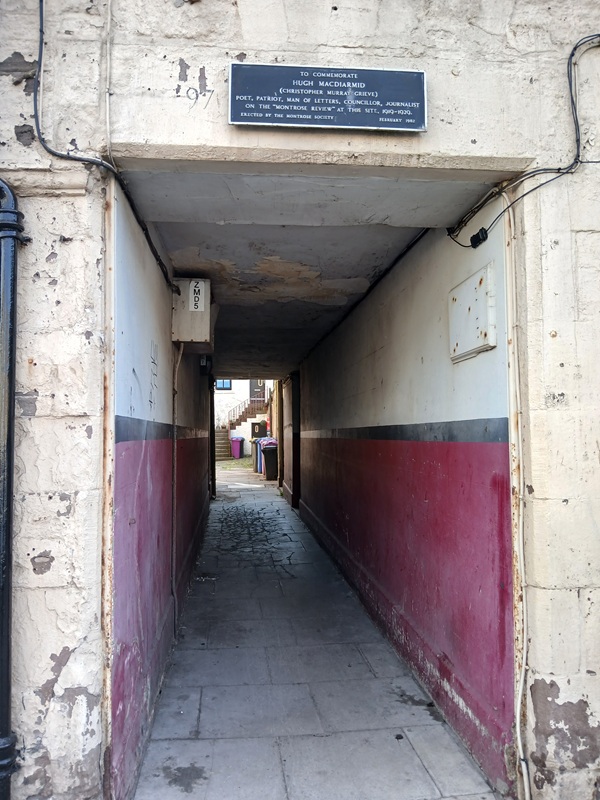
The names sometimes refer to events in history but often there is no name. We came upon the occasional story – such as the commemoration (on one of the scruffier vennels) of Scottish renaissance write Hugh McDiarmid, who worked as a journalist in Montrose in the 1920s.
Unlike Perth’s vennels, none seem to be related to the crafts and trades that inhabited them in the past, but surely they were widely used in one former occupation of the town. Montrose was rife with smugglers. Trusting in the ubiquity of vennels/closes, we explored many and wound up in the brilliant Montrose Museum, to find out more of the town’s history: why there’s a Castle Street but no Castle (destroyed by William Wallace); how the Old Pretender James Edward Stuart, was hidden in various closes before being shipped out of the harbour to permanent exile, and the machinations of the handsome Grahams, the Marquesses of Montrose.
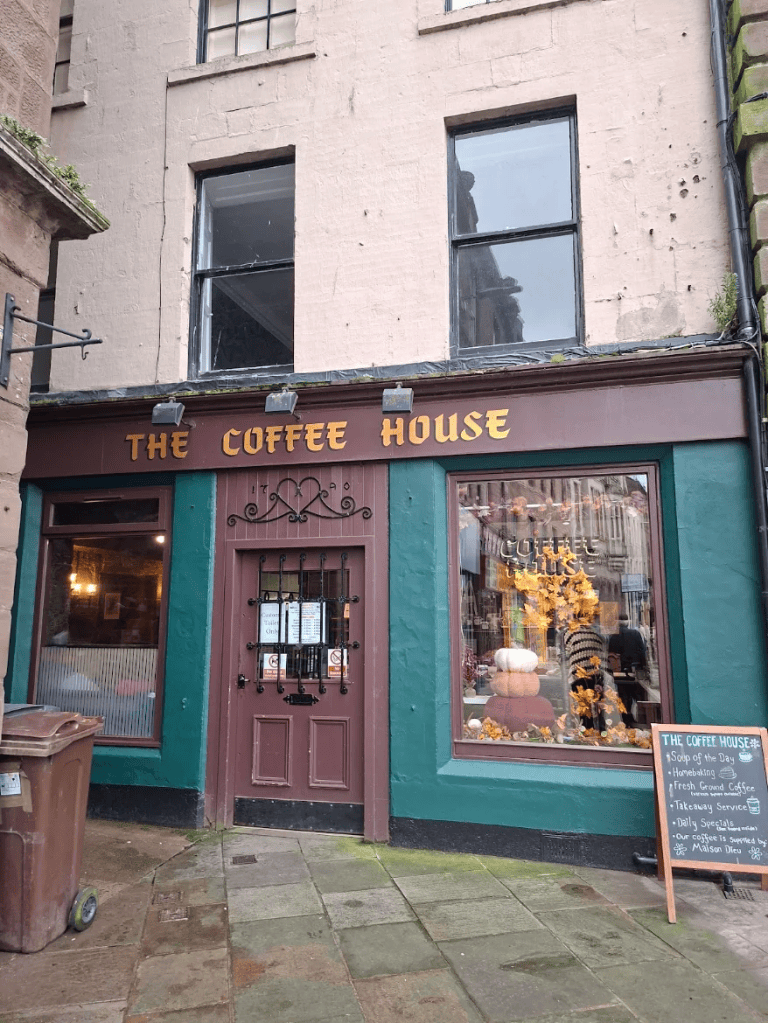
Then we meandered north (or was it south?) until another vennel or wynd presented itself for a short cut back to the High Street and brunch in the cool, dark, and secret Coffee House, whose meandering stone walls, odd corners and breakfast rolls perhaps made it the best vennel of all!