The Undefeated Willow

Willows are the most curious trees. For a start, there are well over 300 species worldwide, with eyebrow-raising common names such as Eared, Goat, Cricket Bat and Crack, or casually colour-hinting names (black, white, grey, violet, red and purple). The colours usually refer to the young stems, and that’s why willows have long been valued everywhere to make beautiful baskets, hurdles and sculpture – along with their wonderful flexibility which makes them capable of being woven without snapping. A well-made willow basket is strong and lasts a lifetime.

Those hundreds of species readily hybridise promiscuously, making identification a chore, to say the least – even in Britain where only nineteen species are considered native. I think it’s unlikely humans really know just how many species and hybrids there are. Willow – or sallow, or osier (even the names are slippery) just won’t be pinned down.

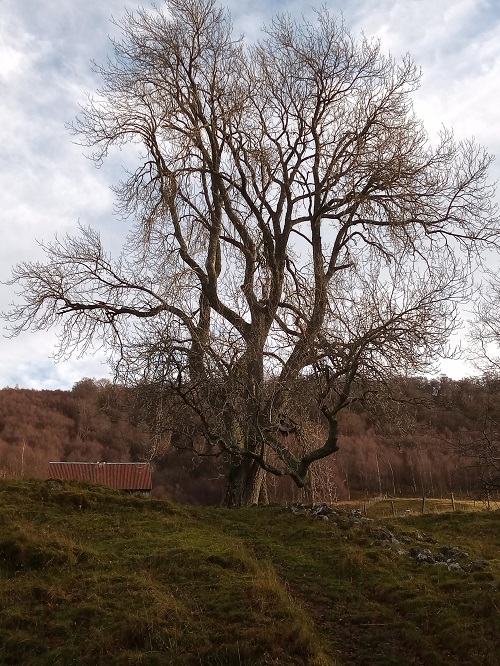
Willow won’t be kept down either, even when it falls. Put a bunch of willow stems in the rain-butt to soak for basketry, and the next thing you know, they’ve all grown roots. They grow quickly, ferociously fast. Two metres a year is not uncommon for new growth. Coppice them, and they’re back up the next year. Their Lazarus impersonations are all the more improbable given the mind-boggling number of diseases the genus is prone to – black canker, blight, powdery mildew, scab, watermark disease, root rot, heart rot and willow anthracnose, to name but a few. They are pioneer trees, kicking off the cycle of colonisation in open ground that is damp or downright boggy, and no one fairly expects them to last for centuries.

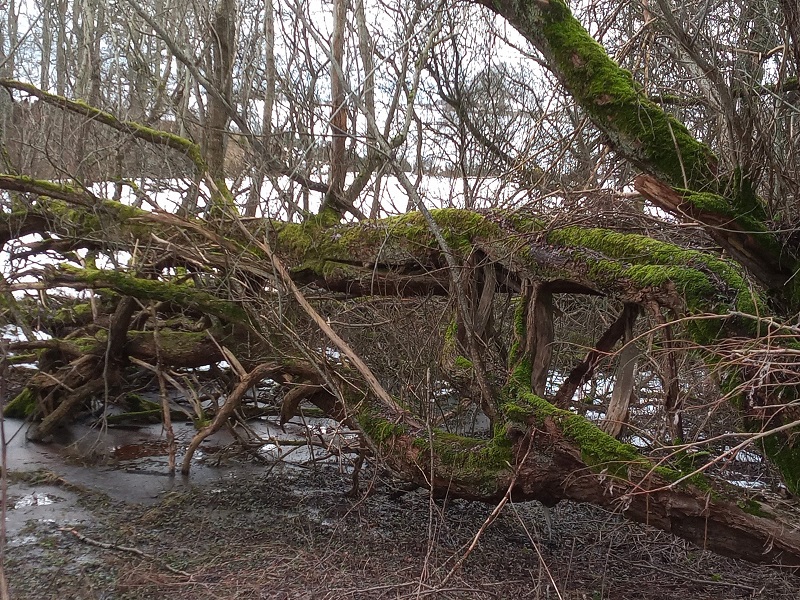
By what remains of the old Back Mill millpond in Bankfoot, there are some death-defying willows. I don’t know the species. One monster of a tree, often pollarded in the past, still stands erect – outrageously enormous, ancient, decrepit. As the millpond has steadily drained of its water and silted up, the roots of these massive willows have been exposed. A flood of heavy rain then washes away the soil, until eventually the whole tree comes crashing down.
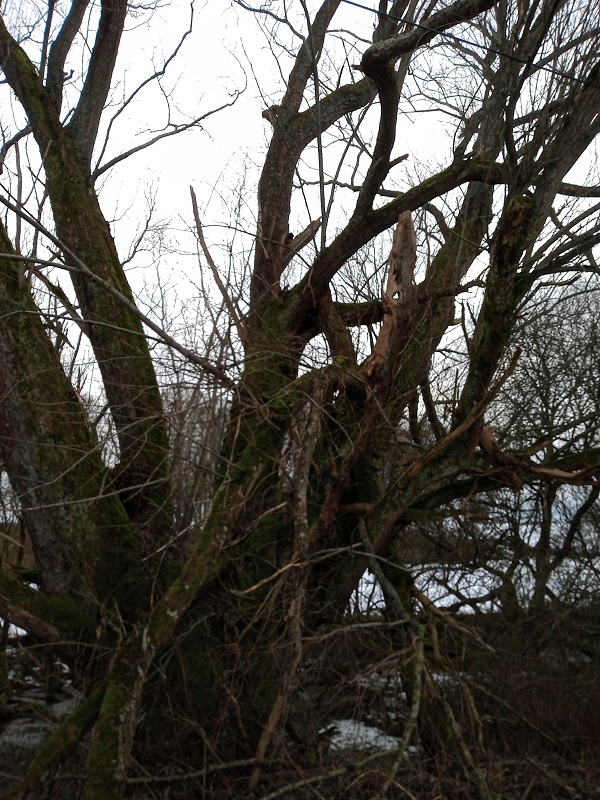
Old Man Willow

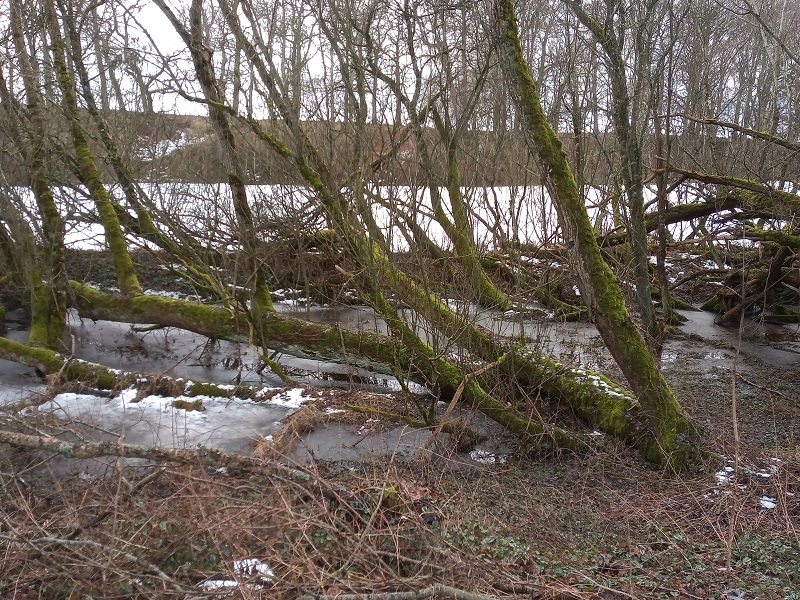
End of story? No way. In falling, the wood, being watery willow, ripped asunder, cracking and splitting in a hundred fibrous places. Some trunks, now horizontal, appear shredded and mashed. Branches poke up out of the devastation akimbo, some dry and decayed, some clinging to life.

Make no mistake, these willows fell a long time ago, Birds have nested in the crevices where they toppled onto each other. Mosses, algae, lichens, ferns have been succeeded in places by other woody plants, growing out of, and contributing to, the accumulation of soil and organic matter. The trees are alive, but they are a substrate for life also.

From the felled boles and wrecked structures, arrow-straight, insolent shoots clamber skywards. They are making new trunks from the old,even where the original tree has scarcely more than a twisted root in soil or water. A veritable willow plantation arises from the un-dead.
Bankfoot Church is Falling Down

In February 2004, workmen were burning rubbish on a demolition site. It was a day of gusty winds, when safety procedures should have never allowed a bonfire to be considered. At some point, sparks whirled viciously into a neighbouring building, caught hold, and within minutes a blaze ensued that could not be extinguished before the building was lost.

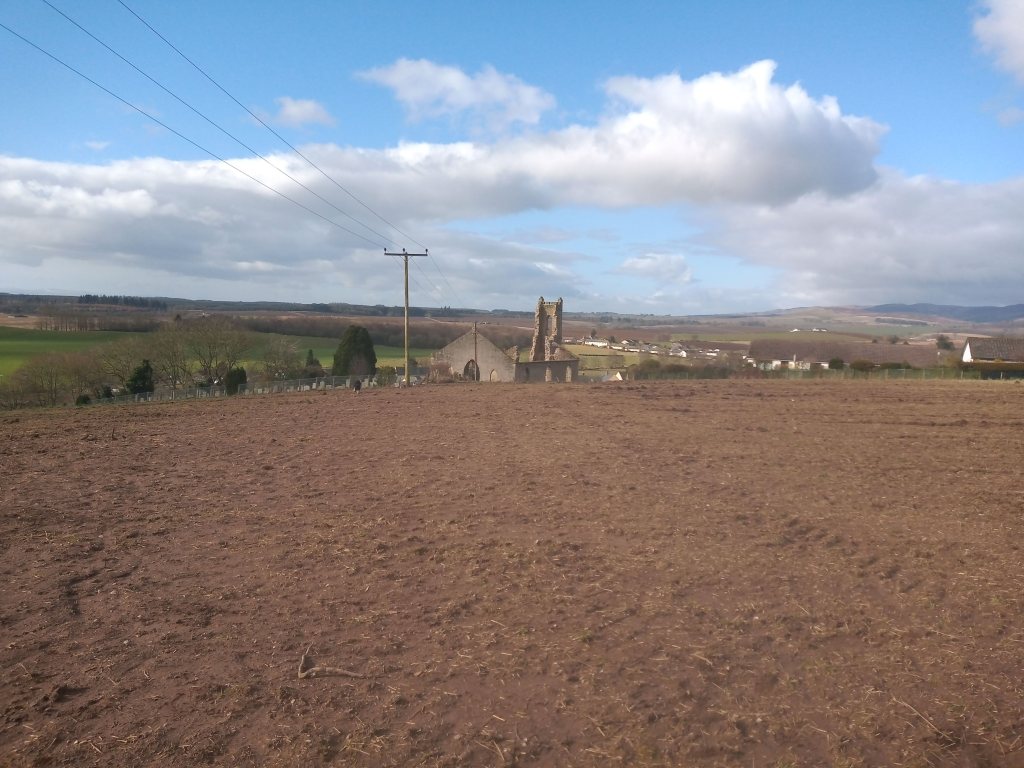
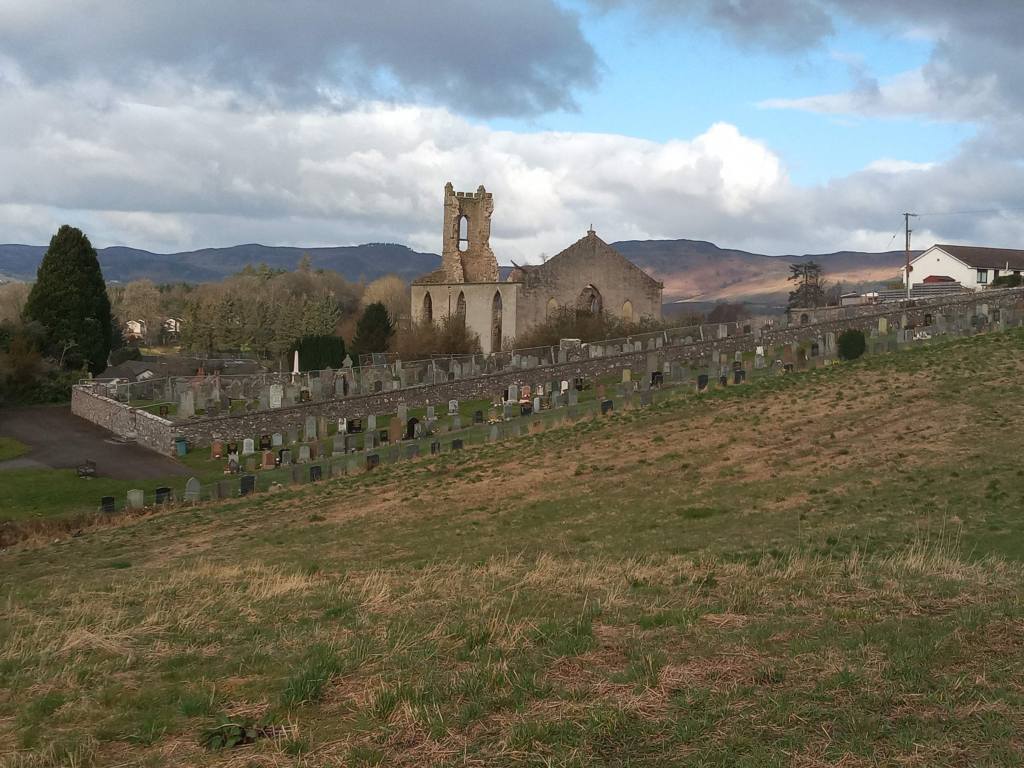
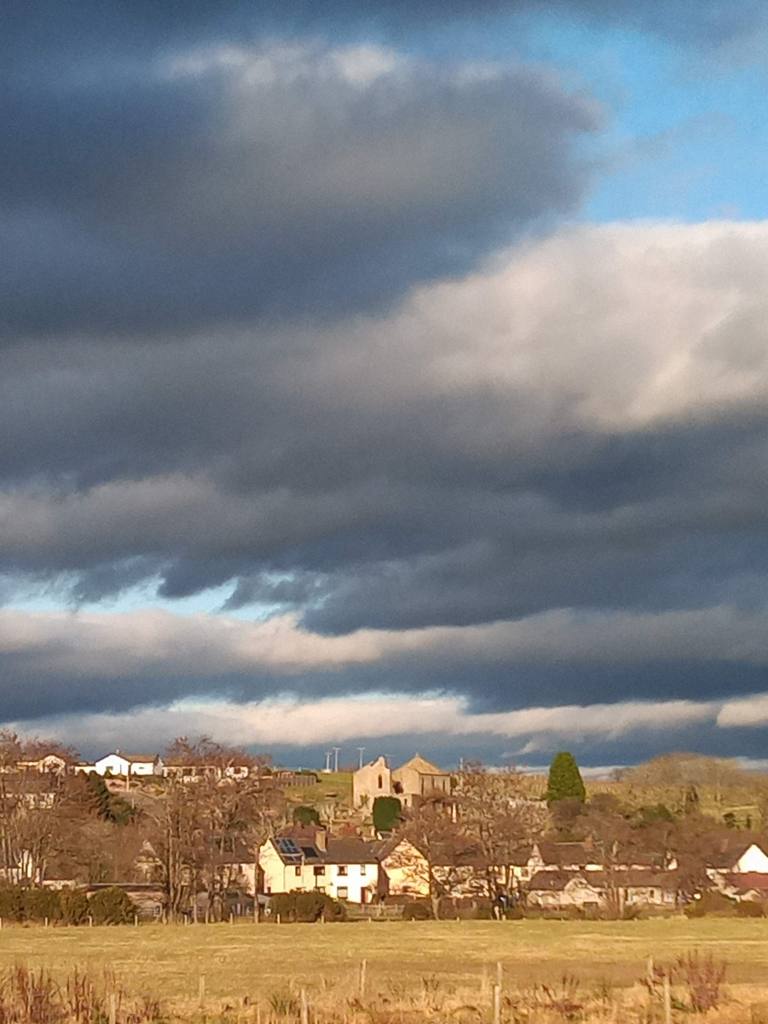
The building was Auchtergaven & Moneydie Parish Church, sited on almost the highest point in the Perthshire village of Bankfoot. It had stood, glowering over the village, for 207 years, its timbers dry, warm and perfect for burning. Not a regular churchgoer, I’d nontheless been there a few times in the seven years I’d lived in Bankfoot, panting my way up the steep path to the entrance, and I’d enjoyed the simple, uncluttered warmth of the wood-lined interior and the sincerity of the congregation. It was a bonnie church, and a landmark for miles around. That day, horrified drivers on the nearby A9 slowed to a crawl, as flames shot to the sky.

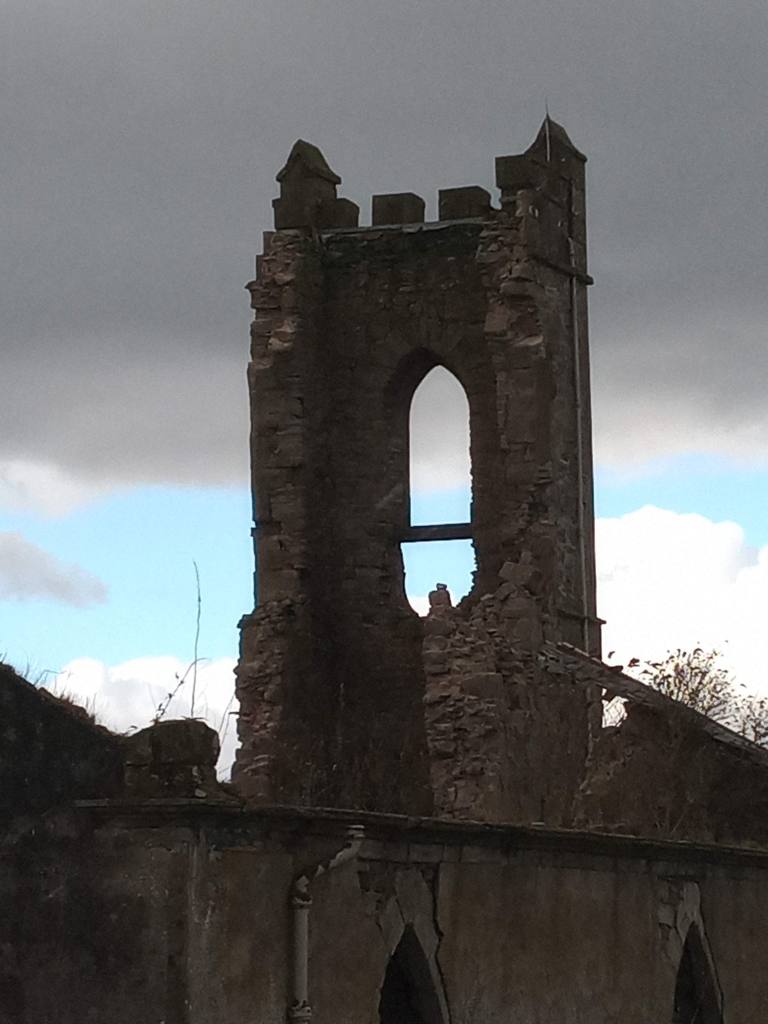
In the aftermath, the old church was not “burnt to the ground” – but it was certainly gutted. From a distance, there were many years when at first glance, you’d never know it was a ruin. The tower still stood, majestic – maybe more so than before – defiant, presiding over a landscape of haphazard hamlets congealed into one village, farmland, people and beasts. After considerable deliberation and assessment of the building’s condition and fitness for purpose, the Church of Scotland, advised by the will of the congregation, opted to build a new church on flat land it owned in the centre of Bankfoot, complete with community facilities and a low carbon footprint. It was a brave and right decision, I think, which offered accessibility and possibilities the old church never could. The original bell, cracked by fire to tonelessness, was rescued and installed as the new font.

But it left little in the coffers to do anything with the remaining structure. Disputes and debates went to and fro for years, between the culprit building firm, insurers, the Kirk, local residents, fundraisers, historians and those with an interest in the surrounding graveyard. Meanwhile, safety fencing went up around the site, the grass grew, and saplings appeared in the smoke-blackened walls. Stone crumbled unnoticed. Blocks occasionally fell; still the tower stood, indomitable. Saplings grew into trees; buddleia, that great exploiter of devastation and demolition, proliferated in the nave and drew in butterflies. Wild flowers and ferns took hold of crevices in outer and inner walls, solitary bees visited and maybe nested in crumbling mortar. Jackdaws and pigeons were regular inhabitants in spring. A garden began to grow in the sanctuary. Who knows what wild creatures found refuge among the piles of fallen rubble? No-one could get in to disturb or identify them.

I know many people found it heart-wrenchingly sad. For me, with an ambivalent attitude to organised religion at best, it was more a change in emphasis. I felt the human-centred heart of the building died with the fall of the final clock-face, never to chime again and remind us of the days and hours. One day, out walking in early spring 2020, I noticed that the tower looked a bit odd. I went closer to see if I was imagining things, and discovered that although the front facade still held fairly intact, most of the sides of the tower had fallen in. What was left looked more precarious than ever, but it hadn’t stopped the jackdaws from building warring nests on each remaining pinnacle, or the collared doves gossiping lovingly in hollowed alcoves. Chaffinches and sparrows bustled about purposefully, hopping between the seed heads, roosting on bits of masonry.
I wondered what God – by any name or none – would make of it all. Inevitably St. Francis came to mind, who would surely be quite at ease to see wildlife frequenting a religious building. I thought of the early saints who taught that Celtic version of Christianity which reveres all life, not just the human kind. Jesus himself (despite an unfortunate show of spite to a certain fig tree) counselled his followers on the great value of seeds and sparrows, and the lilies of the field.

Well, I’m no theologian. Who knows? But now the rest of the tower has finally gone, with a crash in the night that woke up the residents of Cairneyhill. The skyline will never be quite the same. I hope the jackdaws and all the other members of Auchtergaven’s wild congregation hadn’t started to build their nests.

Just round the next corner….

How often in the past year have you heard someone say, “You never know what’s around the corner”? Or felt anxiety because you really, really don’t know what is happening or going to happen to you, and the future is obscure? We got caught in the Christmas Covid Car Crash, and are just mentally reeling from a close encounter with coronavirus. We emerge, cautiously and with reluctance from tests and self isolation, while our close family recover from the virus. We emerge into another lockdown, and feel relieved. Self-isolation, let me tell you, can be addictive when you’ve been scared, and realised how ill-prepared you are for dying.

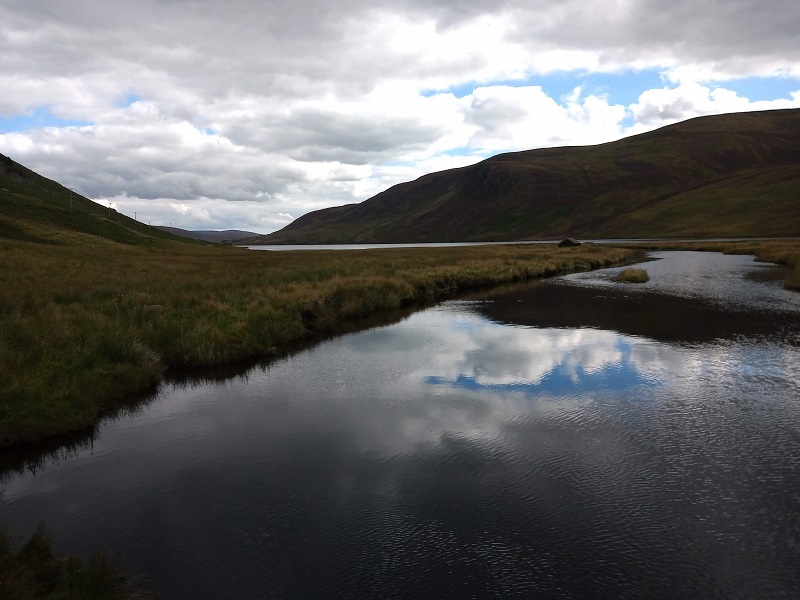
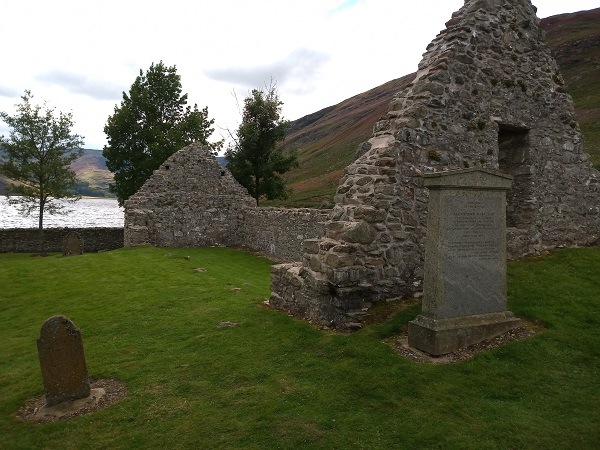
Back in late summer, when such things were still possible, we had a two day camping trip to Glen Esk. On the second day, we decided to take a short and easy walk up Glen Lee. Short, to give us plenty of time to enjoy a cycle down Glen Esk as well. At first, we decided, we’d just go to the start of Loch Lee and turn around. But just beyond the point where the Water of Lee calmly enters the loch, we could see the ruins of a church or chapel by the waterside. “We’ll just go to that and explore.”

The tiny old parish church of Glenesk had not been used in a good while, but the ancient gravestones, carved with faces and bones and what look like crossed spades, suggested a long history. In fact, a church of some kind is believed to have stood here since at least the 8th century. The sun on the well-tended grass invited a long dawdle and a picnic, and then we ambled along the track by the loch. The other end of the loch wasn’t quite visible, so we thought we’d “just go round the next corner” to see it.

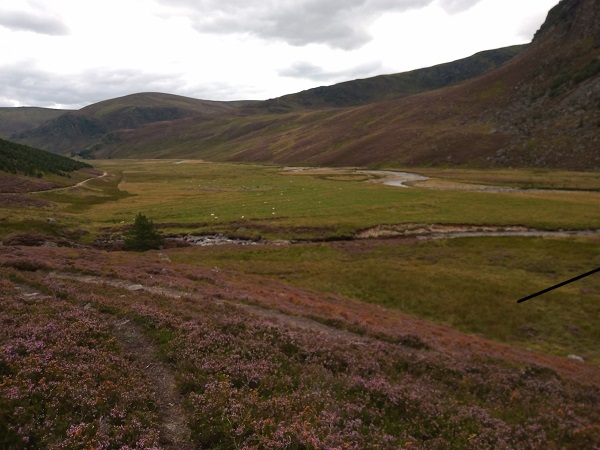
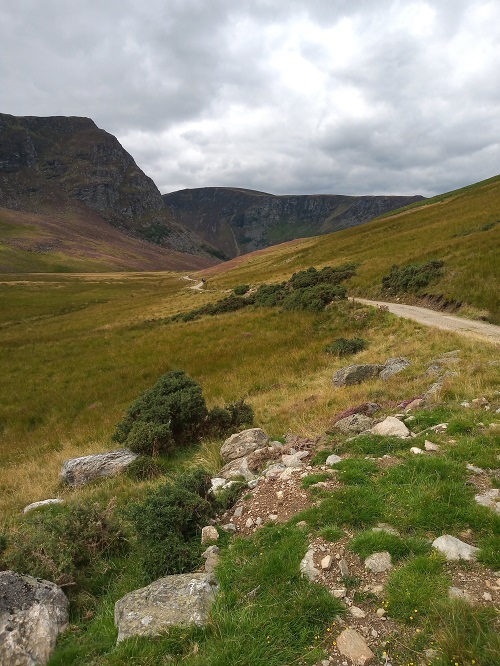
And so we began the inevitable daunder-of-curiosity which besets all walkers in new territory – the drive to see what’s round the corner, or over the next hill. Round and past the far end of the loch, skirting the flat plain where we looked for the signs of ancient habitation, past deserted farmsteads and into the steep-sided valley, up into the purple heather. Every crag we rounded gave us sight of another; we had to know what came next.

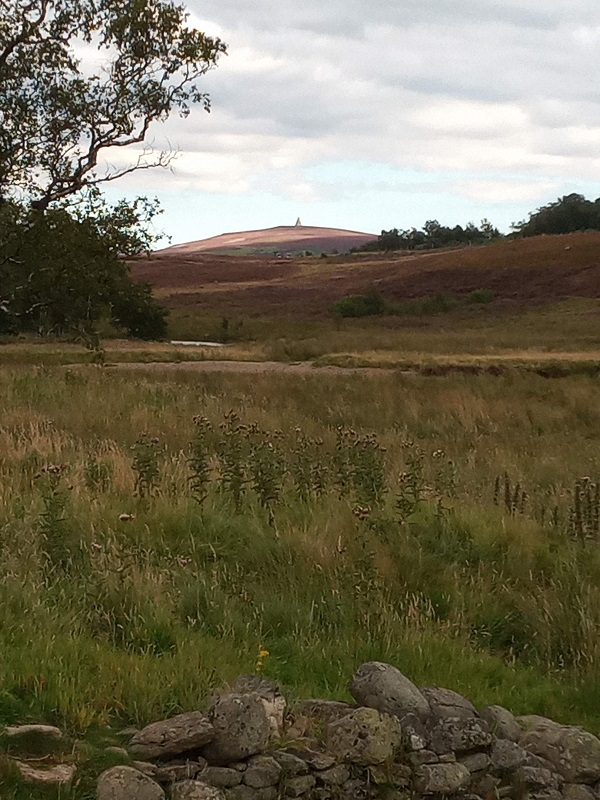
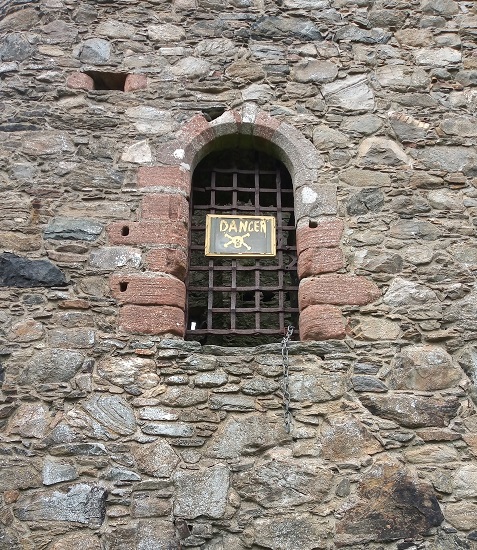
Eventually, we saw the Falls of Unich, where tracks to right and left might have given us a circular walk. But we didn’t have a good enough map, and still wanted a cycle. So we returned the way we came, marvelling lazily at the carnivorous sundews and butterworts in the ditch by the track, stopping to watch a hen harrier swooping low over the crags and rising again, while we, in turn, were closely observed by ravens, shouting harshly at our passing. Before we got the bikes out, we had time to admire the forbidding Invermark Castle and the tempting Hill of Rowan, surmounted by the imposing Fox Maule-Ramsay monument.

On this short walk, we left many corners not turned. Maybe we’ll go back. Maybe we won’t. Truth is, none of us knows, or ever has known, what’s around the corner, even when we succeed in deluding ourselves that we can plan ahead and things will always turn out as we planned. The future’s the un-turned corner, and we can only know for sure about the corner we’re standing at.

A warning from Invermark Castle

Yggdrasil: The World Ash Tree

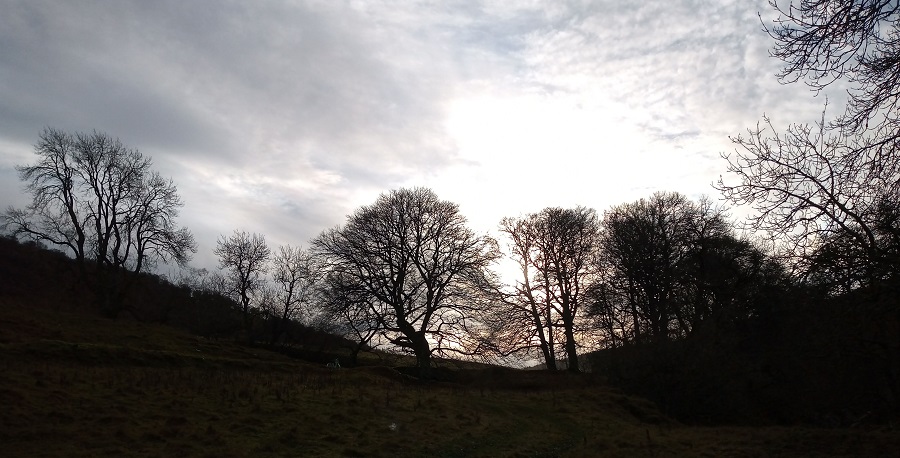
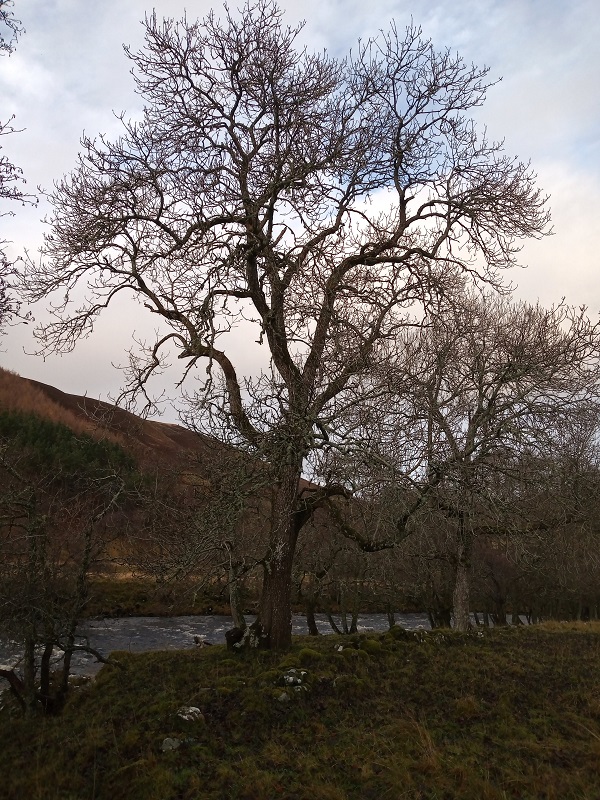
The ash tree, with its distinctive black, pyramid-like winter buds that sit defiantly opposing each other, was the first native tree I learned to recognise in winter. From the grey, ebony-tipped twigs I stood back to take in the whole glorious form of this tree at maturity: the grace and strength of the downward-sweeping branches, the solidity of trunk and main frame, and the artistic flourish with which the ends of each branch skip briefly skywards following their downward plunge.

Like all deciduous trees, the beauty of its structure is revealed annually at leaf-fall. We may love and appreciate our trees in summer, but in winter, we can truly see them. I never tire of looking at trees in winter.

Sadly, the monumental frozen-motion glory of the mature ash is a sight less and less available to us. Ash die-back disease is caused by a fungus (Hymenoscyphus fraxinea) which attacks and infests the bark, leading to wilting of leaves and die-back of those optimistic, sky-seeking terminal twigs. Jaggy, stunted branch-ends and lesioned bark are more often what we see today. The spores are wind-blown, and so it has spread inexorably through Europe. There seems to be little point in felling affected trees, since the fungus spends part of its life cycle proliferating in leaf litter. In pockets where old ash trees are isolated from larger populations, such as Glen Tilt in Highland Perthshire, the majesty of the winter ash can still be seen.

There will be resistant trees, and much is being done to find these, identify their genetic codes, and breed from them. We can only hope the ash tree’s absence from the landscape is temporary.

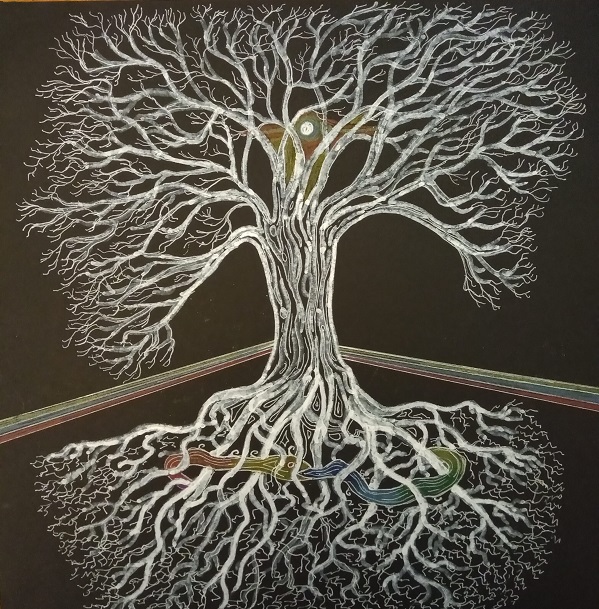
But the Ash Tree has an existence outside the biological. It is – and long has been – a symbol, a magical entity, a talisman. In Norse and Germanic mythologies it is Yggdrasil, the World Ash Tree. Its branches reach into and hold up the heavens; its roots delve deep into the dark caverns of the underworlds, where the serpent-dragon Nidhogg gnaws at its roots. Between the two lies everything we know, and much that we don’t. Three women, the Norns, sit below its mighty branches, tending the World Tree and spinning, spinning, spinning the fates of gods and humans.

The Tree of Life and the Tree of Knowledge are other expressions of Yggdrasil. Odin, father and chief of the Nordic pantheon, presents as a seriously flawed, doubtful and often misguided god. (To be fair, they all do.) Maybe that’s why he disguised himself as the Wanderer, with his wide-brimmed hat (echoed in the character of Gandalf in Lord of the Rings?) and ash staff cut from Yggdrasil, roaming the Earth in search of knowledge and enlightenment. Ultimately, the tale goes, Odin had to hang himself from the Tree, wounded by the ash spear, for nine days and nights, to find the wisdom to save humankind.

Should the Norns cease to care for Yggdrasil, or malevolent forces overtake it, like our blighted ash trees, it will die, and the rooster Gullinkambi will crow from its withering canopy, proclaiming Ragnarok – the Twilight of the Gods.

Will we save our earthly ash trees? Who are the gods whose twilight we would seek in return?

May 2021 bring a sea-change in our relationship with nature, may we all be safe, may Yggdrasil bear new shoots of hope, and may the ash tree survive.

The Duke of Bohemia Part 2

Photo by Johannes Rapprich on Pexels.com

Five minutes later, they left the great hall, passing the grumbling cooks, the supercilious kitchen cat  and the snoring guards, Vaclav pulling the laden sled of logs, wine and pots of cabbage, while Pavel carefully carried the meat and vegetables. There was no sign of Peter.

“Well, Pavel, has he gone home?”

Pavel shook his head, shivering miserably. “I think he’ll carry on along the forest fence to get all the blown down branches. It’s more sheltered that way, Sir.”

The duke nodded. “So, if we cut straight across the fields, we’ll get there first? Well young man, best foot forward. Quicker we walk, the less the wind will nip at our heels.”

On and on they plodded – not a great distance, but with deep snowdrifts and a howling wind which made progress slow. Pavel stumbled often, nearly falling with his load. The light began to fade, making the snow glow with a strange light. The duke puzzled how strange it was that he’d known nothing of the struggles of this old man who worked the fields for him. He wondered how many more were fighting to stay alive, when a stone’s throw away was Duke Vaclav in his castle, feasting every week and wrapped in furs. Why wasn’t I told? he asked himself, and heard another question come back: Did you really want to know?

The snow was falling again – harder, darting out of the darkening sky and blinding poor Pavel, hands numb with the cold and feet that battled with every step. Suddenly, he stumbled and fell into a huge drift, and cried out. Vaclav turned, and hurried back.

“What lad? What’s this? Tired out?”

“No, Sir,,,,but….it’s so cold, the wind is stronger and it’s getting dark.”

Vaclav laid gloved hands on the lad’s shoulders. “We’re nearly there, are we not? Think of Peter, who has to face this every winter’s day. Take my cloak – it’ll wrap round you twice. Oh -and stop trying to make your own tracks. Follow the sled runs, or walk in my footprints. Much less effort and it’ll save the snow running into your boots.

Pavel was encouraged by the duke’s kindness. “Gladly, sir!”

As they went on, Vaclav was careful to take smaller steps, so Pavel could save his strength by stepping in the duke’s prints. The page found the going far easier, and he began to feel curiously excited, even happy.

When they reached Peter’s dwelling, Vaclav’s eyes clouded with sadness as he saw the pitiful way pieces of old wood had been roped together to keep out the weather. Inside, the snow had drifted in and lay unmelted on the earth floor. In the corner, a rough fireplace stood, cold and empty. “First things first,” he said, “lets get the fire going!”

This was Pavel’s area of expertise, and soon a roaring blaze lit up the room. Vaclav swept out the melting snow and started scrubbing vegetables (a skill he’d always meant to learn), while Pavel hoisted the huge joint of meat above the fire to finish cooking. They found Peter’s cooking-pot and Vaclav fetched water. It was starting to boil, and the dumplings had just gone in, when the door opened.

“Who are you – and what are you doing in my home?” demanded the old man, dropping his burden of wood. As his eyes adjusted to the gloom, he recognised the Duke of Bohemia and fell stiffly to his knees in horror and puzzlement.

“Get up, Peter, please,” cried Vaclav, “goodness knows I should be the one on my knees, begging your forgiveness for my ignorance and selfishness. I may be rich, and some call me a king, but all my money and my power have not made me a better man than you.” And he handed the old peasant a mug of ruby wine.

“Wine?” spluttered Peter (who like all Bohemians was first and foremost a beer drinker), “so kind…but perhaps not on an empty stomach?”

“Then let us fill your belly first! Come sit by the fire and feast with us!”

So long into the evening, duke, page and peasant shared a meal, talking and laughing as if they were old friends. Peter told Vaclav of the lives of those who lived around the woods and fields of Bohemia, and Vaclav listened and suggested many ways in which he could help, starting with a new cottage for Peter after Epiphany.

And when the duke stood up to leave, and Pavel, dozing by the fire after all, scrambled to his feet, old Peter suddenly remembered that this was his lord and began to offer his gratitude and allegiance.

But Vaclav brushed his thanks aside. “I should be thanking you,” he said, “for you have given me far more than food or fire. Now I know that my fortunate birth doesn’t give me the right to wealth and comfort while my people starve. And I’ve feasted with kings and princesses and great warriors, but I have never enjoyed a meal so much as I did this one tonight!”

The wind had fallen and the sky had cleared. The snow lay deep, crisp and even, and the air was full of the freshness of midwinter. In the velvet black sky, a single shimmering star shone down upon a silent earth, lighting the way for Pavel and Vaclav as they made their journey home.

Photo by tixler.com on Pexels.com

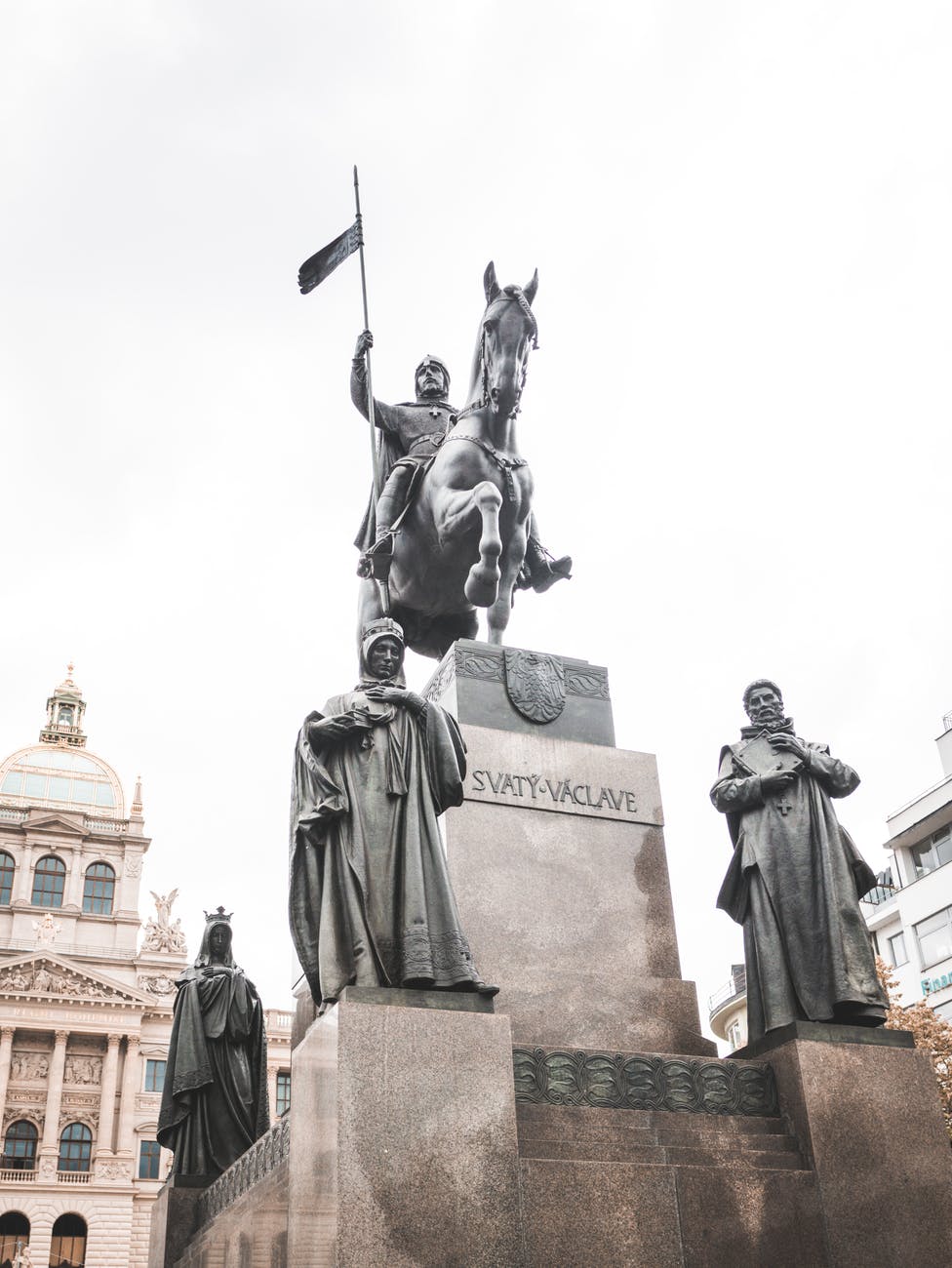
Vaclav (aka Wenceslas) was a real person, Duke of Bohemia 921-935 A.D. They were murderous times, and he was stabbed to death in a plot in which his own brother was implicated. He was revered for his courage, piety – and not least his personally-executed deeds of compassion to the poor of his dukedom. He is considered the patron saint of the Czech Republic, and his statue in the famous “rectangular square” in Prague named after him, has presided over tragedy and joy, winter and spring again.

The Duke of Bohemia: Part 1

A Story for Christmas, that may be Familiar

Photo by SHAHBAZ ZAMAN on Pexels.com

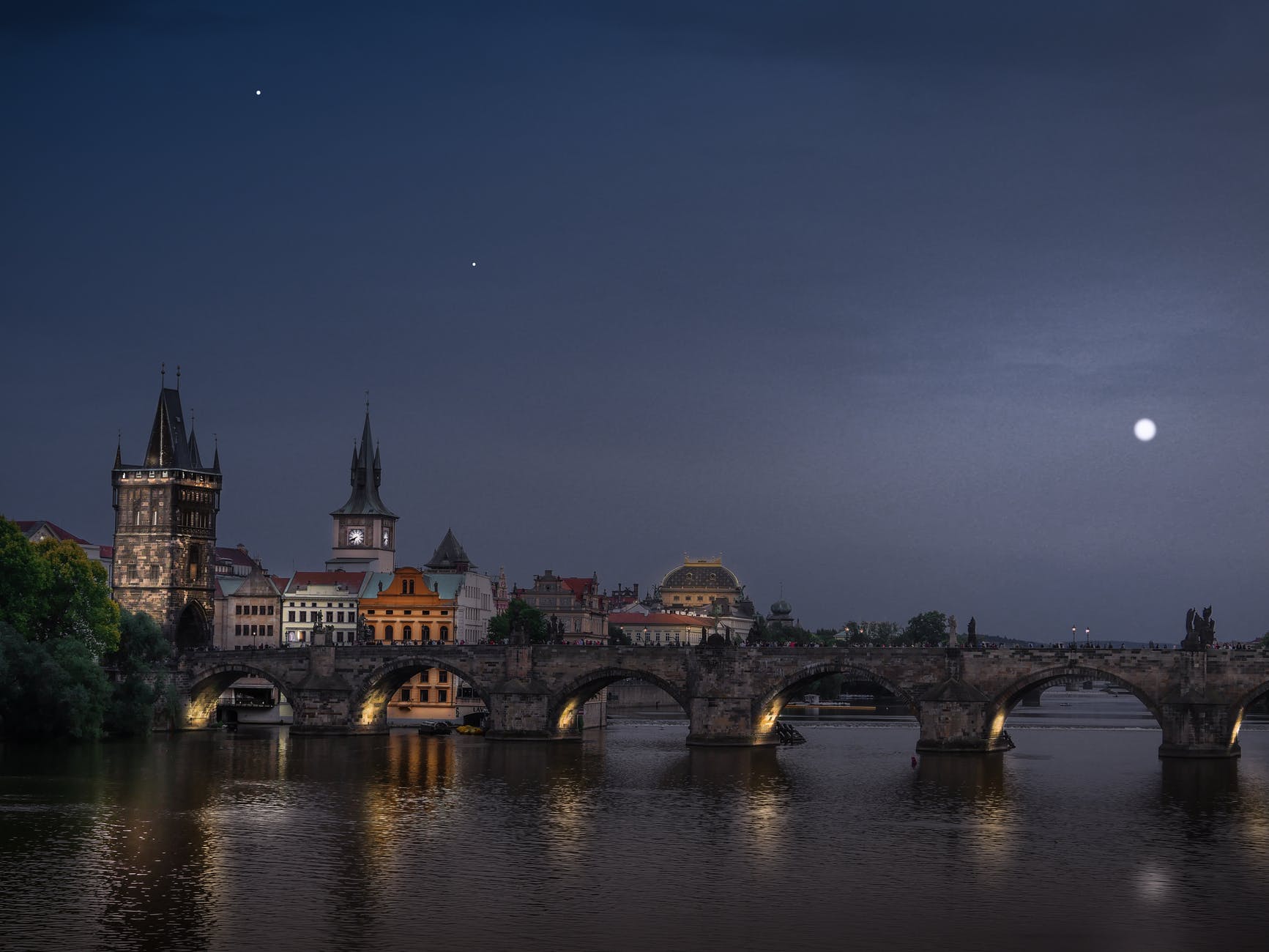
In the year 938AD, it was, as usual, a harsh winter in the Dukedom of Bohemia. Roads into and out of Prague were treacherous with ice, and snow lay deep on the sides of Petrin Hill. Vaclav, Duke of Bohemia, gazed gloomily from the window of the castle, down to Vltava, flowing icily through the town. It was a feast day, St. Stephen’s, and Vaclav could already detect the mouth-watering smells of roasting pork and steaming vegetables rising up from the kitchens.

“Wine,” he muttered, “something red, rich and warming”. He called for his page.

“Here, lord,” came a sleepy-sounding voice from a back room, and a very young man appeared, rubbing his eyes.

“Asleep again Pavel? Cold getting to you too, is it? Run and fetch us a flagon of red, and I might let you have a sip.”

Pavel slipped off, and Vaclav turned his eyes across to Petrin, where he doubted the monks would be very happy in their prayers today. Toasting their toes in the warming house, if they’ve any sense, he thought. Thus, he was surprised – and not a little indignant – to glimpse a small, dark figure, bent against the drifting snow, skirting the edge of the woods that bounded monastic lands.

“Pavel,” he said to the returning page, “Look out there. Is that man insane?”

Pavel gravely followed his masters gaze, then gasped in an astonishment that seemed to Vaclav not a little exaggerated. “My Lord!” he cried in righteous indignation, “a trespasser! What a nerve! How dare he? I’ll get onto it right away, I’ll tell the guards to go and arrest…..”

“No, no, boy, don’t get your tunic in a twist! What’s it to me if he tramples a bit of grass? But do you think he’s in his right mind, going out in this weather?”

“Why, sir?”

“Well, would you be out there today?”

“Certainly not, your lordship, give me a warm fire any day to snooze by. I expect that’s what old Peter is aiming for too.”

“Old Peter? You know him?”

“I know of him, sir. He sometimes helps in the fields in summer.”

“Does he now? So why is he not tucked up by his fire today?”

“He’ll not have one, unless he manages to find a bit of firewood. Old Peter never has wood, he can’t afford it.”

Vaclav peered out again. “Why yes, he seems to have a wood-carrier on his shoulders. But not much in it – the guards will have taken all the wood there.”

“Yes, sir. For the castle,” Pavel put in quietly. Vaclav looked suspiciously at him, but the page’s face was blank.

“Where’s this man’s house then, Pavel?”

“House? He doesn’t exactly have a house, sir…”

“Doesn’t have a house?? What does he have, for heaven’s sake?”

Pavel considered. “Well, there’s a sort of cave, an overhang, near the falls of St Agnes, at the back of Petrin. Peter built a sort of cabin onto the front, and….”

“Do you mean to tell me, boy, that even in midwinter, this man not only has no fire, but scarcely a shelter? What about food? Don’t tell me the man doesn’t eat!”

“Not much, your Lordship. Old Peter doesn’t have much of anything.” They gazed silently out to where the old man struggled against the snow, stumbling in drifts, a pitiful bag of wet, thin branches on his shoulders.

Vaclav silently paced the room, a look of worried amazement on his face. Finally, he turned and seized the page by the shoulders.

“Well today he’ll have something,” he said quietly, “today this man will enjoy St. Stephen’s feast with us. First, fetch that joint of pork I can smell – and some sausages and dumplings.”

Pavel’s face fell, for he usually enjoyed the leftovers from a roast joint himself. But he dared not argue with the determined-looking duke, and went for the food, to the rage and astonishment of the cook.

“Good!” exclaimed Vaclav. “Now, vegetables – a sack of turnips and carrots, and enough jars of pickled cabbage to last a week. Oh- yes – better get a sled ready”. While Pavel busied himself with this task, Vaclav tied up two large bundles of the dry, split logs that were waiting by his fireside.

“There now,” he muttered, that’s all I think.”

“Excuse me sir,” piped up the page. “but what’s he going to drink?”

“Didn’t you say he lives by the waterside?”

“Oh yes. Of course, sir. A peasant couldn’t drink wine like a king…or a duke…” Pavel looked very humble.

“I see,” said Vaclav, screwing up his eyes, “make me feel worse, why don’t you. Alright – go to the cellar, and roll out a cask of the finest port wine onto the sled.

Pavel raced to obey, and by the time he returned, the Duke of Bohemia was wearing his thickest, fur lined cloak, stoutly belted at the waist, and an enormous furry hat that covered his ears and strapped under his chin. The page gasped. “Are you…..”

“Going to deliver? Of course we are! I wouldn’t trust the guards not to scoff the lot the second they got out of the gate!”

“We, my lord?”

“Of course, “we”…. I couldn’t drag and carry all this lot by myself, could I? It’s your lucky day out!”

Photo by SHAHBAZ ZAMAN on Pexels.com

The story will be concluded on December 26th, Boxing Day, or, appropriately enough, the Feast of St. Stephen.

By Riverside to Denmarkfield

Photo by Pixabay on Pexels.com

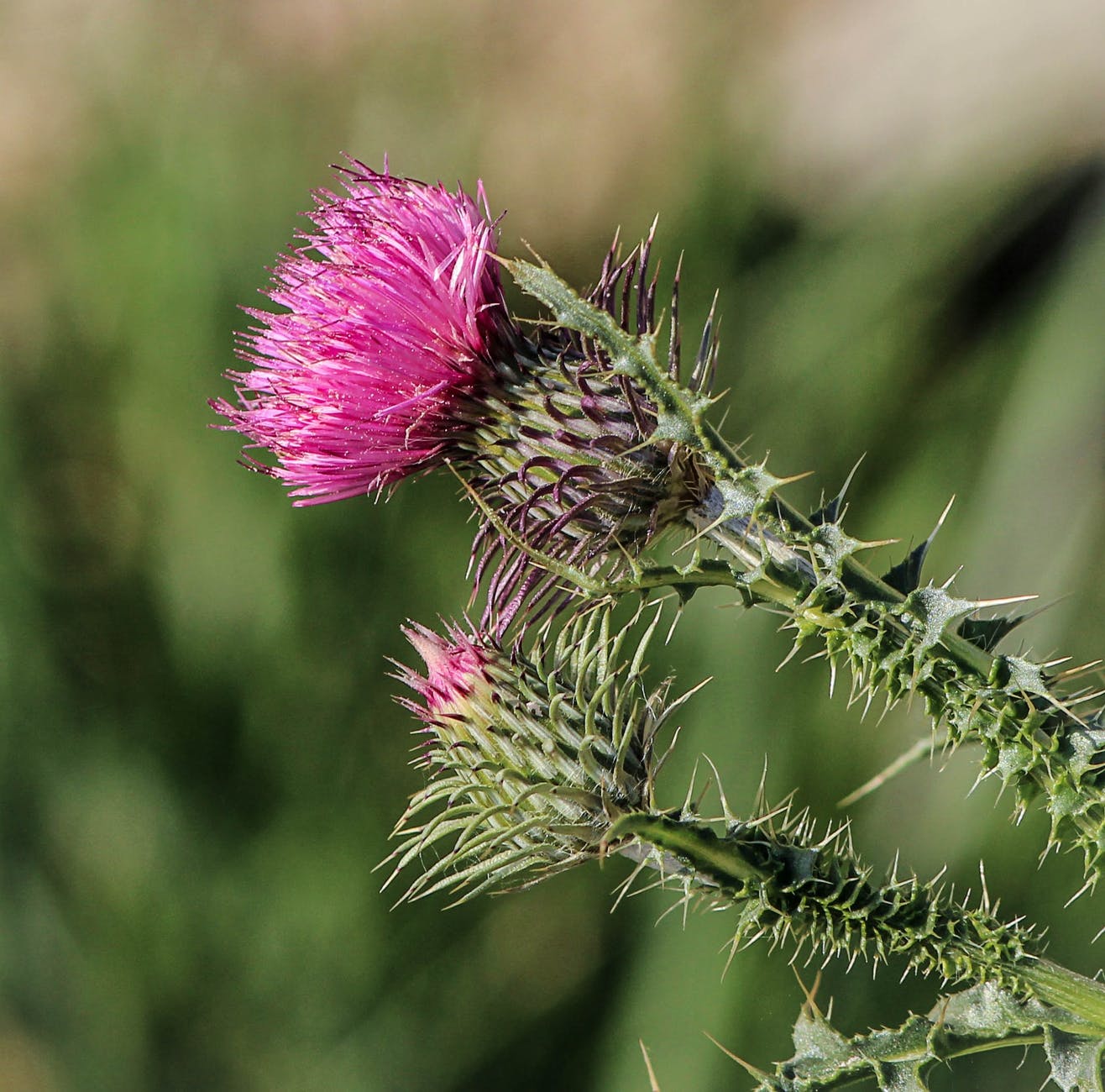
There’s this story in Scottish folklore: A king (Scottish or Pictish) and his army were engaged in a long campaign to repel the Danish invaders who were terrorising the east coast. The Vikings knew that the only way to gain free access to the rich breadbasket lands and the treasures of the religious houses was to defeat the king’s army, which was camped, exhausted, by a river, thinking itself safe for at least a night’s sleep. The Viking spies located the army. and to gain advantage by stealth and secrecy, the warriors began to creep up on foot, swords drawn, and surround them. Thinking their boots made too much noise, the leader ordered his men to go barefoot. Their goal was in sight, until a skull-splitting screech and an unrepeatable Scandinavian oath filled the air. One of the Vikings had trodden on a well-armed Spear Thistle. The kings army were thus warned, and sprang to action to repel the invaders. Since when, the thistle has always been the emblem of Scotland.

*****************************

Last Sunday was the first of the seriously cold days of this winter. It will get colder, but we will have adjusted to it. Nevertheless,it was still warmer outside than in our currently challenged-in-the-heating-department house, so we decided to go for a walk to warm up.

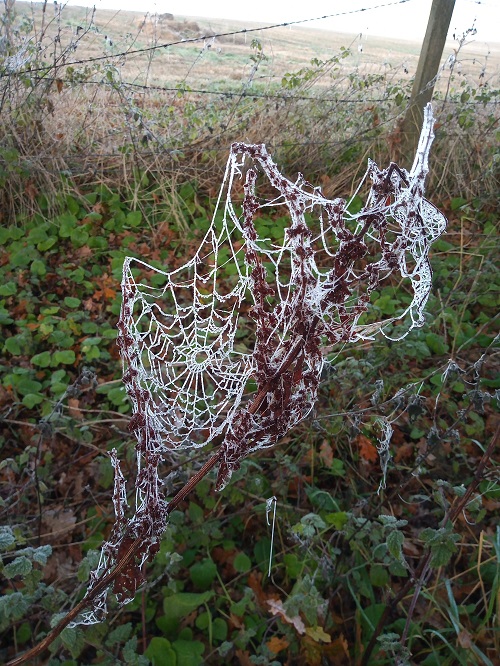
As we sauntered along the footpath from Luncarty to the River Tay, almost a hollow lane, beads of frost and frozen droplets of moisture clung to any material they encountered. Ephemeral, discarded threads pf spider gossamer waved like chilly bunting. Touch one, and it evaporated. Frizzy, curled husks of ice-tipped willow herb seedheads towered as if frozen.

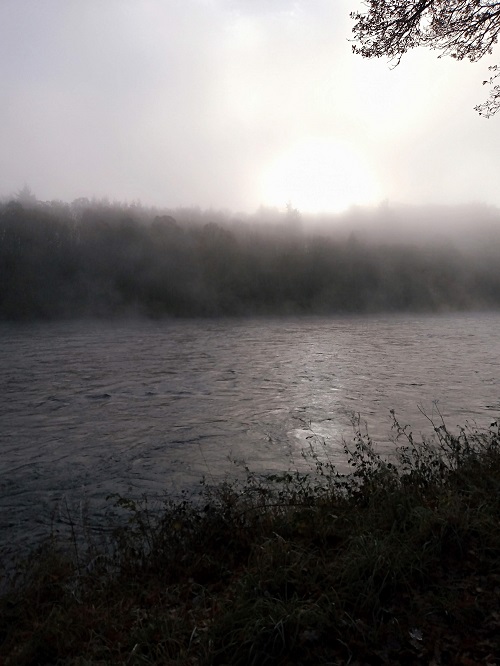
A haar descended. Generally the haar creeps upriver from Perth; today it seemed to come from all directions. Its gloom, exacerbated by the knowledge that somewhere behind it the sun is weakly shining, has the coldest feel imaginable. With wreaths of steam-like fog and mist flowing above the surface, the Tay resembled an Icelandic hot spring.

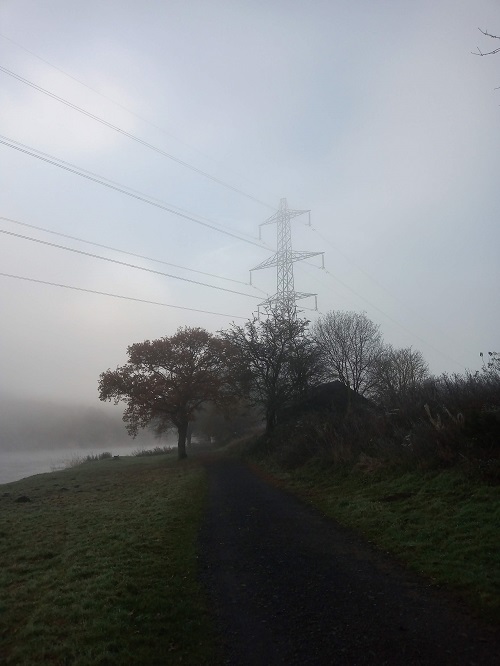
The river path proper starts at the site of the old Waulkmill Chain Ferry – once the only convenient way to cross from one side to the other. It closed as late as 1964, but I think this must have been a crossing point for many centuries before the chain ferry and pontoons were in operation. We headed in the direction of Perth City, watching gigantic pylons loom up from the cold dense air, bringing to mind the Martians from H.G.Wells’ War of the Worlds.

And then we came to the derelict bulk of old buildings beside Denmarkfield Farm, and the unmarked stone that stands in the weedy, thistle-infested ground just above the river. Here, locals say, is the site of that momentous battle that propelled the Scots thistle to prominence, and the stone – called the King’s Stone – marks the spot. That’s why the place, and later the farm, have been called Denmarkfield ever since.

There are plans to build yet another road, the Cross Tay Link Road, from here to Scone on the east bank. The land around the King’s Stone (actually far older than the 10th century) is under a compulsory purchase order. As people speed over the new bridge that will cross the river, congratulating themselves on the ease and convenience, will anyone remember the Waulkmill ferryman, the king who slept by the river, or the Viking with a sore foot?

The King’s Stone

Exits, Entrances and Crossroads

A post for West Stormont Woodland Group

Is there an artist in the wood?

There is, really, only one easy way into and out of Five Mile Wood – at least in October. That’s from the south end on the Stanley to New Mill cottages road – currently a bit of a no man’s land thanks to the dualling of the A9. Here the track is clear, broad, made for forestry vehicles – and you can even park! At the north end, there is also the old straight track I’ve written about before, from South Barns and beyond that, with a diversion to Bankfoot. Follow the line of this track and it will take you to Dunkeld, once a mighty ecclesiastical seat. I learned last week that from Dunkeld to the wood it’s five miles – hence the name.

I wonder what happened to One, Two, Three and Four Mile Woods?

But once through the gate at the end of the straight track, the going is tricky. At this time of year, wellies are essential, thanks to the legacy of ditches, boggy ground and waterlogging that followed the felling of the trees here. When did it become the norm for forestry practice to leave such a mess? However, with care, agility and thanks to the enterprising actions of previous walkers using felled timber to ford the worst ditches, you can get to the main path that circles the wood.

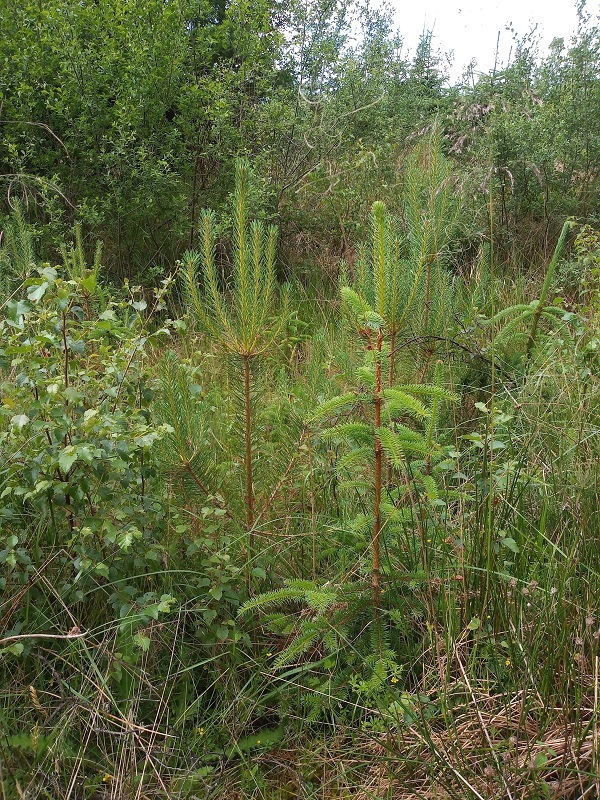
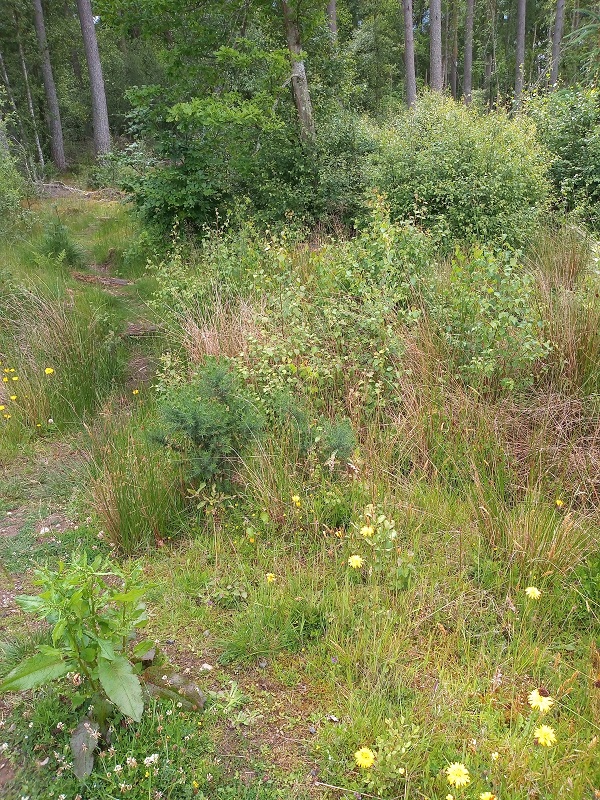
Deer, birds and other animals have their own paths off into the undergrowth, but for humans, the area where trees were felled before the Commission ceased to work are becoming impenetrable, Gorse crowds thickly on either side of the track, requiring constant maintenance to keep it from meeting in the middle. Self-seeded birch, larch, Scots pine and willow are all growing well, but there are no paths between them in this baby wood. Then there are the trackside deep ditches, another legacy of forest drainage operations, not impossible to cross but very off-putting.

So walkers, joggers and cyclists stick to the circular path and leave the wood by the way they came. Someone on Trip Advisor found the wood disappointing, and the circular track through felled forest boring. But I wonder. We undervalue landscapes that aren’t “finished” – such as newly planted gardens and self-seeded woods at the start of succession. The prettiest part of Five Mile Wood may be the winding bike-track under mature trees which shoots off from the main path near the south entrance, but the burgeoning growth of pioneer vegetation in the centre – the “gap site” as some call it – is vibrant with hidden life, resounding with the flickering flight of small birds and bubbling with amphibians and aquatic life in the ponds and ditches created for drainage. Even the nuisance gorse is a rich nectar source for pollinators and home, each bush, to thousands of spiders and other invertebrates. It’s not what we are schooled to believe beautiful, but in terms of ecology and resilience, it is every bit as valid as ancient oak climax woodland. Not all landscapes can be measured in human terms – though the amount of carbon sequestered by rapidly-growing trees and shrubs will be enormous and far greater than that in a carefully-planned, gardenesque setting. And humans need carbon sinks as much as every other life form.

People like to have choices, though. Choices about where to enter the wood – entrance points close to all the settlements that lie within walking distance. New tracks to follow, new routes to explore, the chance to come out into the sunshine at a different point from where you went in. Paths that cross, diversions, sidetracks, viewpoints. I don’t think they should be the main focus of the wood, or dominate the richness of undisturbed wildlife in the centre. There must be places that are no-go areas for humans, where nature can get on with it, and prove, as ever, that she will make a better job of it than we can.

And then, let our tracks meet and link wood to wood, as we learn to walk more, and be more in nature and less apart from it. Then we will lose our expectations of park furniture and entertainment, and realise the woods aren’t, in the end, all about us.

Through a Gap in a Wall

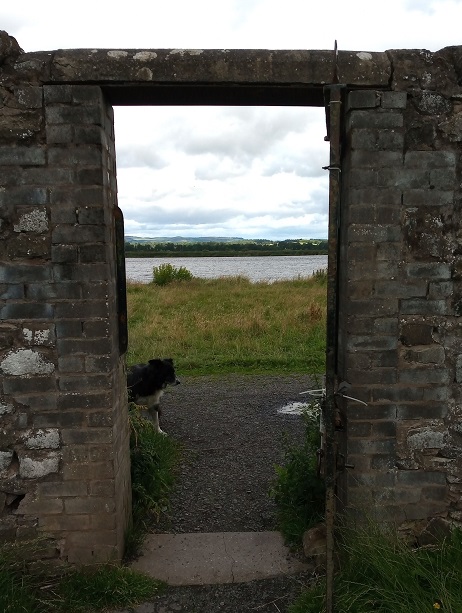
Through a gap in the wall, the horizontal lines of the Firth, flat islands looking half-submerged, and the frown of long lines of reedbeds across the water, are drawn like smears of dirt below a layered sky.

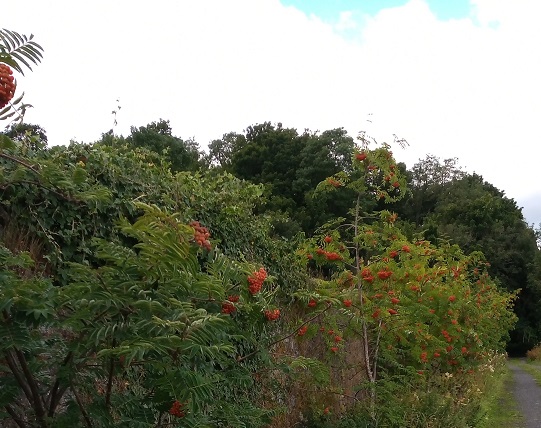
Pass through to the other side and the world has shifted, as though the rift faults that made this landscape just happened. The air is clamorous, the sky immense. In a town that arose among the orchards of an ancient abbey, the wild fruits of native Rowan are planted on the waterside of the wall.

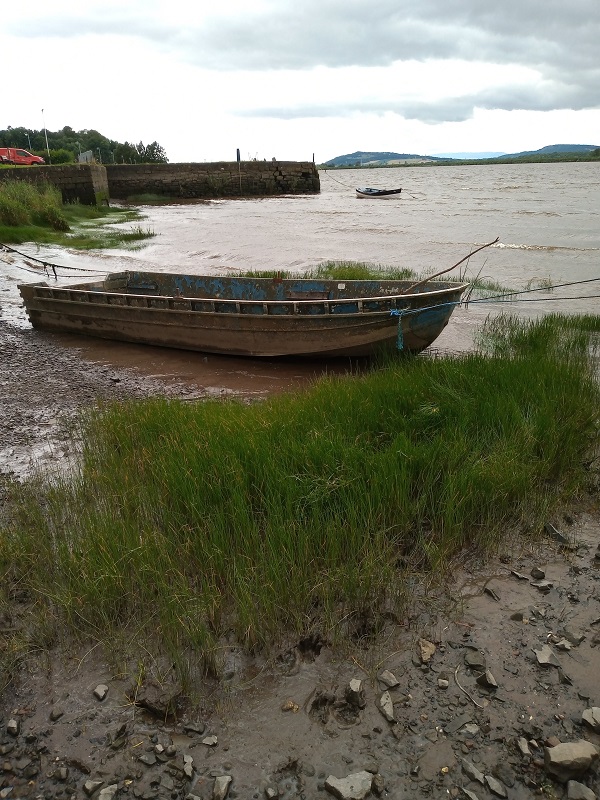
By the slipway, the silver and gold of pungent Mugwort and Tansy give way to outsized rushes the size of small trees. Among them hide bobbing boats, lapped by the high tide. Listen to the clicking and fretting of small wind-waves on the stone wall of the jetty. From here, boats once plied a busy trade up and down river to Perth or Dundee, and across to ancient Port Allen in the Carse of Gowrie. Did they trade grain for Fife coal? Carse apples like the Port Allen Russet for Newburgh plums and Lindores pears? Did the monks from Lindores Abbey and their fellows at Grange in the Carse send each other scions and grafted trees?

Follow the path east, past salmon high and dry and leaping above mown grass, beside inaccessible muddy inlets bordered by reeds and willows and deep cuts where the old mill-stream threads unseen but laughing to the Tay. Vegetation is exuberant, chaotic, oversized and riotous. Great Hairy Willow Herb towers over the umbrella-sized discs of Butterbur leaves; nettle and insidious bindweed tangle through, the bindweed erupting in white trumpets of triumph.

Ponder the great bear with her raggedy staff on the hill above the town. It is not as old as you think, but is rooted in history, via a stone. How does the symbol of the powerful Warwick family (best known as mediaeval kingmakers in that other country, England) fit into this landscape? Was the first Earl of Warwick, Henry de Newburgh, really from this place? Or is it there because William the Lion of Scotland gave the title to his brother David – the founder of Lindores Abbey?

And the stone – the Bear Stone – at the centre of the story – where is it now? What did it mark or measure?

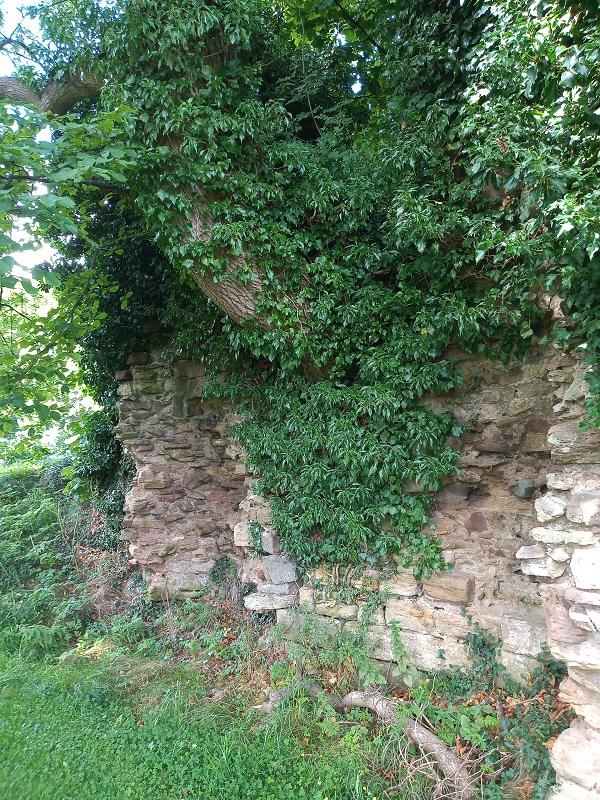
In the cool quiet of the Abbey ruins, trees and ivy hold up the remnants of walls. Old walls support vegetation and keep their secrets. Tread softly, slowly, let your thoughts be measured, as the sun moves the shadows across grass and stone. Be still. Wait. Centuries of contemplation hang heavy, and even the bees and insects of summer are subdued. Move on, quietly.

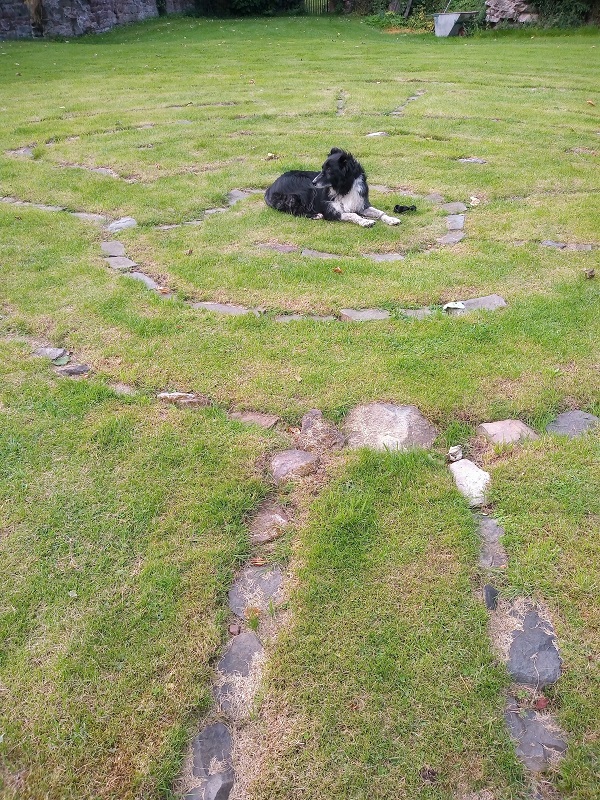
At the centre of the ruins, there is a Cretan labyrinth. Does it seem out of place? Follow its path – there is only one way – and do not cheat by stepping over the boundaries. Yes, you can see the centre, but you can also see there is nothing to gain when you get there. Just as when the monks of old walked their cloister, it is the journey taken, not the destination that matters.

When you leave, and come again into the town built on orchards, the world will shift again.

The Scent of Bracken

I was nine or ten when I first experienced both the smell of bracken and the nation that is Scotland. It was late July, the start of Glasgow Fair Fortnight, and therefore my parents must have taken me out of my London primary school for two weeks to pack me on a plane to Glasgow, for a fortnight’s camping holiday with my big sister Pat and her boyfriend. It was my first camping trip, too. It took me all the way up the west coast to Cape Wrath and literally changed my life.

My first evening in Scotland was memorable for sitting on a wall eating fish suppers. My first full day began with a curious morning at Pat’s work, where little was done beyond desk-tidying and paper aeroplane competitions. Then, the hooter went, tools were downed, and everybody went on holiday. Northwards first, in the Mini, me surrounded by camping gear in the back seat. We stopped by Loch Garry the first night, off a dead-end tiny road, and camped in a clearing in the bracken by the loch.

Loch Garry was my introduction to midgies. Naively, I thought they were all part of the adventure. I chattered away in excitement behind the mosquito coils, breathing in the strange, new scent from the bracken that for me would ever more be the scent of Scotland. Eventually, Pat interrupted me.

“Margaret, what time do you think it is?”

“Umm, maybe half past eight?” I replied hopefully, knowing my bedtime was at nine during holidays. I wanted to stay up a little longer.

Pat showed me her watch. It was twenty past eleven. Summer in Scotland, long days, even in July. I was persuaded into my all-too-exciting sleeping bag, and eventually fell asleep, though I never saw it get dark. And woke, next morning, to the smell of bracken once again.

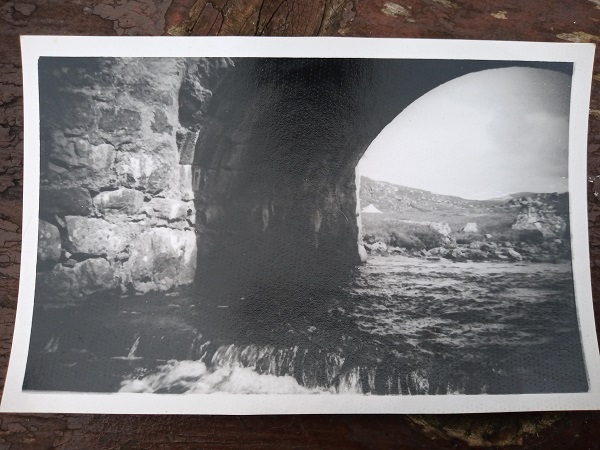
We meandered north and west for nearly two weeks, camping wild up tracks that led from narrow, grass-centred, barely-surfaced roads to the ruins of long depopulated clachans and farmsteads. Sometimes we stayed under bridges, or on beach-paths up which seaweed was once hauled for fields now buried in bracken, their stone walls mere crumbling ridges in the grass. Once, we asked permission from an isolated farm, where the farmer’s wife took the cow for an evening walk each day. We filled our water bottles there, and tried to buy, but were always given, raw milk from the cow.

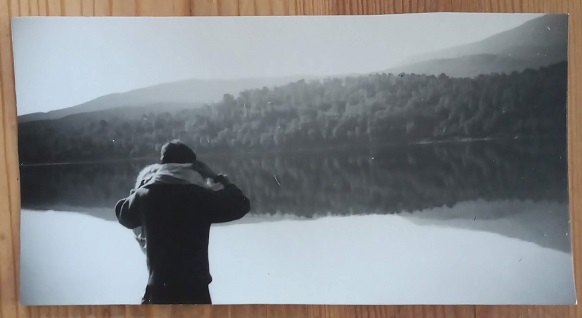
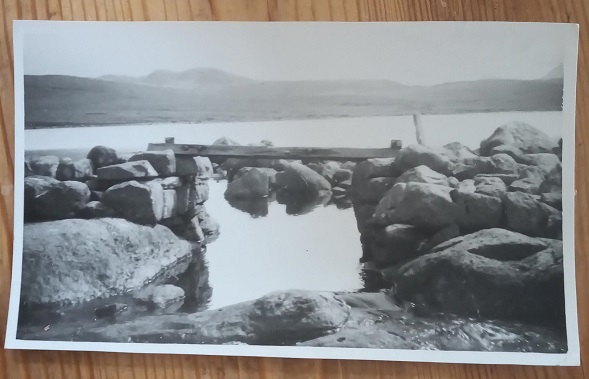
I trailed after my sister by burns and over cliffs, taking bad photos with my precious box camera, looking for eagles, dizzied by sea-stacks, drinking in a world I couldn’t have imagined from my London suburb. Ullapool, Mellon Udrigle, Achiltibuie, Lochinver, Stoer, Kinlochbervie, Oldshoremore – place names which became indelible in my brain. And the magical mountains of Assynt: Stac Pollaidh the “petrified hedgehog”, Suilven, Canisp, Quinag…. I had not known there was this.

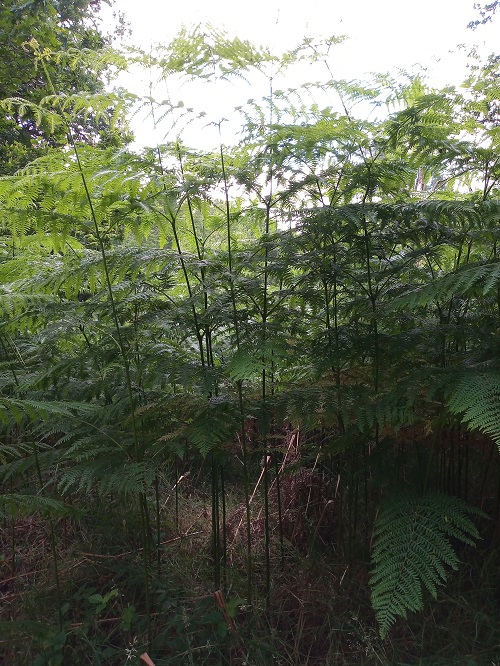
As I inhaled the scents of bracken, I discovered its practical uses. Pitch your tent over it, and it made for a comfortable sleep if your air-bed leaked its air out every night as mine did. Bracken was an indicator plant for dry ground when crossing terrifying bogs (as were heather and, to an extent, rushes. Bog cotton and moss was to be avoided). And being a small child, the bracken generally towered over me, yet I could find paths deep into it’s forest, to child-sized clearings, for private pees or just to hide.

I already knew, from my uniquely progressive and brilliant Scottish primary school teacher, more about Scotland than the average English adult does today. I knew of the Clearances, the Wars of Independence, Burns’ poems and (reluctantly) Scottish Country Dancing. What I learned that fortnight was not facts. It was the country itself, sights, sounds and weather, the star-filled nights and the mists that clung in the whispering air; the colour of the rain; the beauty, the sorrow and the joy. I was never the same again. Although I muttered crossly to myself about long walks with wet feet, and the sheer copiousness of uphill tracks, I was captured. Thereafter, holidays with my parents sitting on crowded beaches in southern England, driving out to bustling “beauty spots” and picnics on the side of the road, were never the same. To their credit, mum and dad realised it, and did their best to incorporate more “adventure” into our trips.

But it wasn’t adventure I craved. I’ve never been very adventurous. It was the scent of bracken.

It was the scent of Scotland.

Thank you.