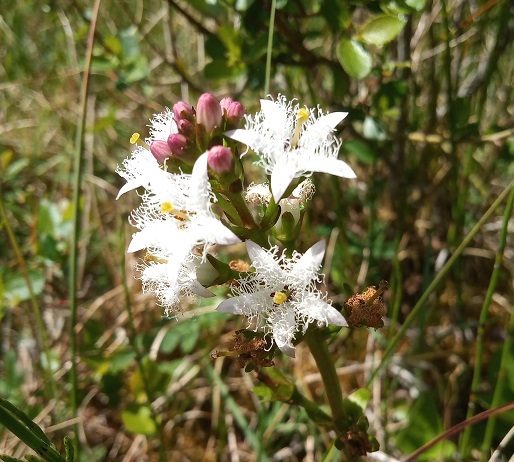
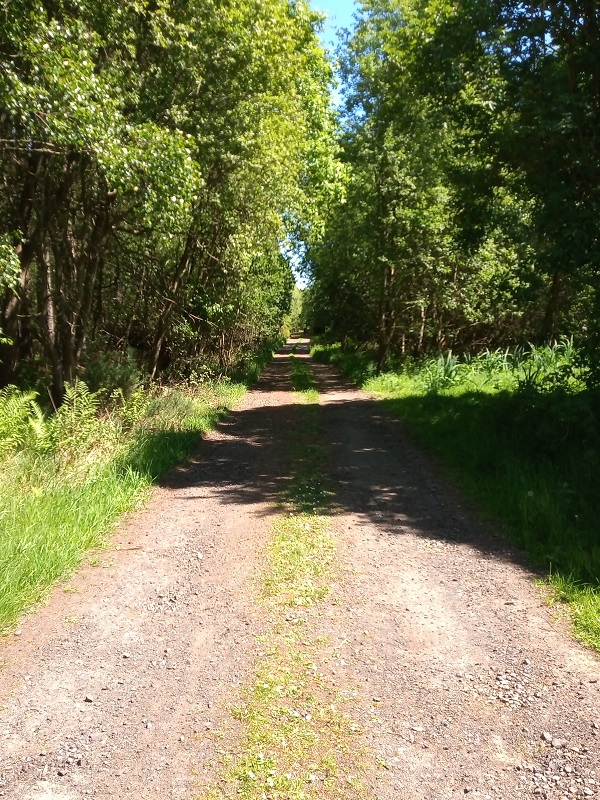
Through a Gap in a Wall

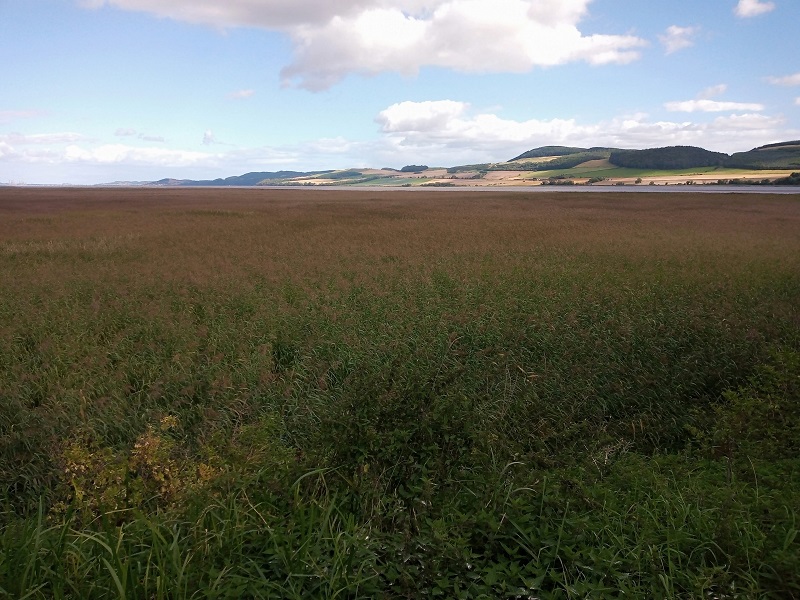
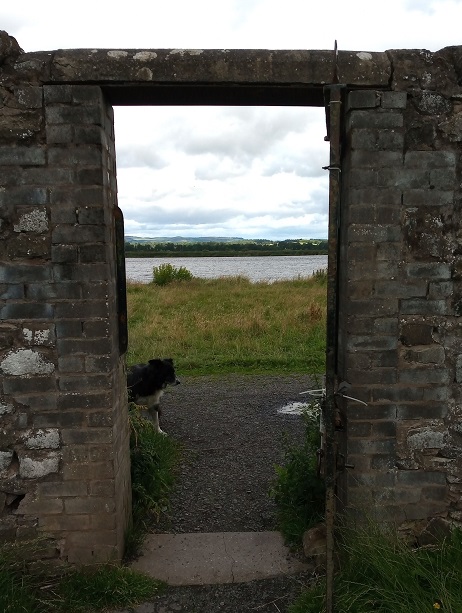
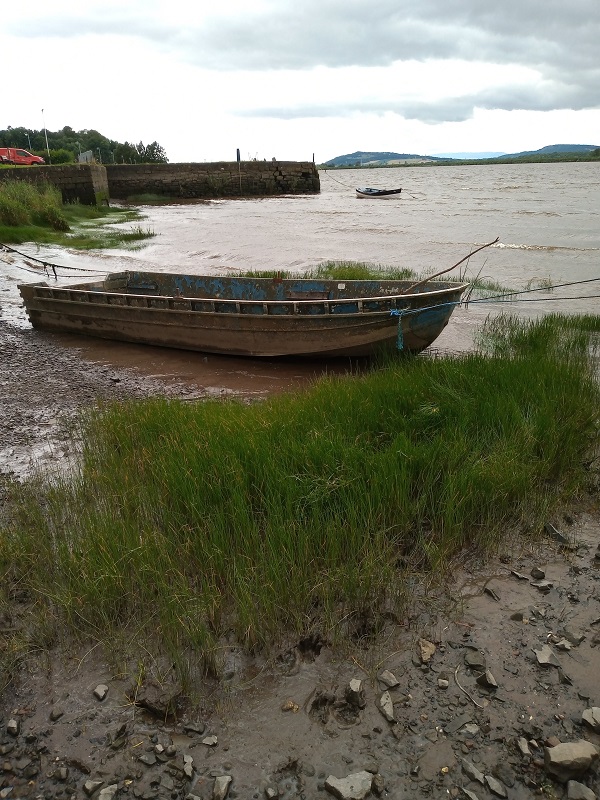
Through a gap in the wall, the horizontal lines of the Firth, flat islands looking half-submerged, and the frown of long lines of reedbeds across the water, are drawn like smears of dirt below a layered sky.

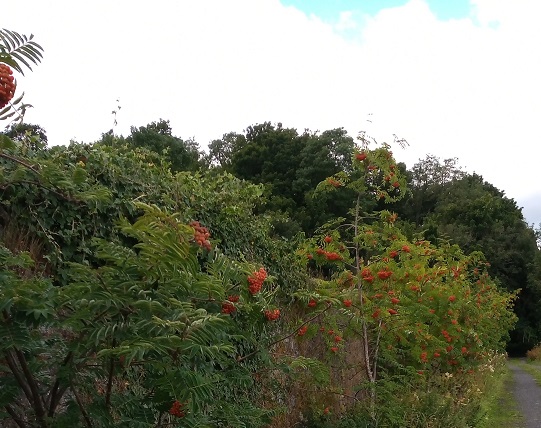
Pass through to the other side and the world has shifted, as though the rift faults that made this landscape just happened. The air is clamorous, the sky immense. In a town that arose among the orchards of an ancient abbey, the wild fruits of native Rowan are planted on the waterside of the wall.

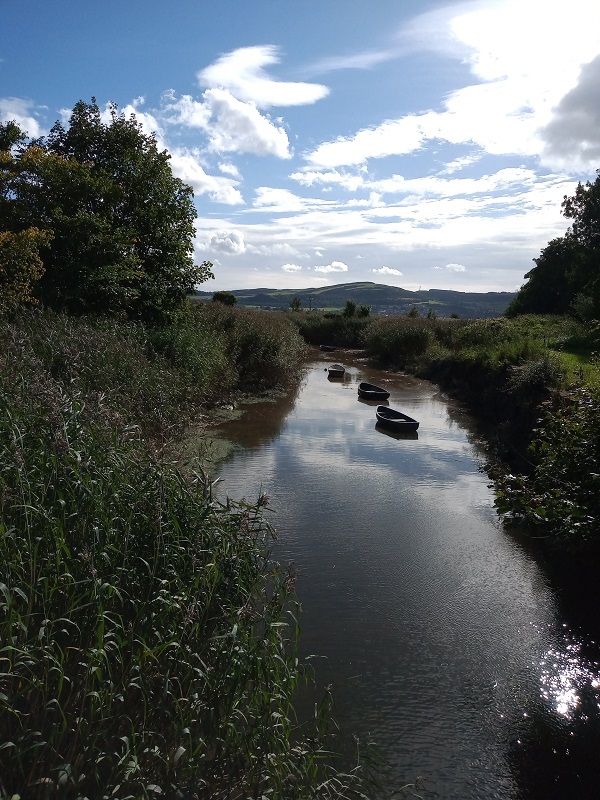
By the slipway, the silver and gold of pungent Mugwort and Tansy give way to outsized rushes the size of small trees. Among them hide bobbing boats, lapped by the high tide. Listen to the clicking and fretting of small wind-waves on the stone wall of the jetty. From here, boats once plied a busy trade up and down river to Perth or Dundee, and across to ancient Port Allen in the Carse of Gowrie. Did they trade grain for Fife coal? Carse apples like the Port Allen Russet for Newburgh plums and Lindores pears? Did the monks from Lindores Abbey and their fellows at Grange in the Carse send each other scions and grafted trees?

Follow the path east, past salmon high and dry and leaping above mown grass, beside inaccessible muddy inlets bordered by reeds and willows and deep cuts where the old mill-stream threads unseen but laughing to the Tay. Vegetation is exuberant, chaotic, oversized and riotous. Great Hairy Willow Herb towers over the umbrella-sized discs of Butterbur leaves; nettle and insidious bindweed tangle through, the bindweed erupting in white trumpets of triumph.

Ponder the great bear with her raggedy staff on the hill above the town. It is not as old as you think, but is rooted in history, via a stone. How does the symbol of the powerful Warwick family (best known as mediaeval kingmakers in that other country, England) fit into this landscape? Was the first Earl of Warwick, Henry de Newburgh, really from this place? Or is it there because William the Lion of Scotland gave the title to his brother David – the founder of Lindores Abbey?

And the stone – the Bear Stone – at the centre of the story – where is it now? What did it mark or measure?

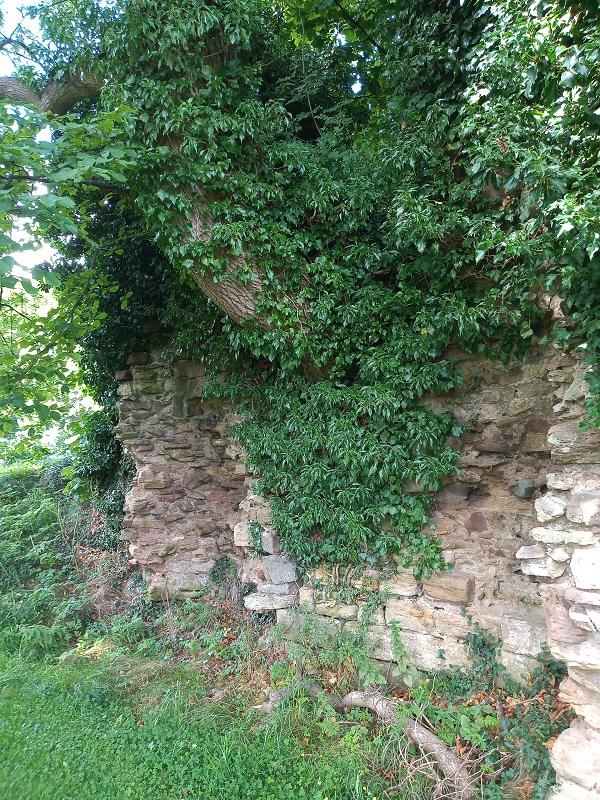
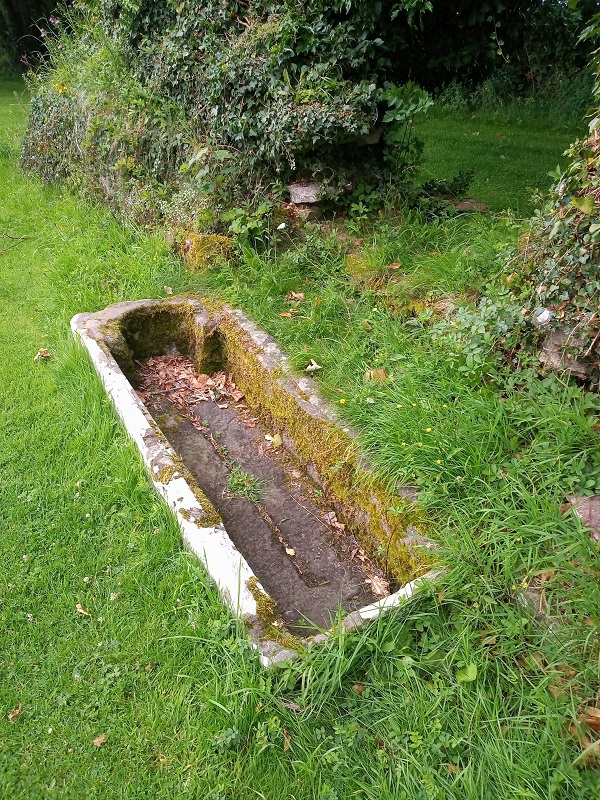
In the cool quiet of the Abbey ruins, trees and ivy hold up the remnants of walls. Old walls support vegetation and keep their secrets. Tread softly, slowly, let your thoughts be measured, as the sun moves the shadows across grass and stone. Be still. Wait. Centuries of contemplation hang heavy, and even the bees and insects of summer are subdued. Move on, quietly.

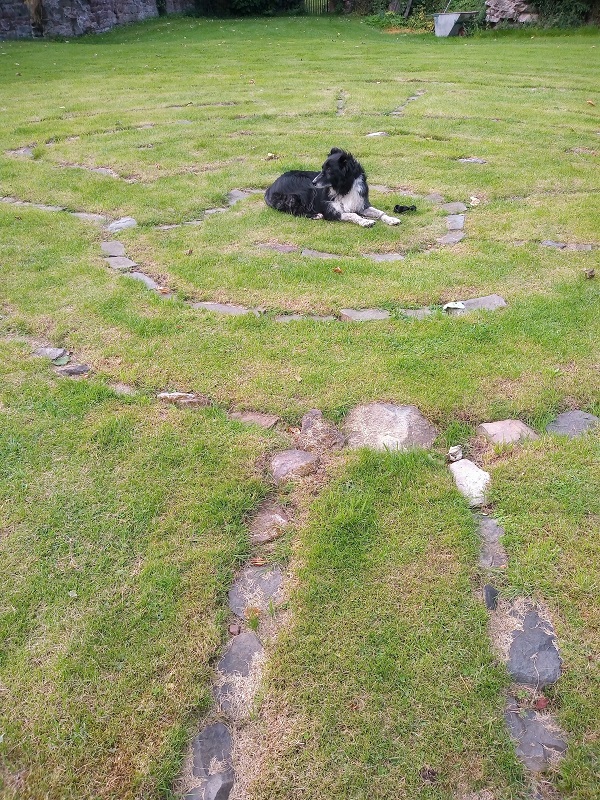
At the centre of the ruins, there is a Cretan labyrinth. Does it seem out of place? Follow its path – there is only one way – and do not cheat by stepping over the boundaries. Yes, you can see the centre, but you can also see there is nothing to gain when you get there. Just as when the monks of old walked their cloister, it is the journey taken, not the destination that matters.

When you leave, and come again into the town built on orchards, the world will shift again.

The Scent of Bracken

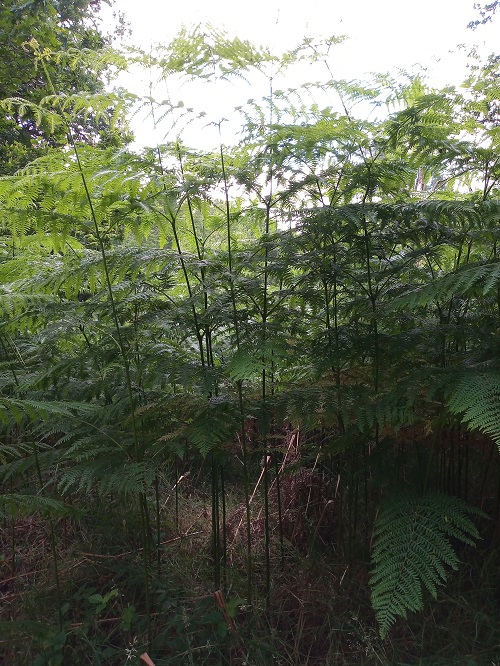
I was nine or ten when I first experienced both the smell of bracken and the nation that is Scotland. It was late July, the start of Glasgow Fair Fortnight, and therefore my parents must have taken me out of my London primary school for two weeks to pack me on a plane to Glasgow, for a fortnight’s camping holiday with my big sister Pat and her boyfriend. It was my first camping trip, too. It took me all the way up the west coast to Cape Wrath and literally changed my life.

My first evening in Scotland was memorable for sitting on a wall eating fish suppers. My first full day began with a curious morning at Pat’s work, where little was done beyond desk-tidying and paper aeroplane competitions. Then, the hooter went, tools were downed, and everybody went on holiday. Northwards first, in the Mini, me surrounded by camping gear in the back seat. We stopped by Loch Garry the first night, off a dead-end tiny road, and camped in a clearing in the bracken by the loch.

Loch Garry was my introduction to midgies. Naively, I thought they were all part of the adventure. I chattered away in excitement behind the mosquito coils, breathing in the strange, new scent from the bracken that for me would ever more be the scent of Scotland. Eventually, Pat interrupted me.

“Margaret, what time do you think it is?”

“Umm, maybe half past eight?” I replied hopefully, knowing my bedtime was at nine during holidays. I wanted to stay up a little longer.

Pat showed me her watch. It was twenty past eleven. Summer in Scotland, long days, even in July. I was persuaded into my all-too-exciting sleeping bag, and eventually fell asleep, though I never saw it get dark. And woke, next morning, to the smell of bracken once again.

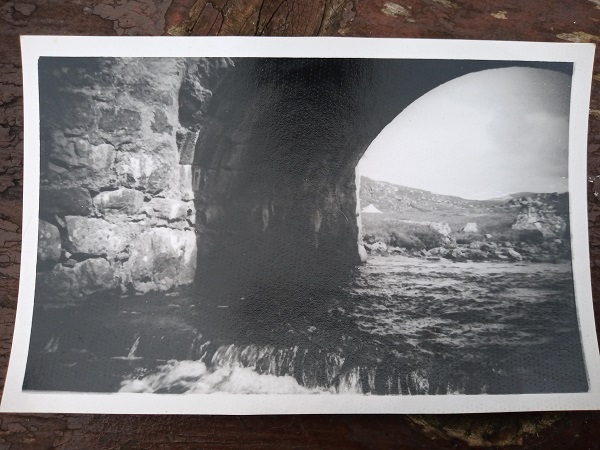
We meandered north and west for nearly two weeks, camping wild up tracks that led from narrow, grass-centred, barely-surfaced roads to the ruins of long depopulated clachans and farmsteads. Sometimes we stayed under bridges, or on beach-paths up which seaweed was once hauled for fields now buried in bracken, their stone walls mere crumbling ridges in the grass. Once, we asked permission from an isolated farm, where the farmer’s wife took the cow for an evening walk each day. We filled our water bottles there, and tried to buy, but were always given, raw milk from the cow.

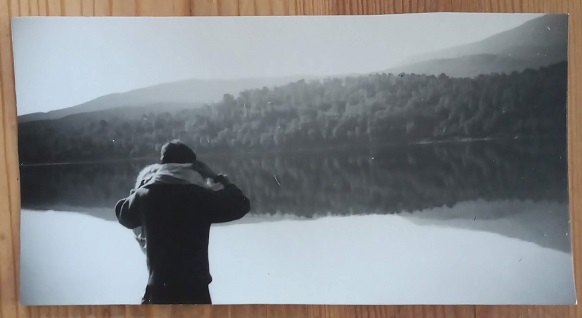
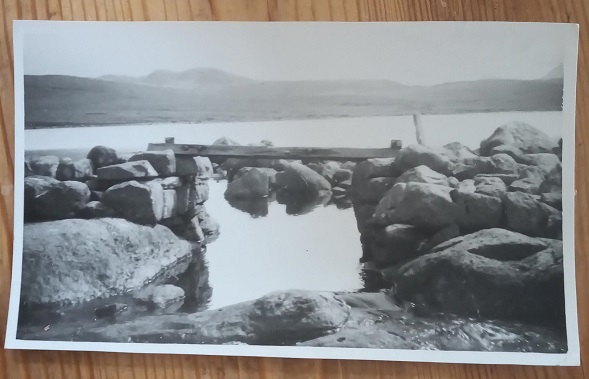
I trailed after my sister by burns and over cliffs, taking bad photos with my precious box camera, looking for eagles, dizzied by sea-stacks, drinking in a world I couldn’t have imagined from my London suburb. Ullapool, Mellon Udrigle, Achiltibuie, Lochinver, Stoer, Kinlochbervie, Oldshoremore – place names which became indelible in my brain. And the magical mountains of Assynt: Stac Pollaidh the “petrified hedgehog”, Suilven, Canisp, Quinag…. I had not known there was this.

As I inhaled the scents of bracken, I discovered its practical uses. Pitch your tent over it, and it made for a comfortable sleep if your air-bed leaked its air out every night as mine did. Bracken was an indicator plant for dry ground when crossing terrifying bogs (as were heather and, to an extent, rushes. Bog cotton and moss was to be avoided). And being a small child, the bracken generally towered over me, yet I could find paths deep into it’s forest, to child-sized clearings, for private pees or just to hide.

I already knew, from my uniquely progressive and brilliant Scottish primary school teacher, more about Scotland than the average English adult does today. I knew of the Clearances, the Wars of Independence, Burns’ poems and (reluctantly) Scottish Country Dancing. What I learned that fortnight was not facts. It was the country itself, sights, sounds and weather, the star-filled nights and the mists that clung in the whispering air; the colour of the rain; the beauty, the sorrow and the joy. I was never the same again. Although I muttered crossly to myself about long walks with wet feet, and the sheer copiousness of uphill tracks, I was captured. Thereafter, holidays with my parents sitting on crowded beaches in southern England, driving out to bustling “beauty spots” and picnics on the side of the road, were never the same. To their credit, mum and dad realised it, and did their best to incorporate more “adventure” into our trips.

But it wasn’t adventure I craved. I’ve never been very adventurous. It was the scent of bracken.

It was the scent of Scotland.

Thank you.

The Sea, Finally

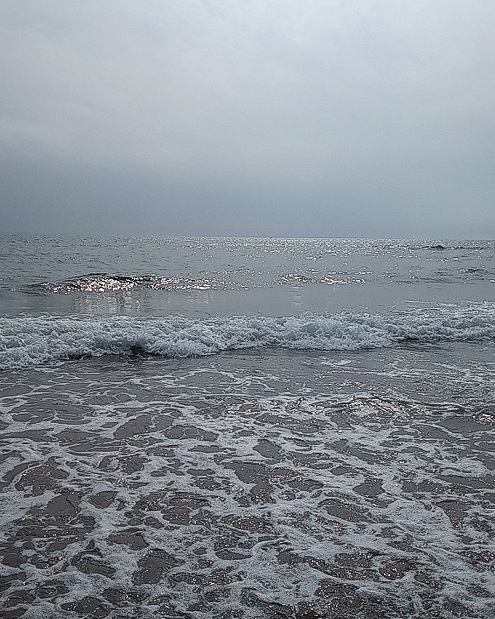
At last, after so long away,
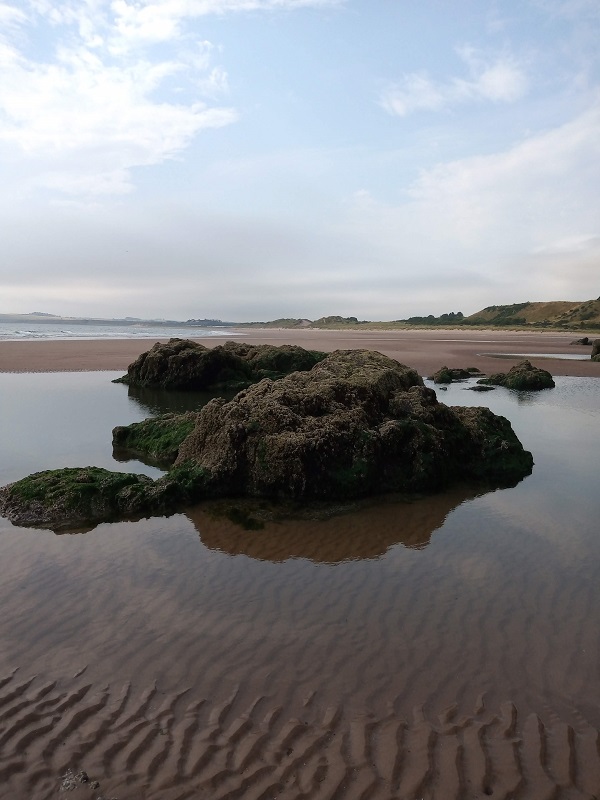
The meandering dunes are crested,
Sky opens like a spangled flower,
High and thrilling, atoms dancing, circling all.
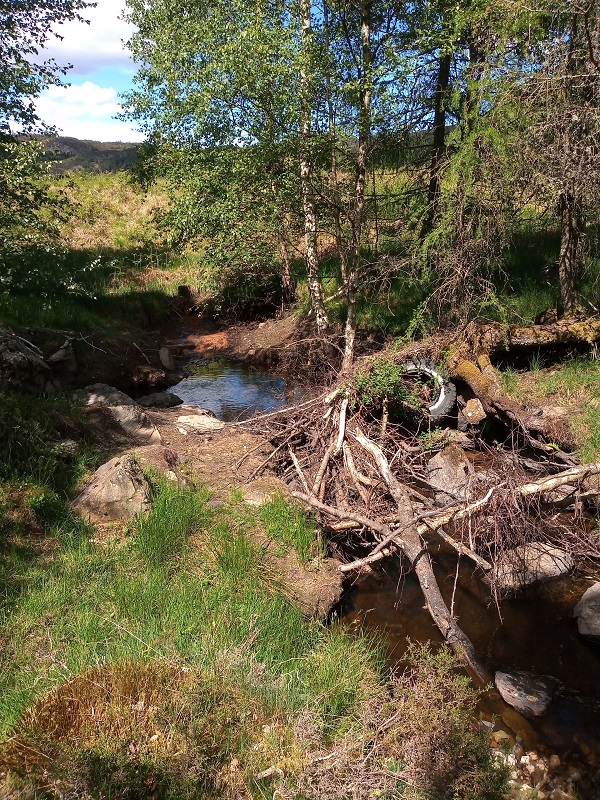
Endless beach compels, beckons,
A siren-call.

Mind empties. Into that void
Comes the sea;
Seeping through sand
In glittering showers of sound,
Echoes of shell and stone;
In waves of cold molten glass;
In sunlit spray.

Nothing is needed.
Only here and only now,
And only this.

In the Woods of Atholl

The Dukes of Atholl were awfully fond of trees, especially Larch trees, mainly for their timber value but possibly also just because they liked them. They also had an awful lot of land to play with. Still do. Duke Number 2 was responsible for introducing the European Larch (Larix decidua) to Scotland in 1740. His nephew, the Planting Duke (Number 4), turned his attention to the steep slopes of Craig o’ Barns above Dunkeld, and wondered how he could cover it with larch trees. Clearly, trees could grow on the rocky outcrops and once established, gripped the hillside with roots that were capable of splitting and crumbling stone. The issue was how to get men, tree seedlings and planting gear onto the inaccessible hillside the Planting Duke wanted to cover.

His solution, it is told, was to fire seed at the crags from a cannon positioned across the river. Not usually part of the tree-planter’s kit, but hey, this was the Duke of Atholl. Duke Number 7 brought in the Japanese Larch (L. kaempferi) in the 19th century, and the combination gave rise to the Dunkeld Hybrid Larch (L. decidua x kaempferi) in 1904.

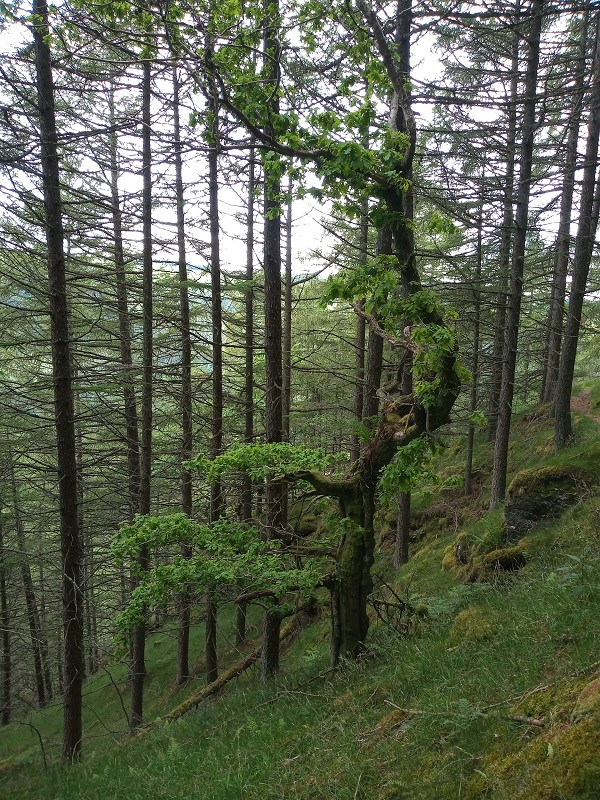
Walking the woods above Craig o’ Barns now, and the land that makes up the popular Atholl Woods walks, I am spellbound by the determination and tenacity of trees to hold fast to rock and scanty soil. Although disease has resulted in many larch giving way to spruce, fir and pine, all these forest conifers rise like spindly towers from the steep shady slopes, clamouring for sky.

Not all grow straight, however, and where a deciduous tree has infiltrated the ducal forests by setting its own seed grimly onto rock, it seems to thumb the nose at forest order by growing into as contorted a shape as it can, leaves placed to catch the light.

Rebel Tree

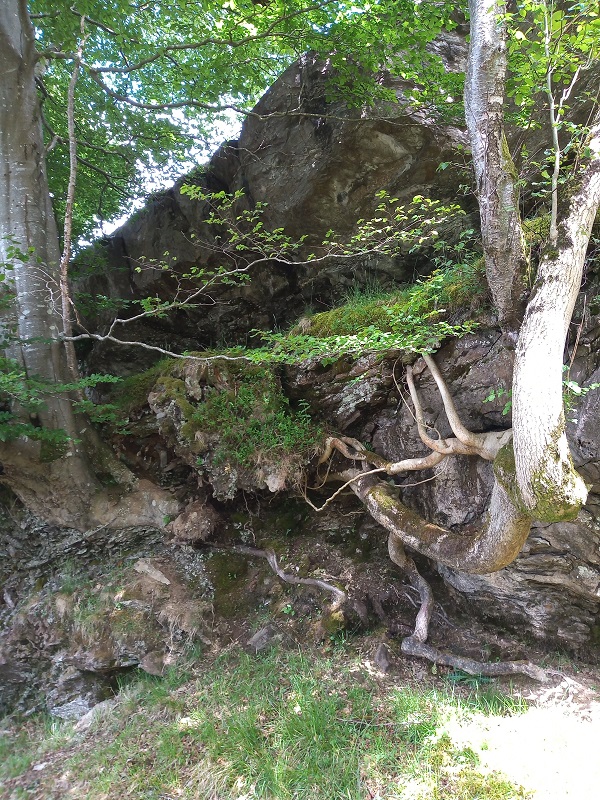
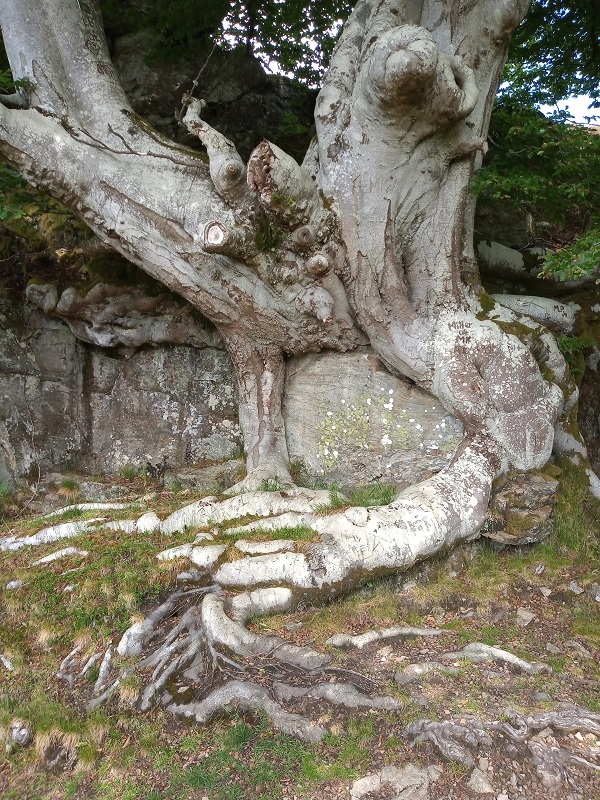
Sheer cliffs and overhangs challenge the pines, but the darker, older and unplanted yew trees seep into the rock like oozing blood – and hold fast. Holly trees, with hard, unyielding wood and strong roots, are scattered among the rocks, and huge, unlikely beeches wrap themselves around massive boulders with roots like giants’ fingers, and trunks that should have crashed to the ground a century ago.

Emerging from forest onto the look-out points along the way, I realise how the path has been climbing, just as subtly and imperceptibly as tree roots worm their way into rock-faces. The valley of the Tay sparkles with silver, south to Murthly Castle and north to Ben Vrackie, high above Pitlochry. I bask like a snake in the sunshine.

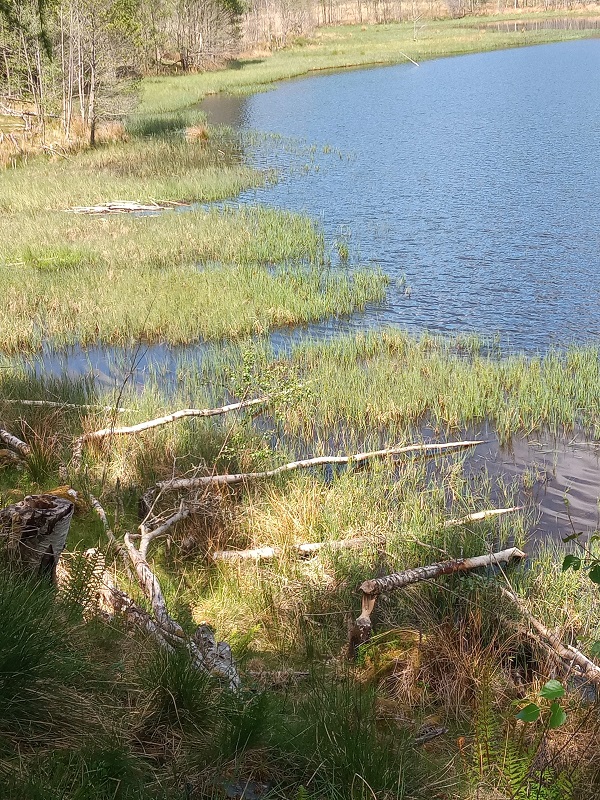
At Mill Dam, another kind of forestry is in progress. Neat and systematic felling of young trees into water to provide fresh shoots; branches and brash gathered to construct dams and quiet pools.

Such teeth these foresters must have! A match for the Planting Duke’s cannon, perhaps.

The Mushroom at the End of the Wood

A Post for West Stormont Woodland Group

Larch Boletes in Five Mile Wood

In Anna Tsing’s book The Mushroom at the End of the World*, she tells the story of landscapes ruined – or seemingly ruined – by the greed of human activity. In particular, forests. In one unpromising forest in Oregon USA, where commercial forestry had stripped out all the trees of value and left an empty terrain of broken ground and scrubby volunteer pines, she met some mushroom hunters, refugees from Laos. They were gathering Matsutake, one of the most prized and valuable edible mushrooms in Japan and – allegedly – the first living organisms to appear from the wreckage of Hiroshima after the Bomb.

Matsutake mushrooms, like many fungi, only appear when they can be entangled with the roots of a suitable host tree in a mycorrhizal relationship. They got on very well with those scrubby pines. Tsing tells how the accidental introduction of the Pine Wilt Nematode on a shipment of American Pine into Japan had devastated the Matsutake’s natural host there, hence its rarity. It is not a serious pest of American Pine.

Incidentally, Scots Pine is a good host for Matsutake, too….

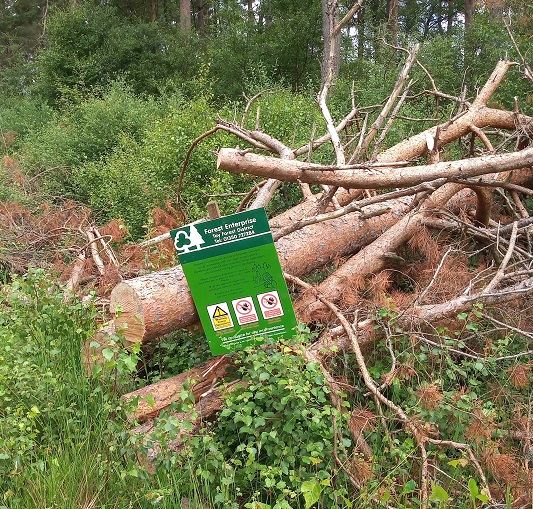
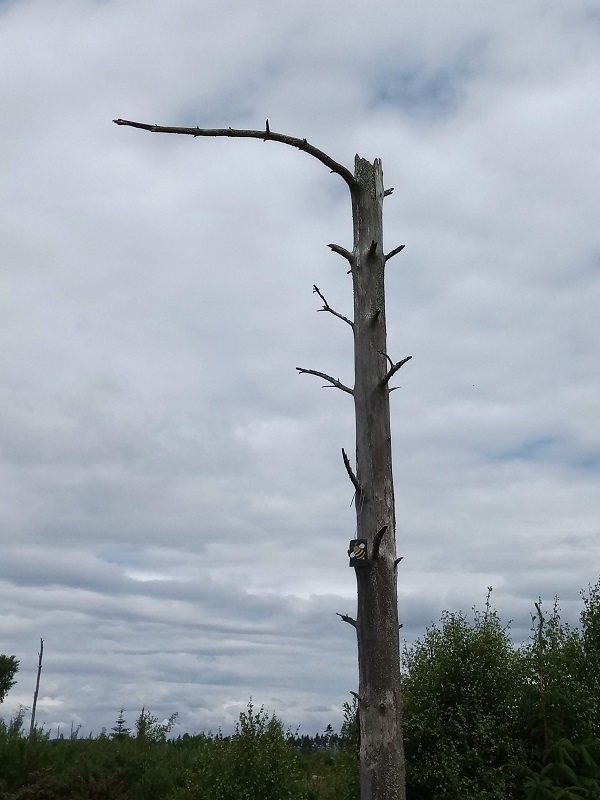
Abandoned remnants of the commercial forest

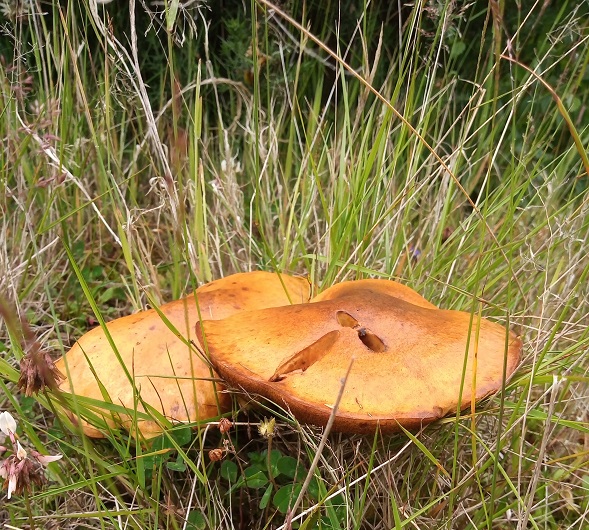
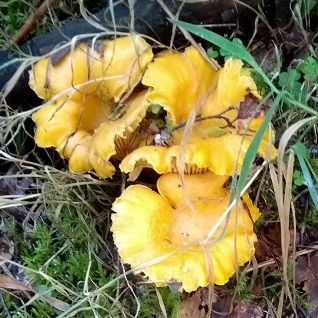
Mushrooms disappearing when a forest changes is familiar to me. All forests and woods are in the process of change, but our two ex-commercial forests, Five Mile and Taymount Woods, are forests in abrupt transition. Before the Commission took out the last valuable trees and wind-throw did for many more, Five Mile Wood was my happy mushroom-hunting ground, the place I’d take people to for foraging walks. I knew exactly where to find the biggest chanterelles, the white Angels’ Wings, the logs where real oyster mushrooms could often break out. The ditches beside the path were home to many fascinating species, including several edible Boletus including the Cep and the maggot-free Bay Bolete – and, of course plenty of highly poisonous examples too. Some years, the tantalisingly similar but inedible False Chanterelle outnumbered the real one – which is exactly what you need when teaching people not to harm themselves by misidentification. One damp corner was an emporium for the delicious Slippery Jack, which turned up in troops like clockwork, every year in late summer and autumn. I used to dry the ones we didn’t fry up right away, and store them in jars.

The biggest chanterelles

The fragile associations which had built up over the decades were shattered by felling. The self-sown birches that are colonising parts of both the woods now will eventually reel in their own, interconnected fungal friends, and the chanterelles will surely re-emerge one day, because birch is their main host tree. But from my experience, it takes at least a decade before mushrooms start to appear in a new wood, and the first arrivals are never the ones you want to eat! The precarity of a habitat for specific mushrooms is alarming – involving water tables, shade, parasitic plants, weather patterns, nematodes, beetles, animals – including mushroom pickers. Tsing’s book includes chapters on the equally precarious lives of the pickers – refugees, indigenous peoples, itinerants. Humans aren’t in control of what the mushrooms will do, because there are so many variables in play. Humans are just part of the landscape, and the landscape is changing because of and despite them.

Another remnant….

So, I can only observe and enjoy the new but mushroom-free habitats in parts of our woods, note the changes, watch new worlds forming out of devastation and realise we are not in charge, not that clever, and maybe, not that important either. I scoured the ditches in Five Mile Wood for boletes recently, and right at the end, I did find a couple of lingering and determined specimens. I left them there.

But who knows what will be the mushroom at the end of the wood? And where is the end of the wood?

*Tsing, Anna Lowenhaupt: The Mushroom at the End of the World – On the Possibility of Life in Capitalist Ruins (Princetown University Press 2015)

Tree as Furniture

There’s a little wood nestling by the River Tay that I love to walk in, partly for its vibrant and eclectic flora – an amalgam of native plants and garden escapes which get washed in when the river gets out and established over centuries, that curiously resembles my garden at times.

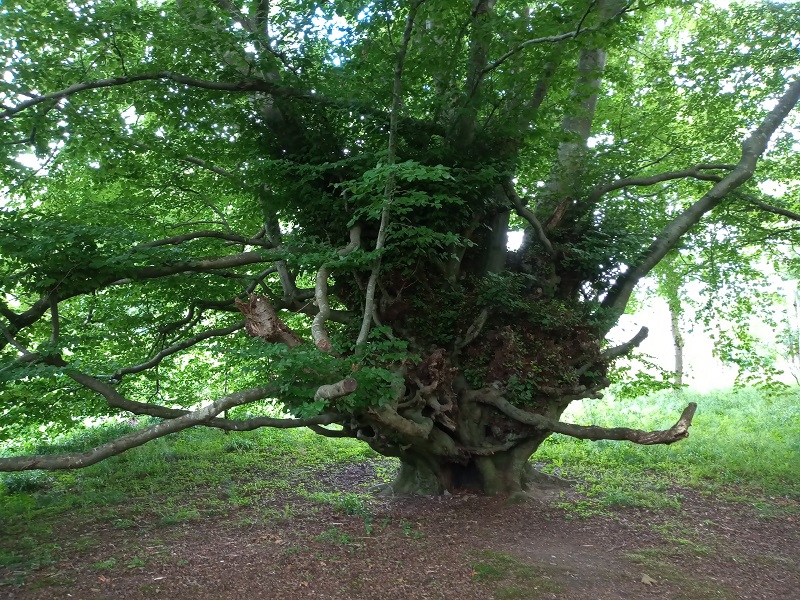
Set back from the river, and maybe in a sort of line, are some colossal and ancient beech trees. Why they are there is a mystery. Clearly, as non-natives, they were planted, possibly something to do with the nearby castle, though they look older than that. I’d like to link them to the mediaeval abbey at Dunkeld, whose land I believe this once was, though there is the small matter of a river in the way.

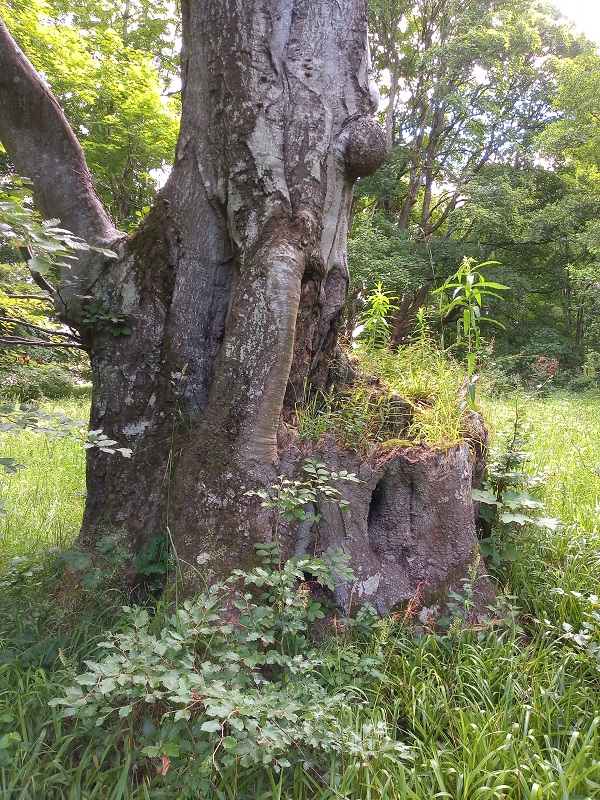
The trees were clearly pollarded or even coppiced, the resulting shoots from the trunk growing into valuable, renewable firewood. Now each “shoot” forms a huge trunk in itself, because they’ve not been cut back for centuries. This leaves the structure unstable, and every so often a tree loses one or more of its trunks, leaving hollows and torn timber crags. The exuberant flowers and grasses of the wood quickly colonise and make them into miniature gardens.

As little will grow directly under beeches, they provide a flat, open and sheltered site for wild campers, and there is very often a tent or two under one of them. Recently having witnessed the idiotic post-lockdown behaviour of people who like to think they are campers trashing and littering lovely places, I am admiring of the most recent wild campers in this little wood, with their orderly, careful fire pits and unobtrusive behaviour.

Beechwood chest, closet or bureau?

Some years, it’s looked as though the campers (who I never see) are using their chosen tree as a kind of holiday caravan, setting up for a season. It makes sense not to have to cart everything to and fro. One of the beeches in particular is like a gigantic cupboard or merchant’s chest, with cubby holes in which to hide folding seats and tables, and lofty shelves where firewood and kindling can be stacked to dry. Washed up boards from the river can be balanced across knobbly projections, useful for everything from preparing food to changing nappies.

It’s a comfortable, homely tree, nearing the end of its long life and home to so many plants and animals. I hope it always has special memories for its seasonal human residents.

The Difference a Drop of Rain Makes

A Post for West Stormont Woodland Group

https://www.weststormontwoodlandgroup.org.uk/

Five Mile Wood today is a wood part-forest, part scrub and heath. When the Forestry Commission took out the last tree crop, they left a fragile fringe, largely of Scots Pine, around the north-east side of the circular path that now forms almost the only access to the bulk of the wood. The Benchil burn trickles through and under the path here, on its way to the Tay, and water from the high water table of the central area percolates into a series of pathside ditches and curious water-holes made by a forestry digger. This is the wet side of the wood. While the trees must take up a lot of water, their canopy also prevents evaporation, and after recent heavy rain, the glades and ditches are alive with summer flowers and butterflies.

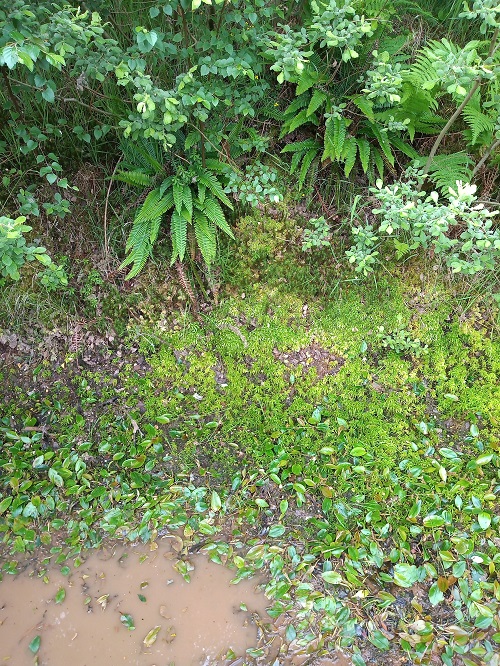
Sphagnum, Lesser Spearwort, ladder ferns and willows congregarte in wet ditches.

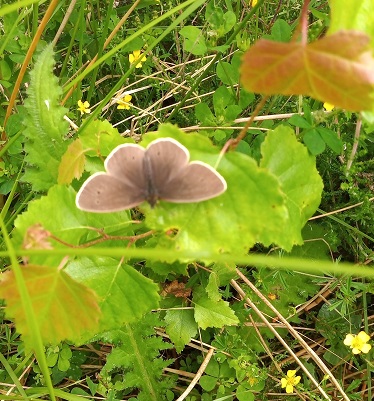
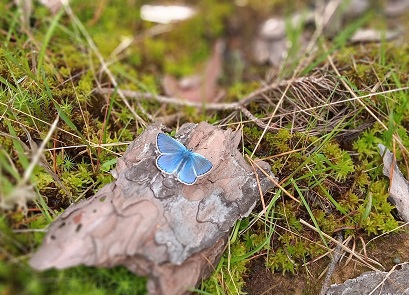
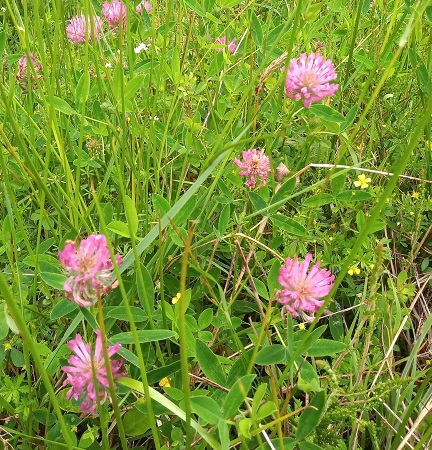
Heath Bedstraw and Tormentil are strewn along the path edges like yellow and white confetti, and red clover flourishes heroically on the banks. Meadow Vetchling and Bird’s Foot Trefoil are visited by brown ringlet, wood white, common blue, and pearl-bordered fritillary butterflies, who pause and spread themselves out infrequently on warm stones and bark shreds on the path.

Ringlet Butterfly

Common Blue Butterfly

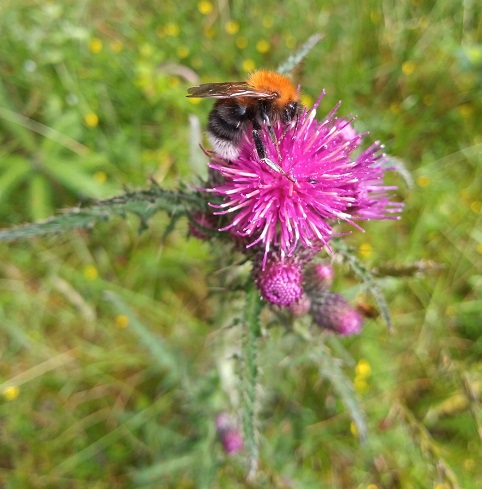
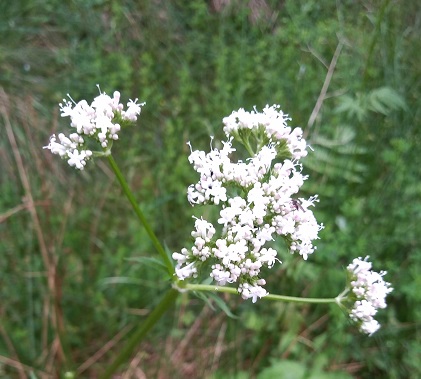
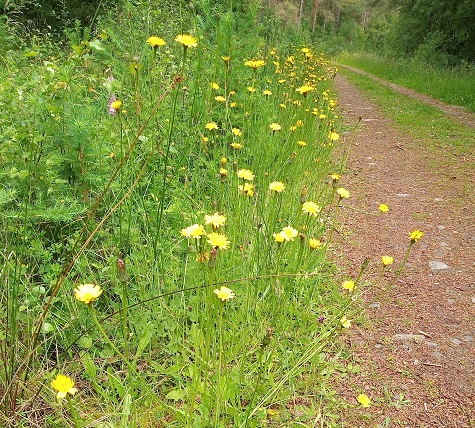
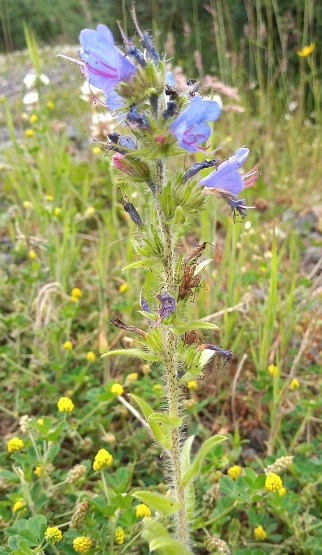
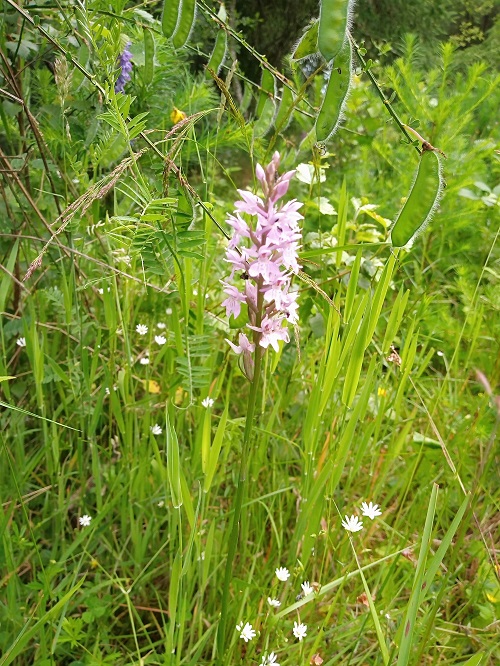
Bright Hawkweeds grow tall and enthusiastic, stretching for the dappled sun that today is scorching whenever the clouds part. In the cooler shade, sweet-scented Valerian grows. It prefers a damp habitat, and its white to pinkish flowers are nectar-rich, a magnet for more butterflies. This plant is widely used in herbal medicine, its roots being a soporific. Common Orchids and Viper’s Bugloss unusually share a habitat. Here and there are thistles, always a good bee-flower, and today a relevant newcomer to central Scotland, the Tree Bumble Bee (Bombus hypnorum) is engrossed with nectar collection.

Tree Bumblebee (Bombus hypnorum)

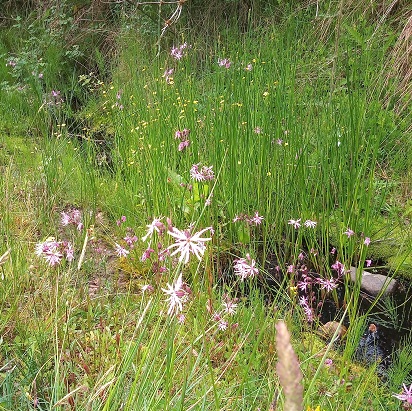
The true nature of this tract of land gives itself away in the damp bases of ditches and where vague deer tracks can be followed a short way into the springy sphagnum. It is part of a network of raised bog, myre or moss that probably once were joined. King’s Myre in Taymount Wood is another remnant. Damselflies hover over the multicoloured water forget-me-nots in conjoined pairs. The Lesser Spearwort dazzles from many a watery ditch and aptly-named Ragged Robin, dances its frilly pink skirts by the burn. Acid-loving and ubiquitous tormentil abounds, and bell heather is in flower already – another treat for insects.

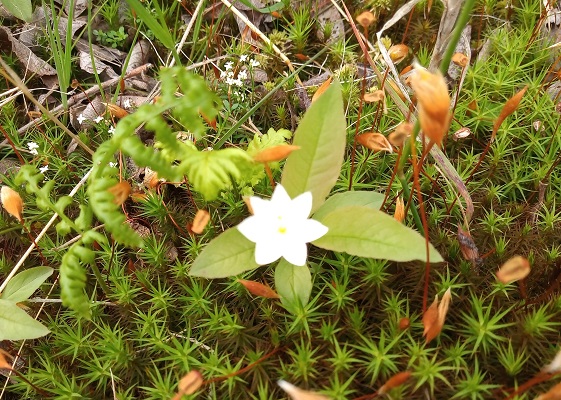
Chickweed Wintergreen peeks out from ferns and sphagnum mosses

We humans are such visual creatures, and it’s the flowers that draw us and grab our attention. But flowers are the tip of the ecological iceberg of the wet side of the wood. Ferns, grasses,  unidentified rushes and reeds are the matrix of this habitat, while unnoticed and unobtrusive, the sphagnum mosses proiliferate, and go on with their work of creating peat, holding onto water – and capturing carbon.

How the woods work to heal us.

Clockwise from top left: Red Clover, Valerian, Viper’s Bugloss, Ragged Robin, Common Spotted Orchid

Desertification and Horticultural Imperialism

Spring 2020 has seen an awful lot of fields round here go unploughed and unplanted. Whether this is connected to the global pandemic, I’m not sure. Twenty years ago, a good number of fields were left to grass as government-subsidised “set aside” land, but I don’t think there’s a payment scheme at present encouraging non-cultivation.

deserts3

At least, I hope not, as some of these fields have been so heavily and repeatedly sprayed with herbicide they are now ecological deserts. The spray (probably including glyphosate judging from the distorted and curled up stems and foliage of broad-leaved plants that got in the way) has drifted across verges and footpaths, decimating wild food plants such as raspberry, nettle, hogweed and roses that local people forage. It was probably sprayed on one of the many windy days, and/or the tank residues emptied onto the verges. I won’t presume to tell farmers what to do in their fields here, but that is a no-no.

deserts2

It’s interesting to see that the spear thistles, presumably a prime target of the desertifiers, are remarkably resistant – except where the dose looks to have been doubled.

deserts1

Garden owners with too much time on their hands during lockdown have been at it too. Every garden hedge not yet ripped out in favour of a fence has a bare strip of brown, dead vegetation at its base. Weedkiller run off from precious driveways, in which nothing must be permitted to root, oozes onto formerly quite pretty road verges and banks. I do understand the temptation, really I do. The patch of 6×2 concrete slabs mis-called a patio here can come to resemble an untended flowerbed in no time, and yes, I do half-heartedly remove the “weeds” when I can be bothered.

It gets to me, however, when garden owners start speculating beyond their own boundaries. Just as agricultural spray drift and chemical dumping on publicly-used land is bad practice and breaches all pesticide regulations, so spraying, strimming, mowing, “prettifying” or planting with rhododendrons the verges, banks and roadsides near, but not part of, a property is offensive to me.

Very offensive. What people do with their own verges is up to them, whether I think it desirable or deplorable. It’s none of my business. When they inflict their personal idea of what’s attractive – and their personal conceit of themselves as above nature – on land that has absolutely nothing to do with them, that stinks. It is so weird that so many people with money jingling in their pockets buy up property in the countryside and then occupy and worry themselves non-stop trying to make it look like a posh city suburb.

A friend of mine coined a good term for this – Horticultural Imperialism. Yet another form of imperialism we need to grow out of, reject and set aside as a species.


Creeping Up On King’s Myre

TWfeet

Hot, sunshine, slight breeze – a day to cycle to a cool and shady place. We’d often thought about walking into Taymount Wood by the core footpath from Airntully, but before lockdown hadn’t considered cycling all the way from Bankfoot. We left the village on the Stewart Dairy road, in normal times screeching with haring rat-runners with no conception of cyclists or passing places, and up the steep Barns Brae. This we accomplished without pause for breath, thanks to the electric bikes! We were caught out at the top by two “proper” cyclists who had stopped to recover, and who tried very hard, in a typical show of pandemic goodwill, not to look supercilious.

From the hamlet of Airntully, with its handy share-and-donate community phone box, we entered a shady tunnel of hedgerow elms, that enclosed our path. A shivering mosaic of sunlight hovered over the blue of speedwells, the pink of purslane. The path quickly led across a road and over the main line level crossing, straight to the fringes of Taymount wood.

TWlevel xing

In contrast to our last visit in March, most trees were in full leaf. Violets flowered happily in the shade. It was now drowsy midday, and – again in contrast to March – the birds were silent, save for a welcoming chiff-chaff.

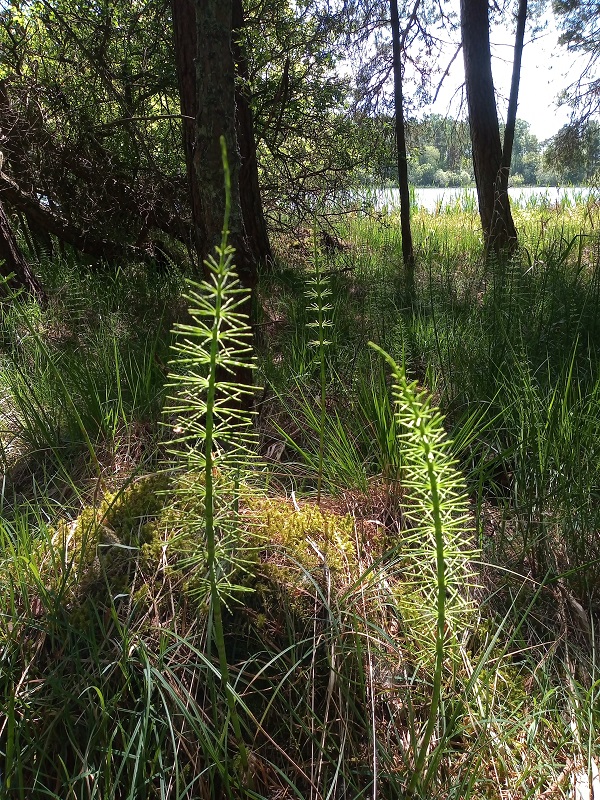
The silver line of King’s Myre appeared through the trees on our right. Parking the bikes, we took a small deer path between the trees towards the water.  You cannot “go to” King’s Myre, nor can you arrive. There is no division in this habitat, between wet and dry, no shoreline, no edge. You have to creep up on it, with the stealth of an amphibian or a mudskipper. The ground underfoot grew softer, violets gave way to arching horsetails, until the trees petered out into scraggy bog willow and the soil became sphagnum moss. If I stood still, water came over my shoes.

TWhorsetails

Under the last tree, whose roots appeared to have made a spot dry enough for tormentil to grow, we sat down to picnic and observe. An osprey, also in search of lunch, circled the lochan. Fluffy seed of the reedmace bowled about the water margin like tumbleweed. Blue damselflies hovered, veering abruptly as if skating on air. Red damselflies were better camouflaged, except the one that alighted briefly on my knee!

TWorchid

There were many small, dark solitary bees. Where they were foraging? They ignored the yellow tormentil, and I could see no other flowers. But a squelchy walk among the bog willows revealed several orchids, probably marsh but I’m hopeless on orchids, and the staggeringly lovely fringed flowers of the bogbean (Menyanthes trifoliata), just coming out.

TWbogbean

Back to the bikes, and on through the wood to the main entrance on the KInclaven road, streaming away on downhill paths through heady clouds of coconut scented gorse. By the time we reached the birch trees, the birds were singing again. We returned via Airntully phone-box for a book to while away the rest of the afternoon.

TW1

This post was written for West Stormont Woodland Group, in support of the plan for community buy-out and wider community use of local woodland and landscape.


The Ultimate Alchemy

seeds2

seeds5They are as diverse in shape, size, colour, decoration as any flower. They are self-contained, yet everything is contained in them, however small, to make the tallest tree, the juiciest berry, the wheat we eat, the biggest sunflower, the rarest orchid.

Hold seeds in your hand. Feel the faint pulsation of life, no matter how dry, how hard and rigid they seem. Feel that faint warmth, the tiny voice that says. “I know. I am coming. Plant me”.

In your hand is magic.

Remember biology classes at school, as dry as these seeds, the dreary terminology of meristem and cotyledon and radicle? No-one spoke about miracles. Yet no-one understands the rapture of the “hooked plumule” until they see their first-ever home-grown seedling – maybe tomato, maybe a pumpkin – shoulder its way through the soil into the open air, then to unhook and open those first seed-leaves.

seeds1

You stare, open mouthed. I did that, you think. I put that seed there. And lo, it is growing. It worked. In that moment, you are caught. You will see this happen again and again, pots of seeds, rows of seeds, the longed-for yet always somehow unexpected eruptions of “seed” potatoes breaking through the mounded soil. But always it will dazzle you, floor you, make you giddy with sudden brief joy.

seeds3

It is the ultimate alchemy – the transformation of small hard mote into living organism. So far beyond the base-metal-into-gold aspiration of mediaeval alchemists, for it has succeeded. And it is a collaborative feat. You may have sown the seed, but the seed has made use of you, and you have grown.

From each seed is the potential for flowers. From flowers, the prospect of more seed through pollination. The promise of seed is the promise that we may eat again, that our children will eat. It is no less than the promise of survival.

seeds4

In today’s world, a pandemic virus coupled with spiralling concern for an environmental emergency has got us all sowing seeds. An army of growers and gardeners is multiplying like dandelions. These aren’t the old-guard, nature-controlling gardeners. When the garden centres closed, we realised our children cannot afford to be at the mercy of a few big seed companies, or side-lined into dead-end F1 hybrids that will not produce viable offspring. We need seed we can collect ourselves, share, save, and keep for following years and new generations. Seed banks and seed libraries (a kinder term, that speaks of sharing and co-operation) are springing up across our land. Is there one near you? Can you start one?

We are a people terrified by the present, grasping for a past that was never really going to sustain us, and reluctant to look at the future, in case there isn’t one. Seeds, in their understated humility, their quiet, warm still voices, carry that germ of a dizzy rapture, that incredible potential.

Seeds are the promise of a future.

(The quotation at the start is from Melissa A DeSa. Community Programmes Director, Working Food)