Migrants

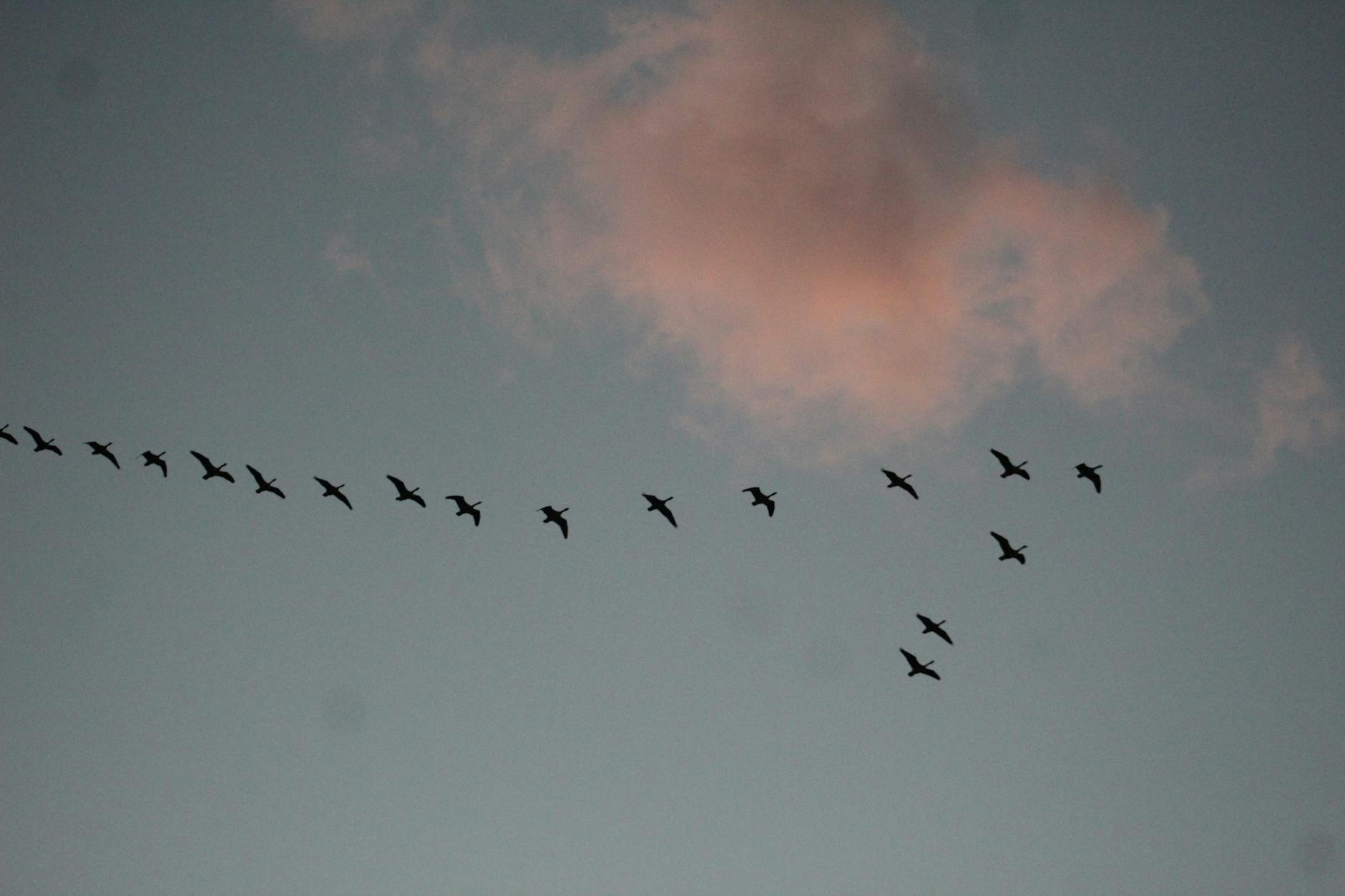
Photo by Nadine Giza on Pexels.com

They will be here soon
flying through the night
piercing the muffled silence
as stars punctuate darkness’s depths.
They are coming,
converging,
greeting each other,
flying alongside and ahead.

Battalions with no borders to defend
no wars to fight
no points to score.

To the stirring fields of autumn
to the flat black water
to the margins,
they approach.

Let’s meet them there.

I was on a bus between Perth and Edinburgh last week. As it swung into Kinross to pick up passengers, I glanced up at the amazing Kinross Gateway sculpture of three pink-footed geese alighting (David F. Wilson, https://dfwilson.co.uk/1371-2/). I thought, ah yes, the pink-foots. They’ll be on their way now. In my mind I could see them sweeping the skies, could hear their incessant babbling on the wind. The poem above got written before the bus had even got to Kelty. By the time I go to the end of it, I wasn’t only writing about geese. The last line references a famous poem by the 12th century Persian Sufi poet, Rumi, which goes like this:

“Out beyond ideas of wrongdoing and rightdoing
there is a field. I’ll meet you there.

When the soul lies down in that grass,
the world is too full to talk about.
Ideas, language, even the phase “each other”
doesn’t make any sense.”
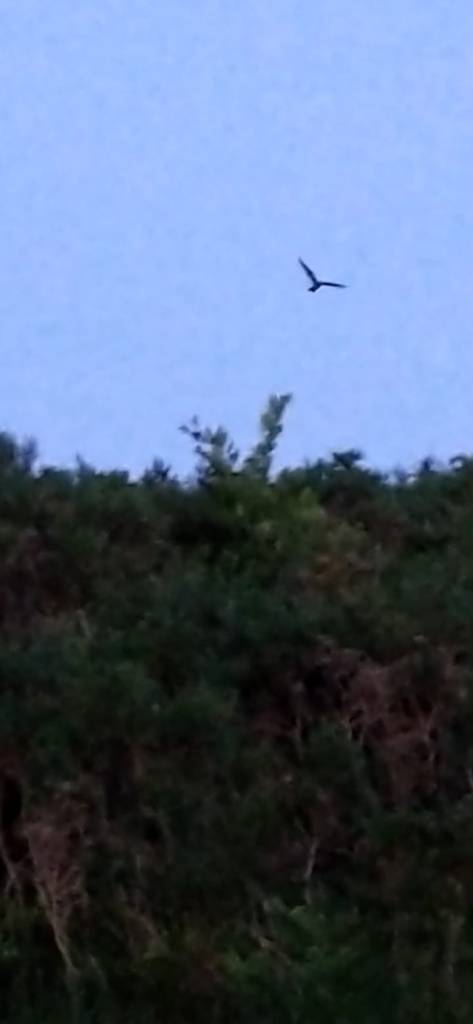
Night jars

Day descends
As we descend the
Stumbling hillside, dark
With gorse and broom.
Voices lower, whisper, cease, as steps
Grow cautious, hover, become still.

Wait. Listen. Breathe.

White orchid, luminous, rises out
From the gloom of dusk, distracts
From the strain of aching to hear.
So, unsought, barely registered, 
A faint new sound creeps from shadows .

They move invisible up from the valley,
Calling unseen from scrub and bracken.
They thrill the air. We are caught;
Transfixed, alert,
Skewered by sound.

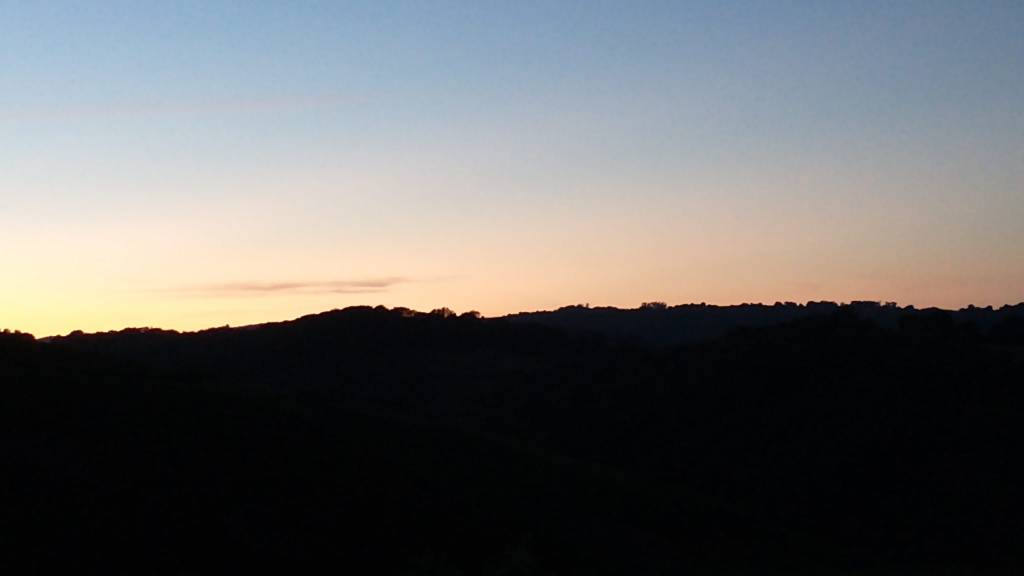
Against a sky that reels
From peach to turquoise,  wrapped in night,
One arcs upward, coasts, swoops,
Swings and folds to right and left,
Dives into darkness, rises to light:
Swirling master of the night air.
Magician of dusk, and all the spaces
Between night and day.
Flash of white. A call that
Seeps in like the shiver of cold air.

Night falls.
Night bewitches.
Night jars.
Nightjar, edge of Dartmoor.

Thanks, Jo Lear, for the photos. I don’t know how you did it!

Wild-ed

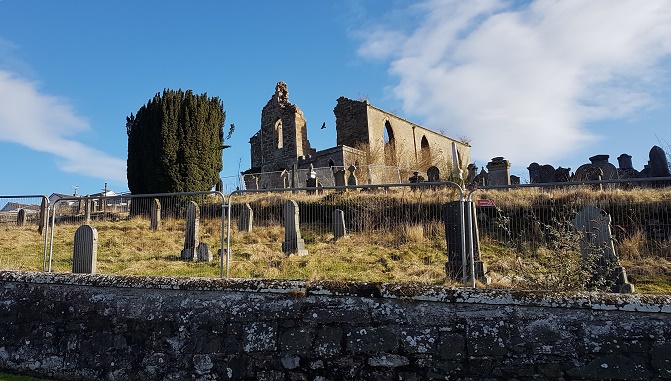
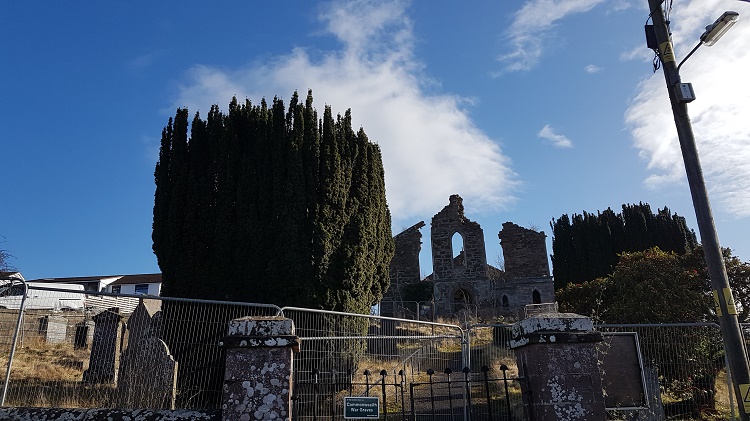
Now the Irish yews are surging skywards, thrusting out dark flames of leaf and stem.
They are slow, but it’s been over a decade now, trickling from flame to flame.

There is a blurred line
where a century of tidy head-height tinkering ended, and a tight sea of brooding, black-edged green foliage has broken through, and swept away order.
The yews erupt, as stone crumbles and falls.
Birds roost in them at twilight in scores, warm, undisturbed, by gale or snow.

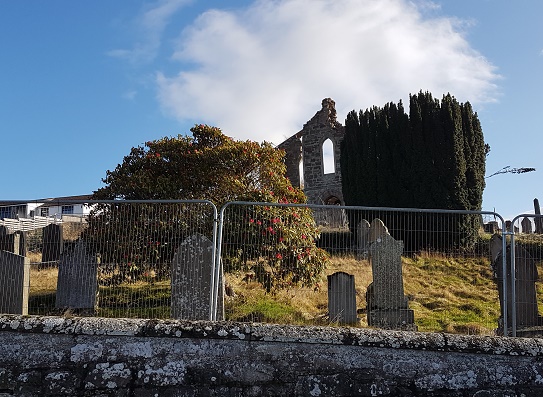
Behind the safety fencing, beyond the do-not-pass and danger signs,
is a place where no man goes.
Gravestones lean, tip and tumble; make new, safe alcoves, tunnels and tiny shelters for unregarded lives.
Grass rises, dances with nettle and willow herb, falls, forms dense mats and decomposes slowly.

Rhododendron Elizabeth, first red fire of February, sprawls and spreads and flowers on, uncorseted.
But most of the orderly and well-tamed shrubs they planted by the paths and over loved ones shrink and cower now
beneath the onslaught of bird-borne buddleia, bramble and insidious sweet elder.

Secrets are kept here among the dead. Trysts are made
between fungus and flowers, moss and bird, animal, alga, insect, lichen and all
the free flow of life invisible, multiplying, dividing, swarming, with the Irish yews, making universes from perceived dereliction.

Sanctuary now, holy ground, as never before.

Circular Walk, Spring Morning

A night of light snow, followed by clear-sky freezing has left
The ground hard and white.
Rapidly the sun, heroic, overcoming all, climbing high,
Melts snow to iridescence at every margin, every edge.

On a single hill, snow is held in thrall. Like a crumpled Mount Fuji, but
No blossom, no art,
The hill holds its ghost-clothes, despite the sun’s triumphal progress.
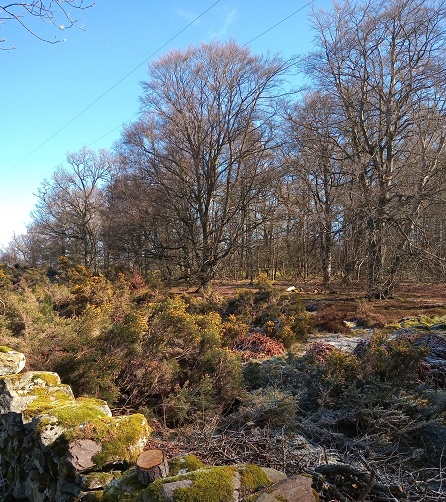
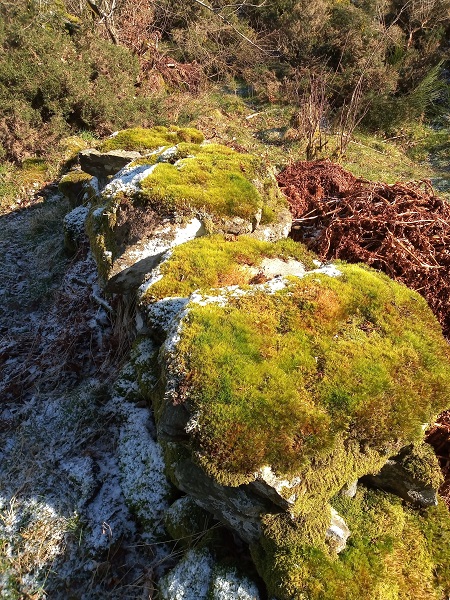
Magisterial old beeches sun themselves among old walls and
Moss-covered stones, dripping, wet, full of temptation.

Birds call, fluting, piping, chameleon-coloured, slipping away like lizards.

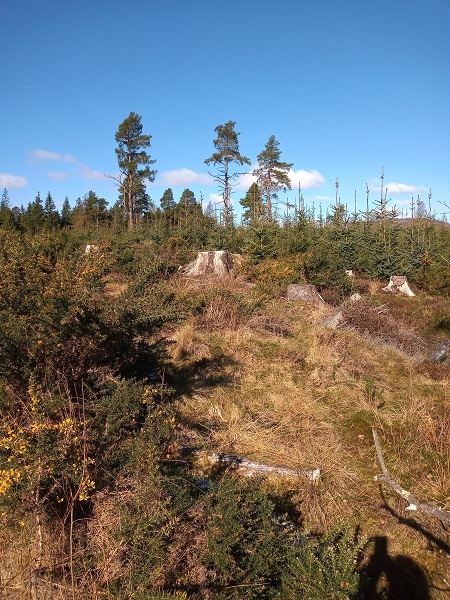
I’ve never understood the detritus of forestry. The wind cuts and dives
In and out of the shambles of stumps and trenches, where startled pines left behind
Look half-naked and vulnerable, hesitantly beginning to stretch arms to the sky,
To each other, united in the icy wind.

I follow the wind. I leave the wreckage, the small shelter
Of self-seeded spruce erupting from glossy gorse and broom. Ahead
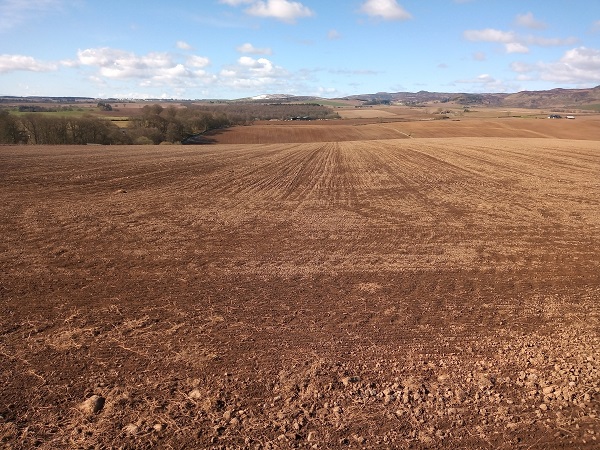
A vast and dreary vista of huge, brown and empty fields,
Unpunctuated by tree or hedge-bank, meticulously ploughed and harrowed.
The dust rises, faintly reeking still of the abattoir, that small, derisory recompense
For decades of soil inevitably lost and life precluded.

Back by road, the first wood anemones
In the deep and shady gulf where children once played canyons,
And a rising stir of sound comes up from behind. Suddenly
A thousand geese are shifting and snaking in the blue, blue sky,
Withering the last frost with their joy.

The Hole in the Ceiling

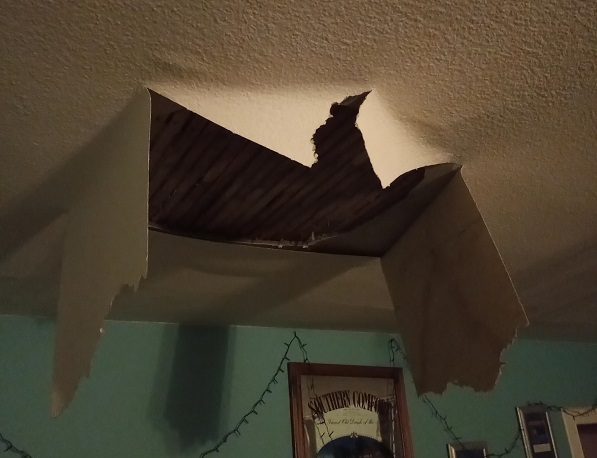
There’s a hole in my ceiling.
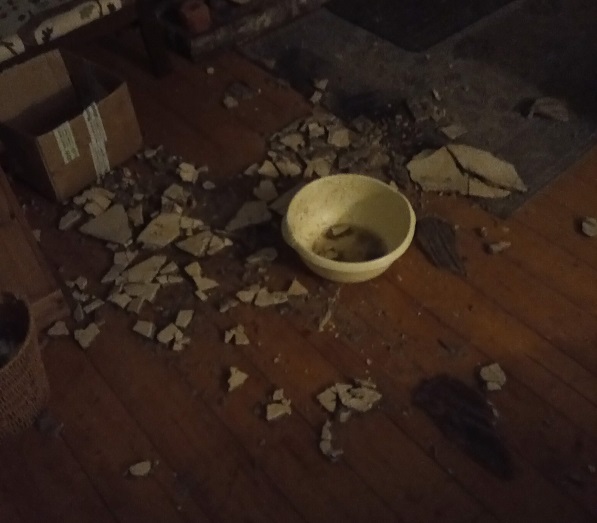
It appeared in a shower of soggy plaster at two in the morning,
thank you, the plumber who couldn’t see the pipework he was soldering.
Now it gapes at me, streamers of ceiling paper ripped apart by weight of water
from such a tiny drip.
I do not know how it will get fixed. Or who will fix it.
Already, I’m in danger of forgetting it’s there.

It’s amazing what you can get used to.

There’s a hole in my planet, a land-slipping crater, the stuff of nightmares. Into it
falls species after species, scrabbling at the edge as the crater gets wider.
Few get out. Few are rescued.
They slip unseen. They fall. Out of sight at the core of the vortex, they join
the bones jangling amid the soup of ruined soil and despoiled seas.
Some measure the crater. They scream
the edge is getting closer and closer
to where this dysfunctional, bipedal, insensate species hovers.
Most look away. The party must go on.
We will not notice the crumbling quicksand.

It’s amazing what you can get used to.

There’s a hole in our lives.
Our patterns and expectations slashed and cloven, our hopes
pulverised. Into this fearful emptiness creeps something tiny and unseen.
It carries fear. It divides us more than it unites us,
provokes discord, brings us down. We look around
to see where our thwarted plans, our comfortable habits, our dreams, have gone.
Where are our friends? Where are our grandparents?
The children we cannot see growing up?
Where is tomorrow? Our bodies are under attack.
Our minds turn backwards, inwards, away.

It’s amazing what you can get used to.

There’s a hole in my ceiling. I sweep up plaster dust.
But it won’t go away.

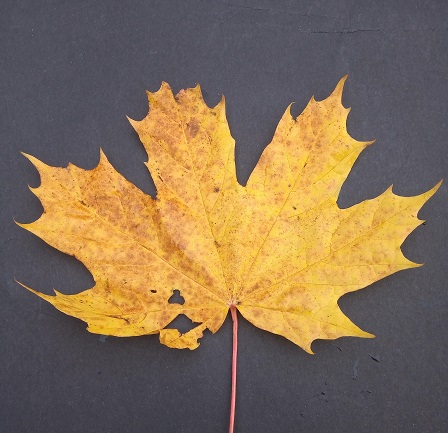
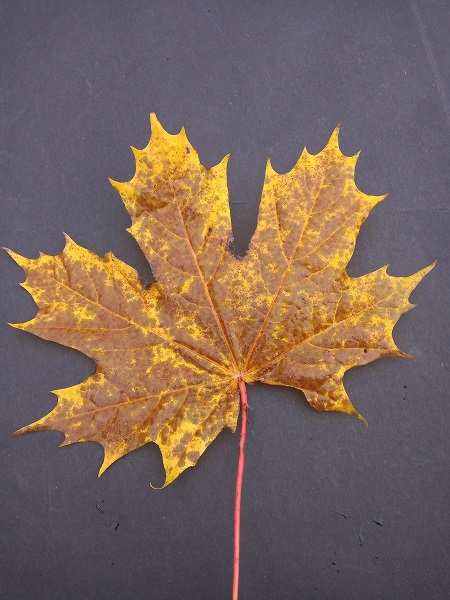
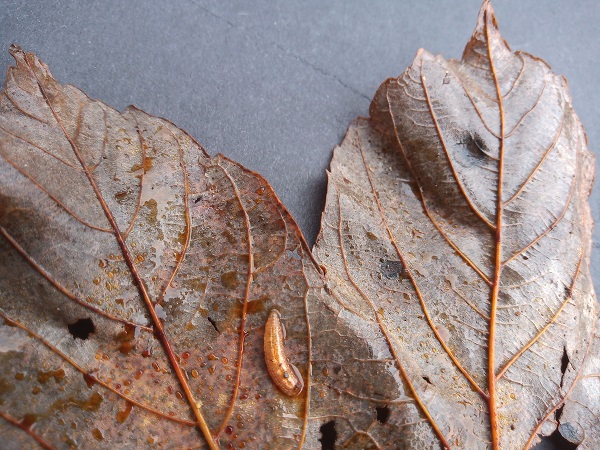
Fading, Falling, Living

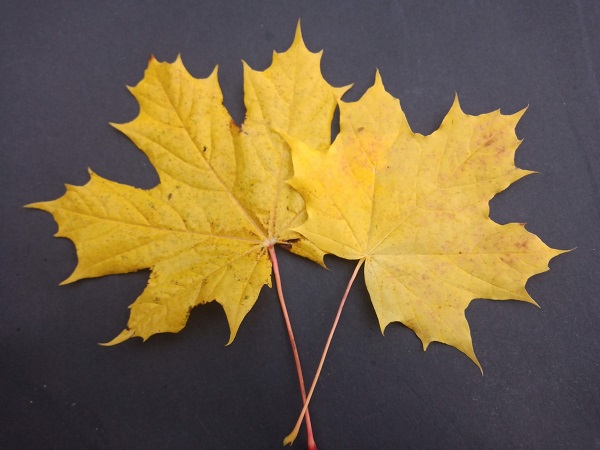
Post-abscission, clear buttercup yellow,
Glowing, brimming, laughing leaves,
Backlit by unseen candles in the soil,

Dancing to proud chestnut speckling,
Here a tear, there a ragged edge,
Tawny shadows cluster.

Form altered, yet perfect,
Loveliness of mottling, deep riven veins,
Clarity of soft, yellow margins.

No stage of this fading
Worth more or less than the last,
Or the next.

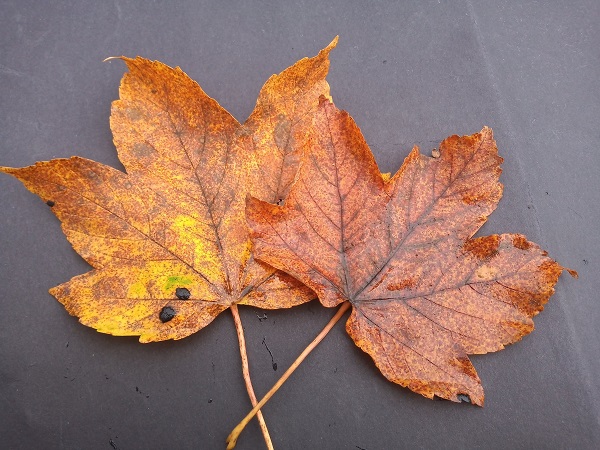
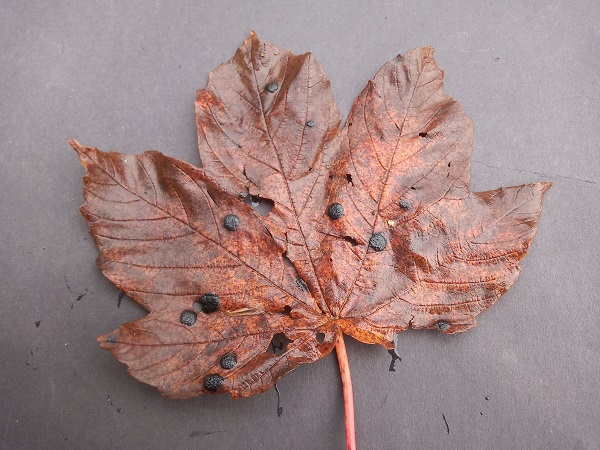
Burnished by rain, age spots darken,
Host to unimagined organisms.
Veins grow thin, but flow golden yet,

And when this encompassing brown darkens and crumbles,
Becomes indivisible with soil,
When nettles push back through the earth
And the chrysalis breaks apart

This, too, is living,

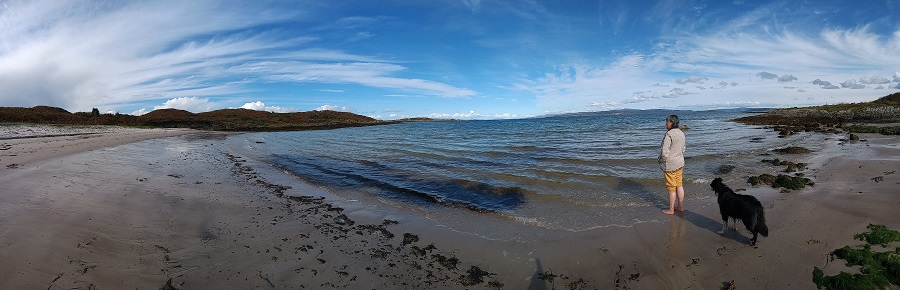
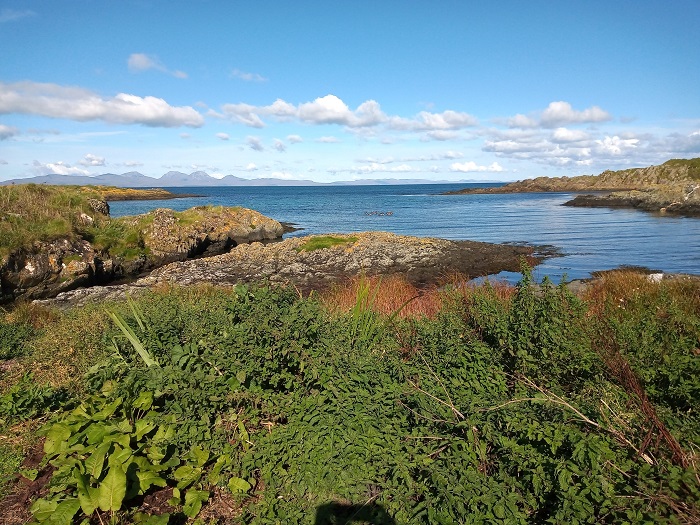
The Island

Small island
of benign cattle,
quartz-veined rock-pools,
exotic trees
and runaway rhododendrons:
A chameleon island,
shape-shifting as the weather pirouettes.

Truly Hebridean
with its small, hand-moulded fields
and slow pale meadows, and
the flashes of white sand as the tide goes out.

But in a chiselled sky, it hardens
to shoulder the wind-borne rains of Shetland.
As sea-rocks darken and clouds come low,
sand blackens. I taste metallic air
of a sea-bound nation, far across
a cold, uncompromising, northern sea.

Then, in a flash, a rainbow erupts:
Sun-dazzled waves and sweet, warm,
blackberry-festooned tracks
through deep, lush valleys, recall Penwith,
and sun-drowned, southern afternoons.

But this island
holds its own keys;
makes its own future;
decides what to be
and to be what it chooses.

It defied all comparisons in Twenty-o-two.

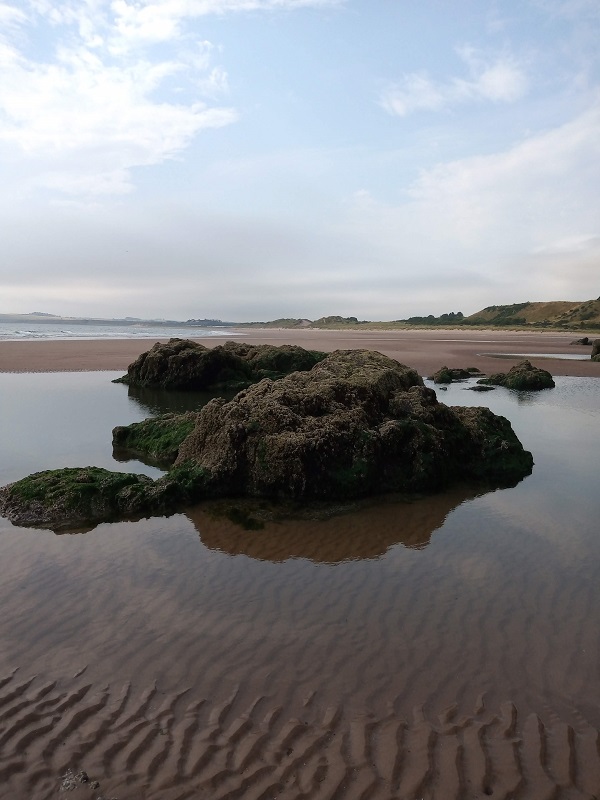
The Sea, Finally

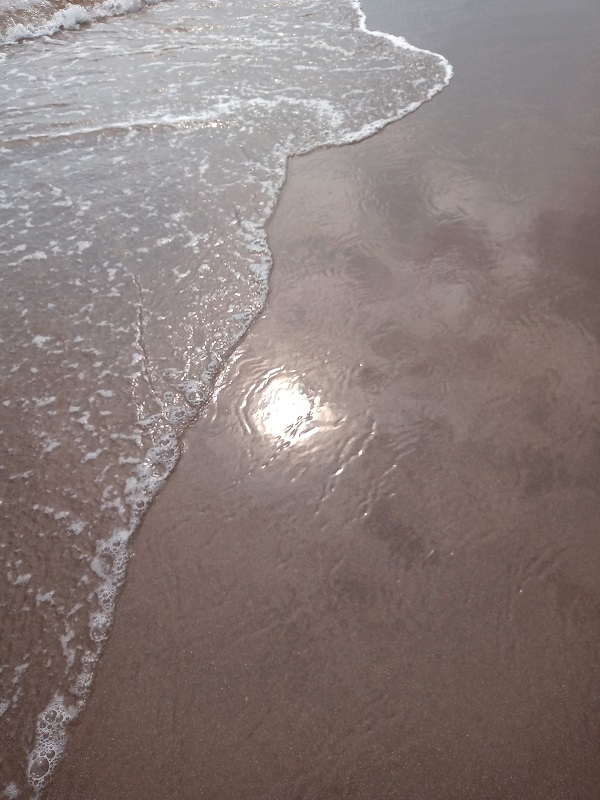
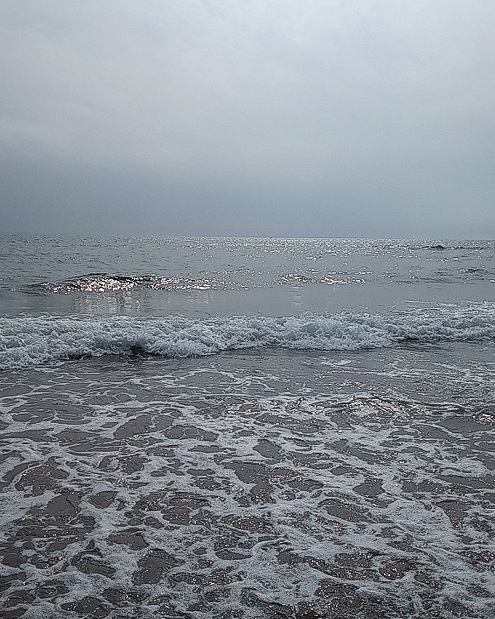
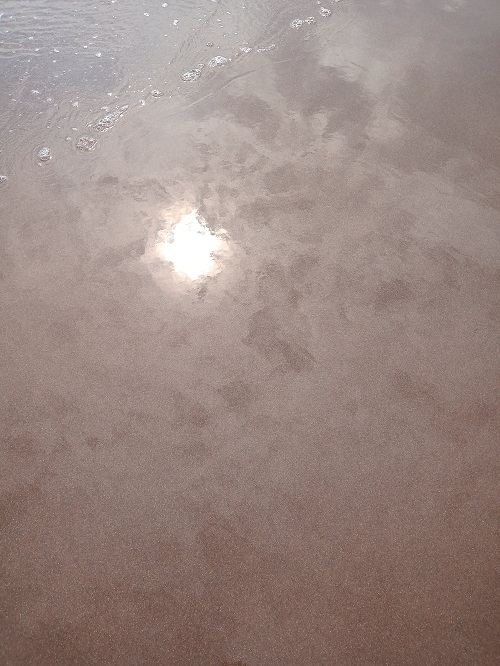
At last, after so long away,
The meandering dunes are crested,
Sky opens like a spangled flower,
High and thrilling, atoms dancing, circling all.
Endless beach compels, beckons,
A siren-call.

Mind empties. Into that void
Comes the sea;
Seeping through sand
In glittering showers of sound,
Echoes of shell and stone;
In waves of cold molten glass;
In sunlit spray.

Nothing is needed.
Only here and only now,
And only this.

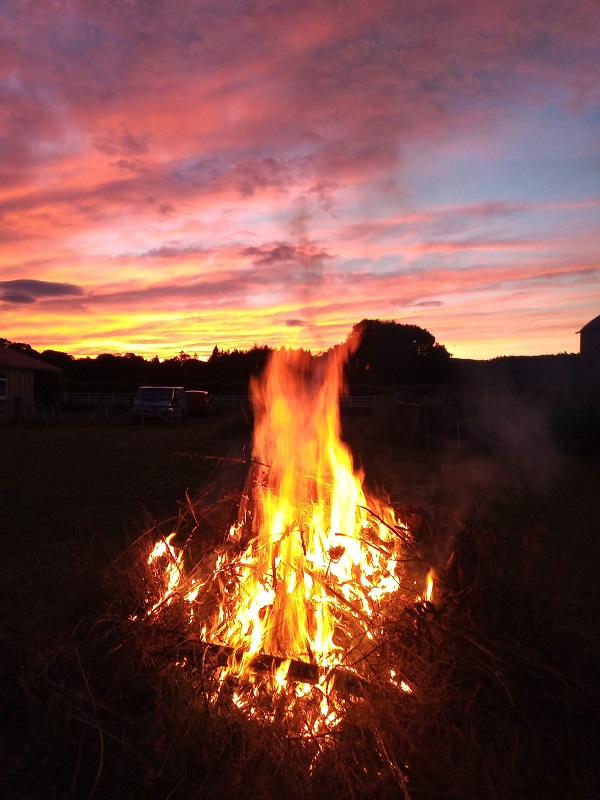
World on Fire

World on fire.
Bats dart and dive
From dusk to dawn
And flicker through the short time in between.

Midsummer comes once more:
Ignites revolution. Sparks fly.
Lightning strikes.

Mutely, between fear and hope,
Once more, we feed flames.

Bonfire: symbol of
What may be a future;
Misunderstood prayer of longest days.
Wild sun on simmering clouds,
Broods still, on midnight’s horizon.

Dawn or despair lies around the corner.
Night is short, disturbed by thunder.
We fan the embers, even though
The world’s already on fire.

Everything Must Change

DSCF1433

Radio voices infiltrate
Birdsong, and the low murmur of bees.
They demand our patience,
Promise clever plans, speak wistfully of
Getting back to normal.

Cold winds
Have blown the smog from the skies,
Hushed the traffic, sombrely
Slowed the world down.
With neighbours and friends afar,
We swap and share: seeds, favours, produce,
Recipes, ideas and goodwill.

Oh, but, the radio voices cry,
That won’t be forever. The economy
Will erupt again amid chattering smokescreens,
Rise and fill the air with busy-ness,
Drown out birds and kindness.
Don’t despair. The economy
Will get back on its rotten track.

We’re not to worry. There’s no need
For co-operation, self reliance or hope.
They’ll feed us bread and circuses again. Meanwhile,
Have some crumbs
From the great loaf of capitalism.

No need for questions,
but they’ll give us answers, anyway;
Answers we don’t need to understand,
Data to depress, figures to make us fear
Those cold winds of change.

Let’s not go back to that normal
Of duped dependency, petrified inequality
And the averted gaze.
Swallows have returned. With eyes wide open
We can see the season changing.

DSCF1516

I wrote this in response to the Common Weal #everythingmustchange campaign (https://commonweal.scot/rebuild).