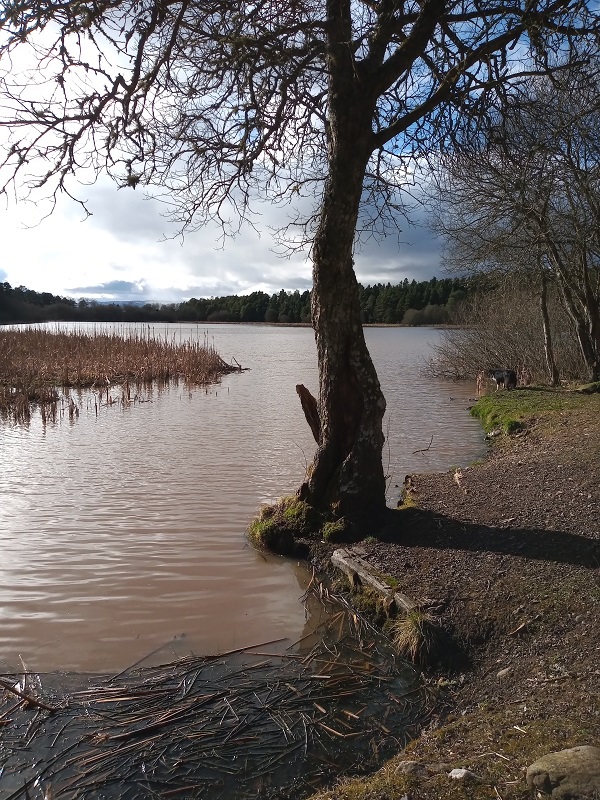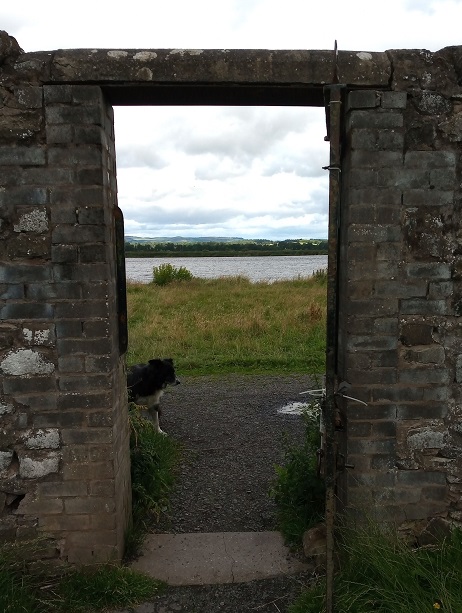
Through a gap in the wall, the horizontal lines of the Firth, flat islands looking half-submerged, and the frown of long lines of reedbeds across the water, are drawn like smears of dirt below a layered sky.
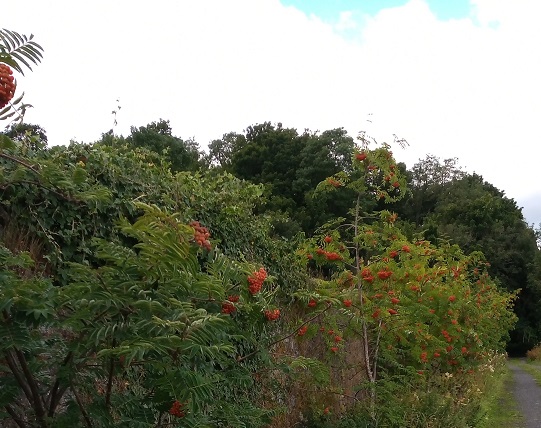
Pass through to the other side and the world has shifted, as though the rift faults that made this landscape just happened. The air is clamorous, the sky immense. In a town that arose among the orchards of an ancient abbey, the wild fruits of native Rowan are planted on the waterside of the wall.


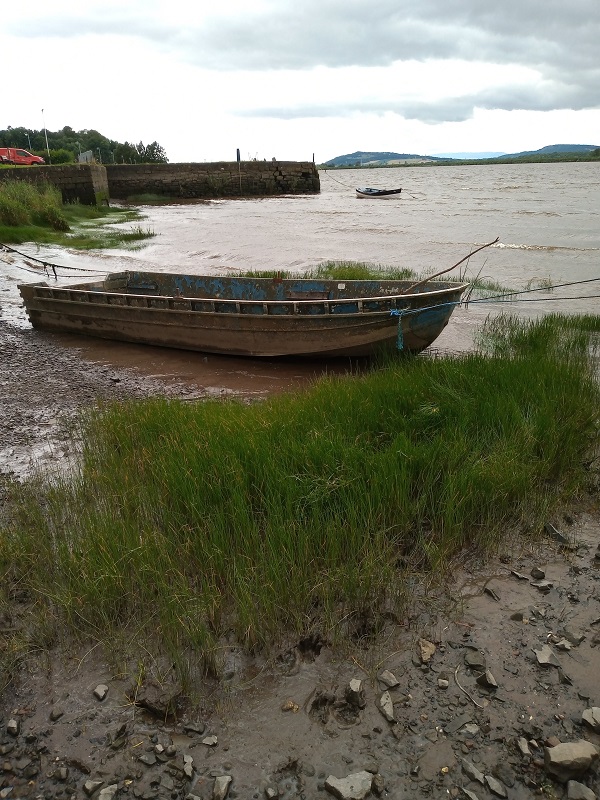
By the slipway, the silver and gold of pungent Mugwort and Tansy give way to outsized rushes the size of small trees. Among them hide bobbing boats, lapped by the high tide. Listen to the clicking and fretting of small wind-waves on the stone wall of the jetty. From here, boats once plied a busy trade up and down river to Perth or Dundee, and across to ancient Port Allen in the Carse of Gowrie. Did they trade grain for Fife coal? Carse apples like the Port Allen Russet for Newburgh plums and Lindores pears? Did the monks from Lindores Abbey and their fellows at Grange in the Carse send each other scions and grafted trees?
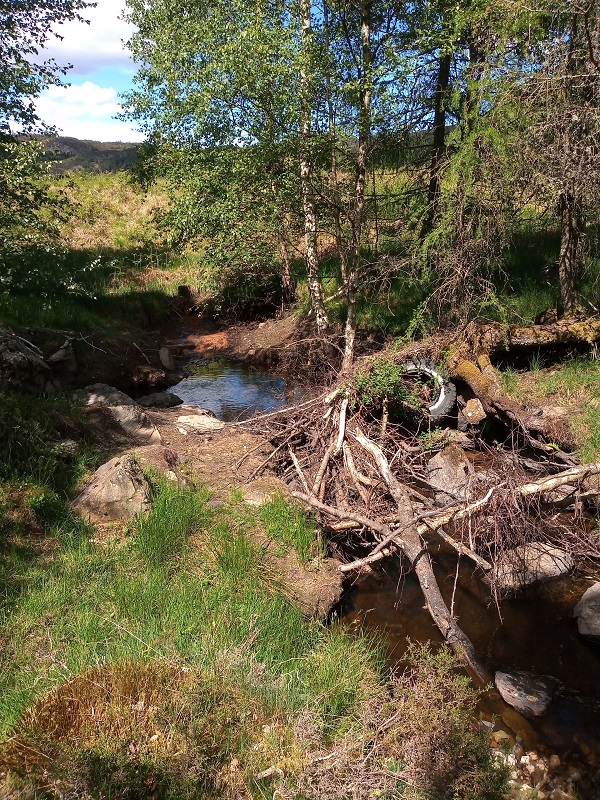
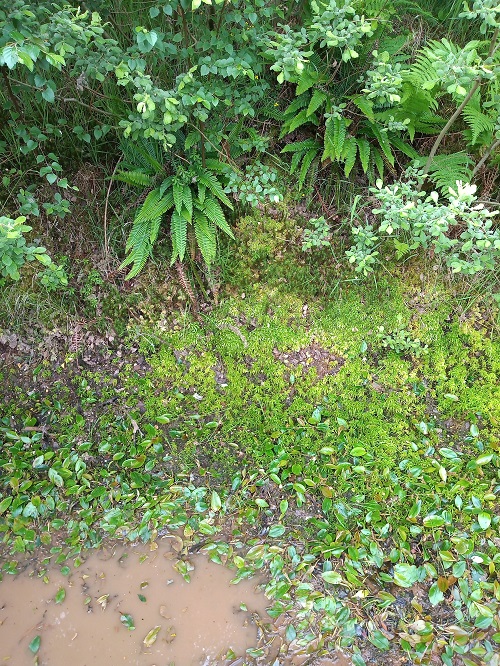
Follow the path east, past salmon high and dry and leaping above mown grass, beside inaccessible muddy inlets bordered by reeds and willows and deep cuts where the old mill-stream threads unseen but laughing to the Tay. Vegetation is exuberant, chaotic, oversized and riotous. Great Hairy Willow Herb towers over the umbrella-sized discs of Butterbur leaves; nettle and insidious bindweed tangle through, the bindweed erupting in white trumpets of triumph.


Ponder the great bear with her raggedy staff on the hill above the town. It is not as old as you think, but is rooted in history, via a stone. How does the symbol of the powerful Warwick family (best known as mediaeval kingmakers in that other country, England) fit into this landscape? Was the first Earl of Warwick, Henry de Newburgh, really from this place? Or is it there because William the Lion of Scotland gave the title to his brother David – the founder of Lindores Abbey?

And the stone – the Bear Stone – at the centre of the story – where is it now? What did it mark or measure?
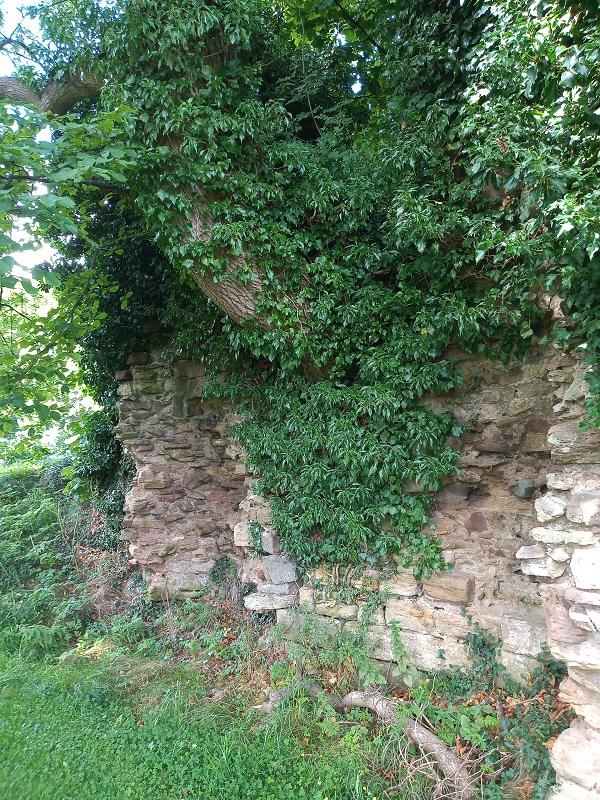
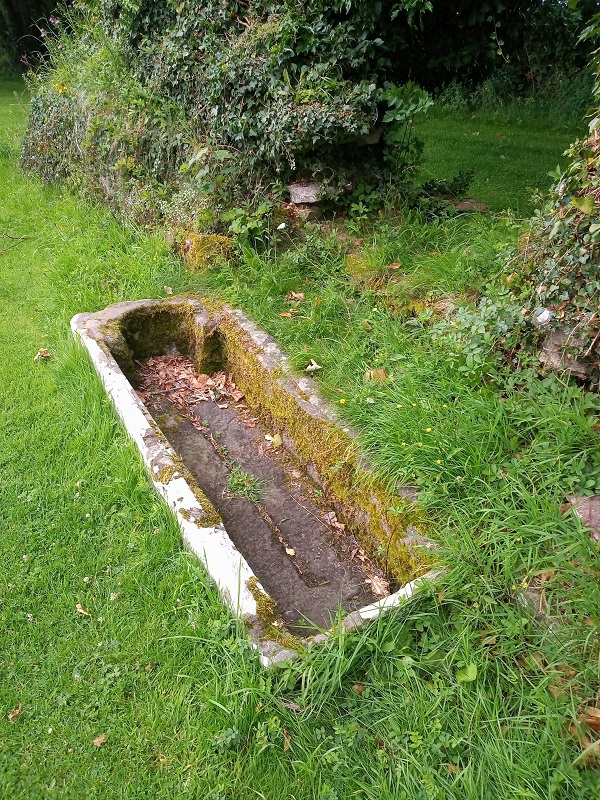
In the cool quiet of the Abbey ruins, trees and ivy hold up the remnants of walls. Old walls support vegetation and keep their secrets. Tread softly, slowly, let your thoughts be measured, as the sun moves the shadows across grass and stone. Be still. Wait. Centuries of contemplation hang heavy, and even the bees and insects of summer are subdued. Move on, quietly.

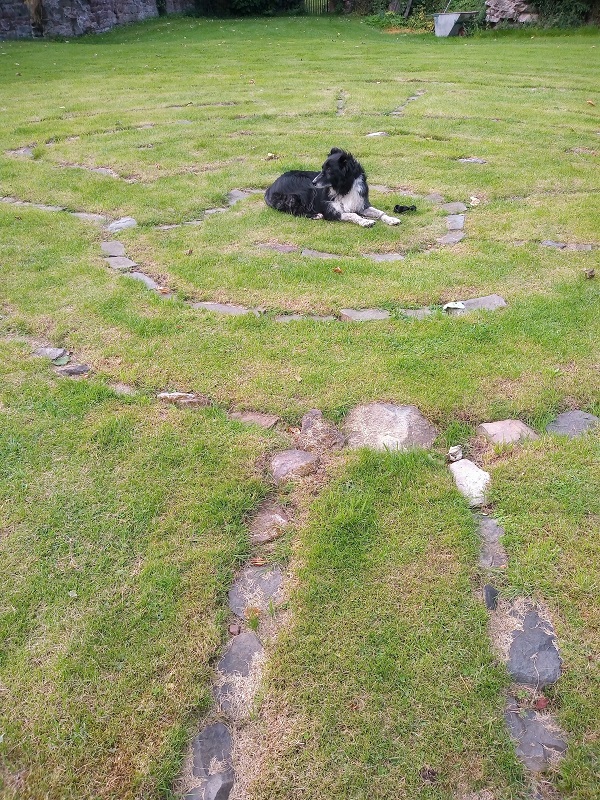
At the centre of the ruins, there is a Cretan labyrinth. Does it seem out of place? Follow its path – there is only one way – and do not cheat by stepping over the boundaries. Yes, you can see the centre, but you can also see there is nothing to gain when you get there. Just as when the monks of old walked their cloister, it is the journey taken, not the destination that matters.
When you leave, and come again into the town built on orchards, the world will shift again.