Walking Back the Way: Methil to West Wemyss

(It’s taken me a while to write this walk. I did it the day the clocks went forward, end of March, and today they went back again. My 14 year old collie died in early summer, and this was the first walk I decided it would be unfair to take him on, so it was a bit poignant; and weird not to have him beside me all the way.)

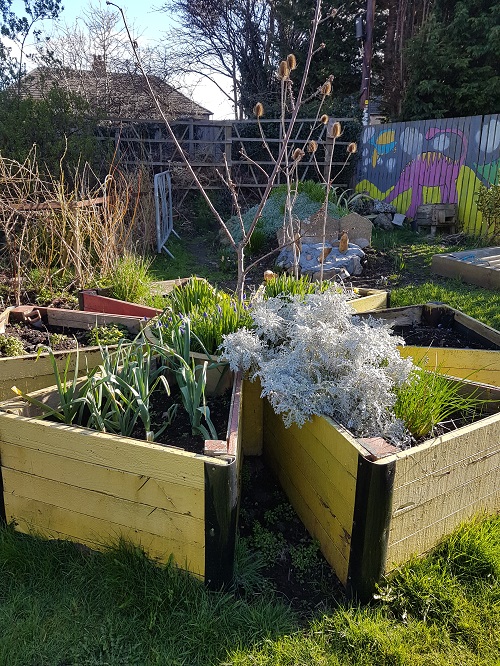
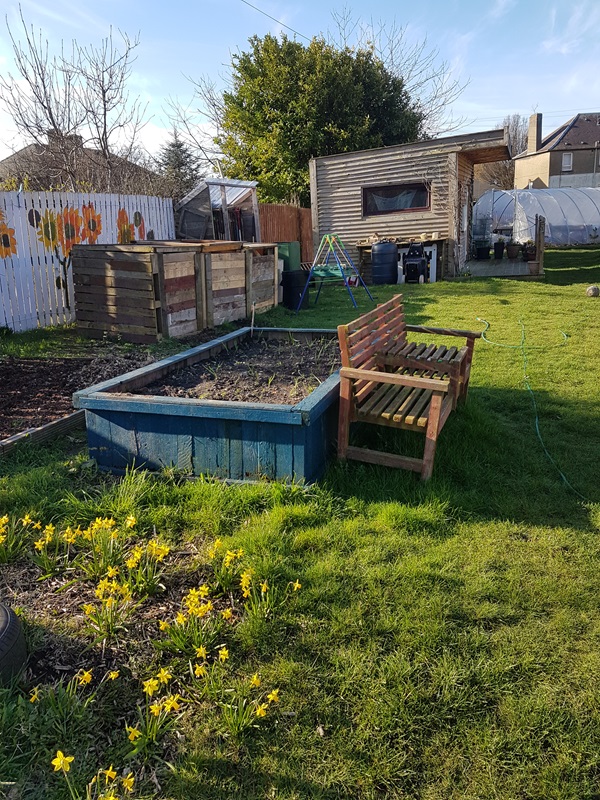
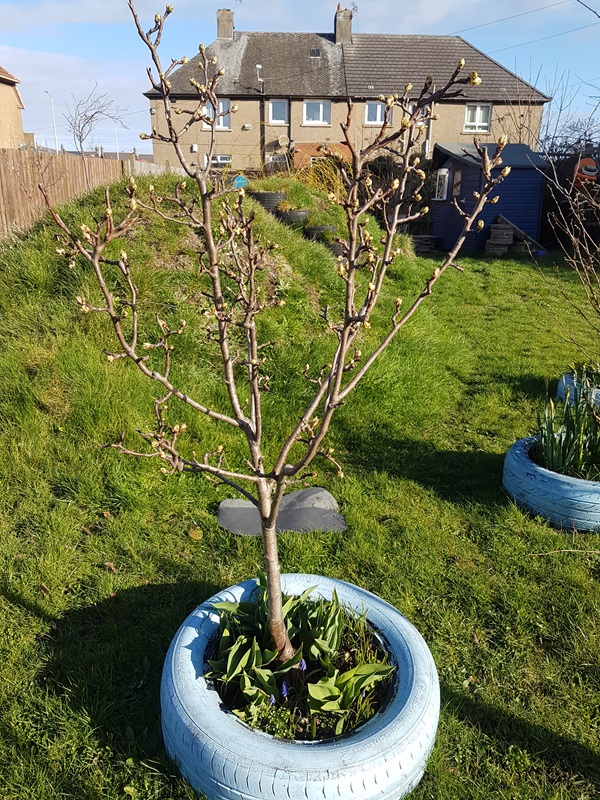
It began at the CLEAR Community Garden in Methil where I left Andrew to deliver a workshop. CLEAR stands for Community-Led Environmental Action for Regeneration, and is a very active charity whose stamp is all over the former mining towns of Methil and Buckhaven in Fife. We’ve worked with them a lot over the years – their compulsion to fill every available space whether roadside or cliff-top with fruit trees was one of the inspirations that got us into orchards in the first place. The Methil garden was pretty stunning; I had a good look round to admire the recycled materials, the superb compost bays (I do love a good compost heap) and pear trees about to blossom, before heading off into the cold, breezy sunshine.
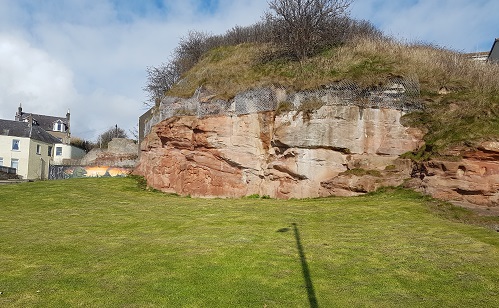
Zig-zagging through Methil, side-stepping CLEAR plantings on the edges of parks and in vacant plots, till the town had morphed into Buckhaven, or Buckhyne if you like, the place of superlative pies and hidden histories, from the extravagant exposure of Fife coast geology, the sturdy cottages of Cowley Street and relics of the long-disused mine railway – all explained in panels erected by CLEAR and Fife Council.
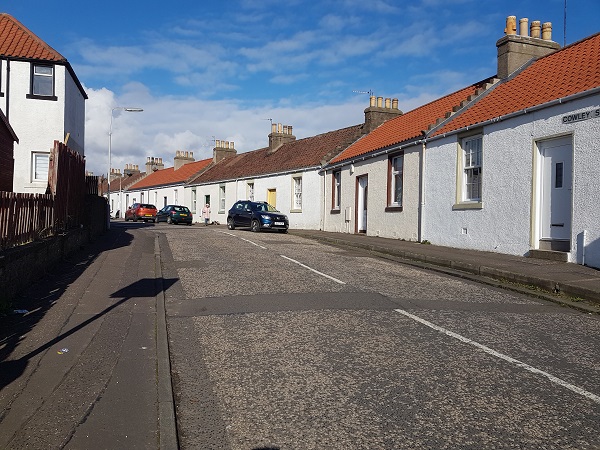
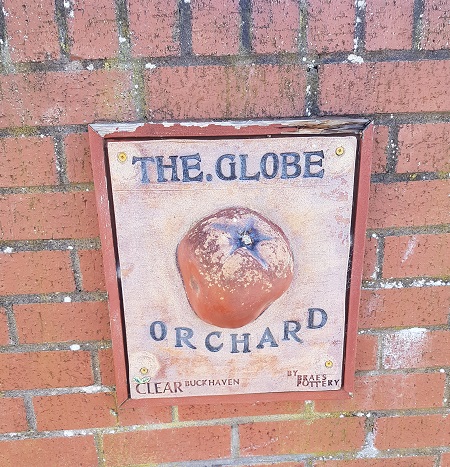
I’ve become rather fond of urban walking lately, for the unexpected quirks of history, and opportunities to see the extraordinary hiding behind the mundane. Here, I learned of the “lost village” of Buckhaven Links, which grew, mushroom-like, on the shore when the Church of Scotland had one of its fallings-out and mislaid a large part of its congregation. Buckhaven Links did not survive too long, and is now buried under the Buckhaven Energy Park, a darkly towering set of anonymous edifices over the wall from the street.
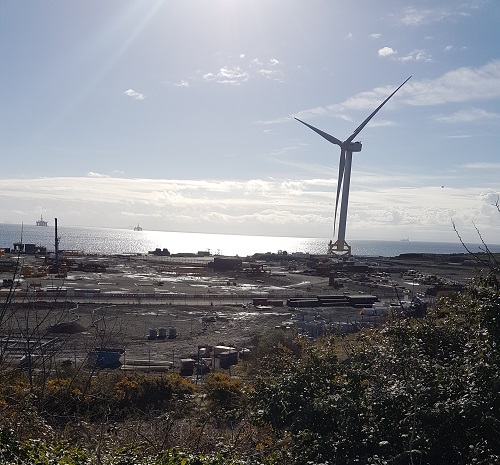
Buckhaven Energy Park

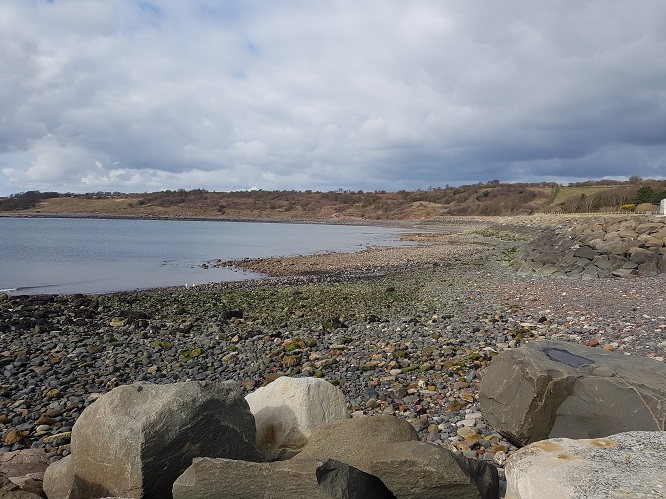
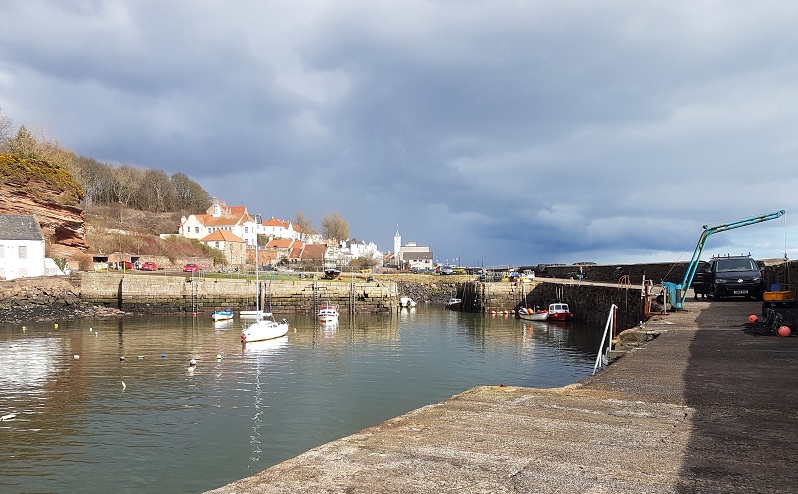
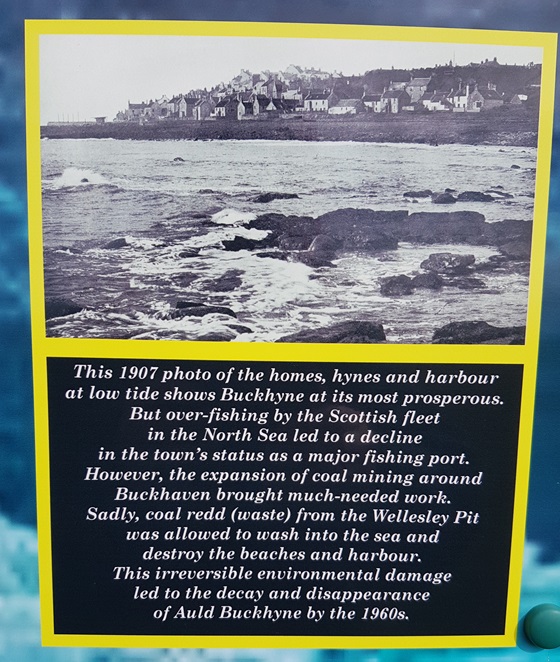
That road took me past rows of houses with signature Fife/East coast crow-stepped gables to where Buckhyne Harbour once was, until it was abandoned due to over-fishing and used as a repository for mining spoil. Beyond the harbour site, a scramble through rocks and there was the beach, for a while and pre-pollution a popular holiday and day trip destination for Fifers and those beyond the kingdom.
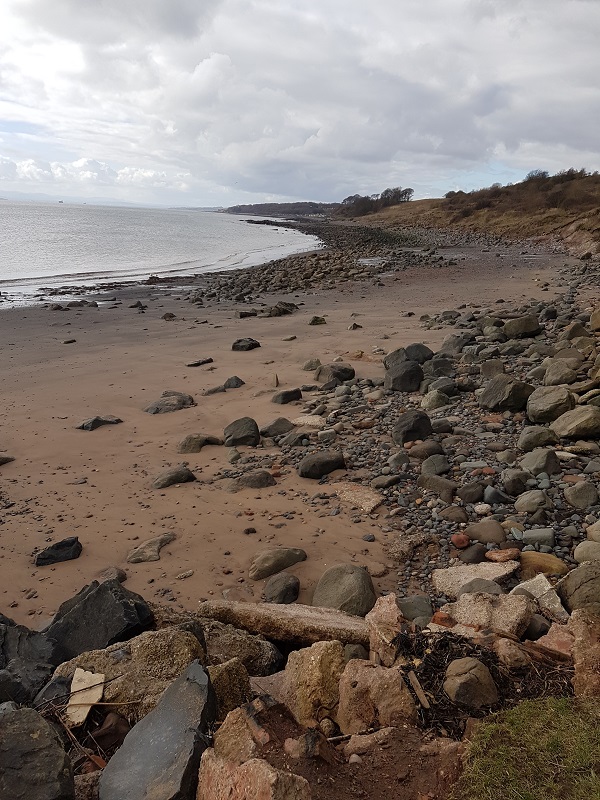
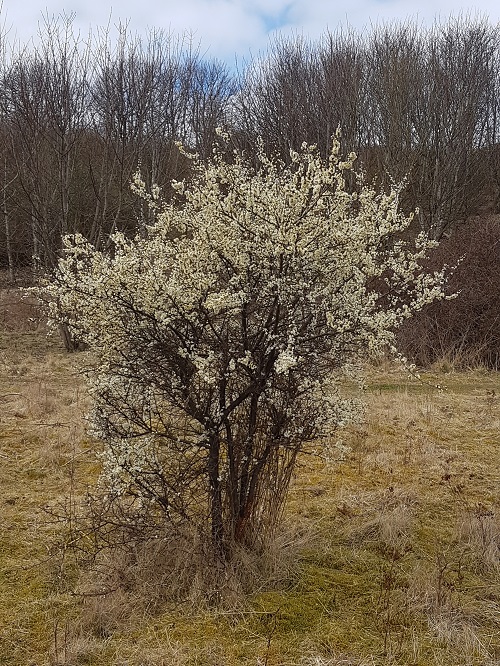
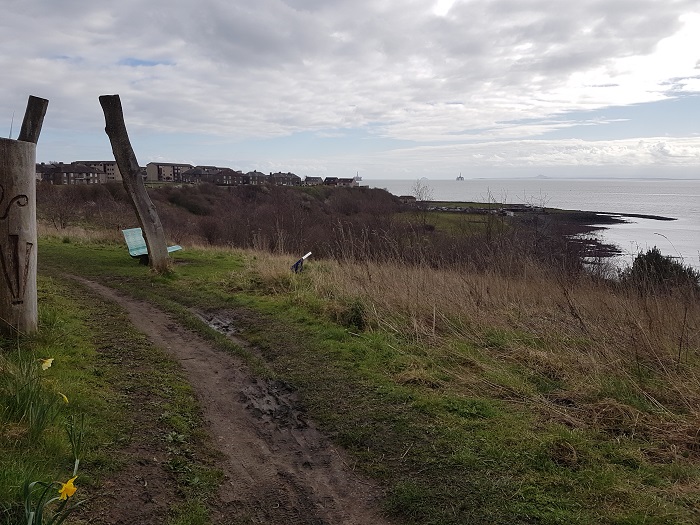
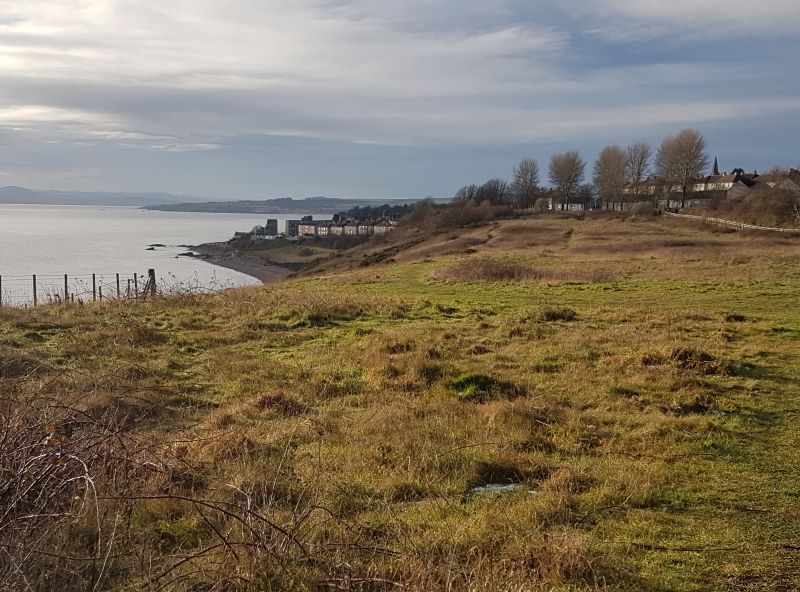
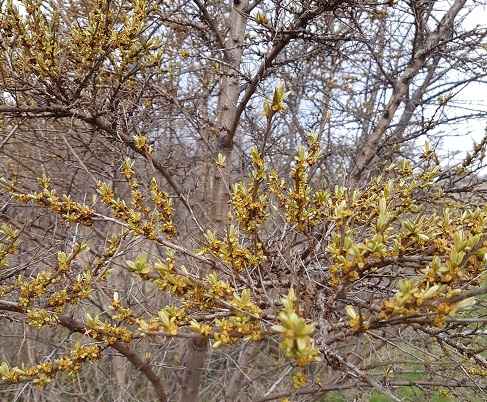
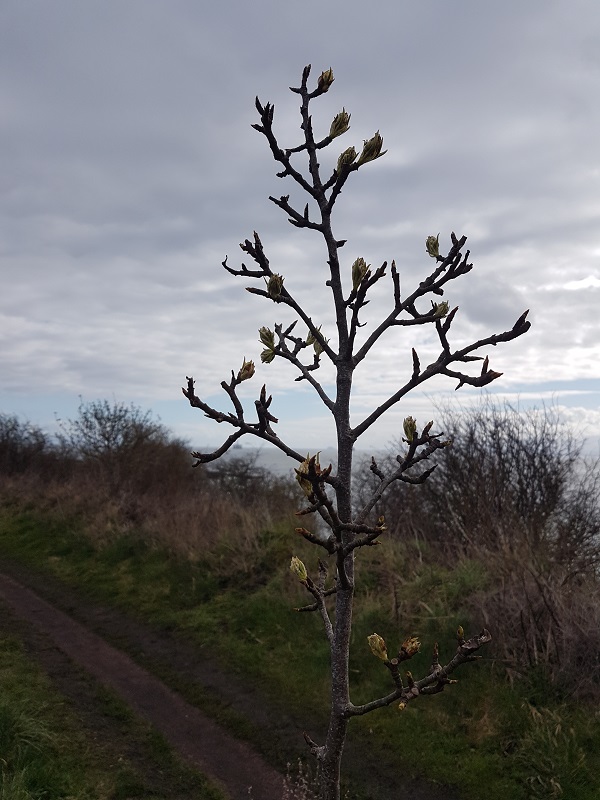
Up, then, climbing skyward the Buckhaven Braes, lit by the silver of blackthorn blossom and the gold of Sea Buckthorn, peppered with orchard trees, all labelled, all immaculately pruned and protected, the coast path lined with daffodils in flower, until this extraordinary little town was behind me and I marched along westwards towards East Wemyss.
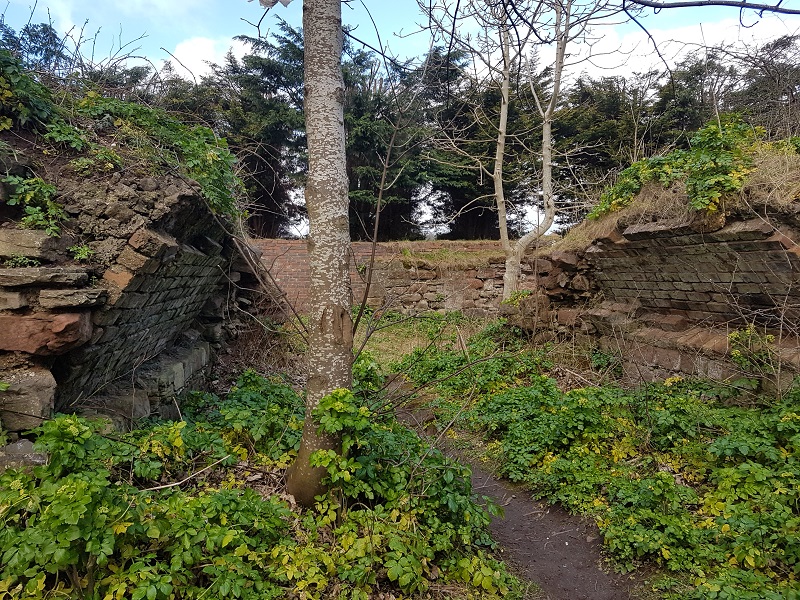
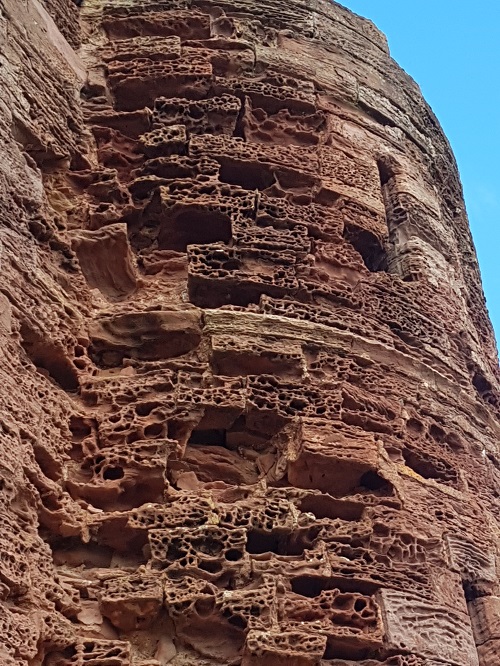
It was the East Wemyss caves that had been bothering me ever since reading that Val McDermid novel; not just to imagine fictional murders, but to see where Picts had carved strange images in bygone centuries, where people had dwelt, sheltered, hidden, picnicked and stored precious things. But first, when I passed through the woods, I came upon Macduff’s Castle – an impressive ruin whose stonework exhibited all the artistry of a carving, it is so tastefully eroded. All around its roofless vaults grew great clumps of Alexanders, a shiny-leafed, celery-like edible plant not native to these parts, but where it takes off, it does so with enthusiasm. I circumnavigated the castle before heading down the cliff to the caves.
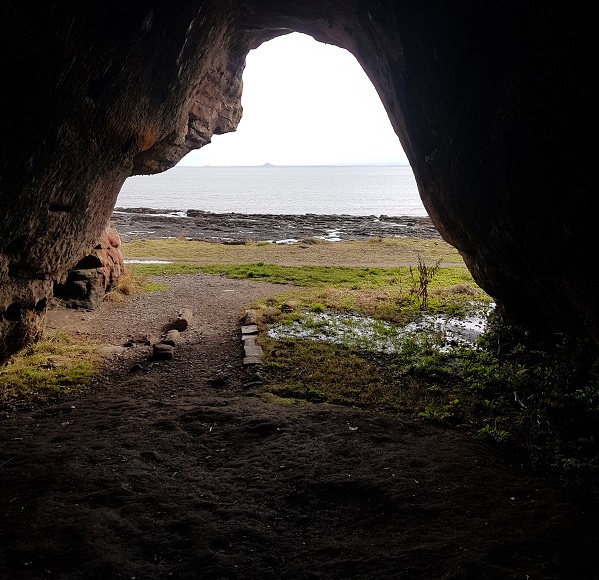
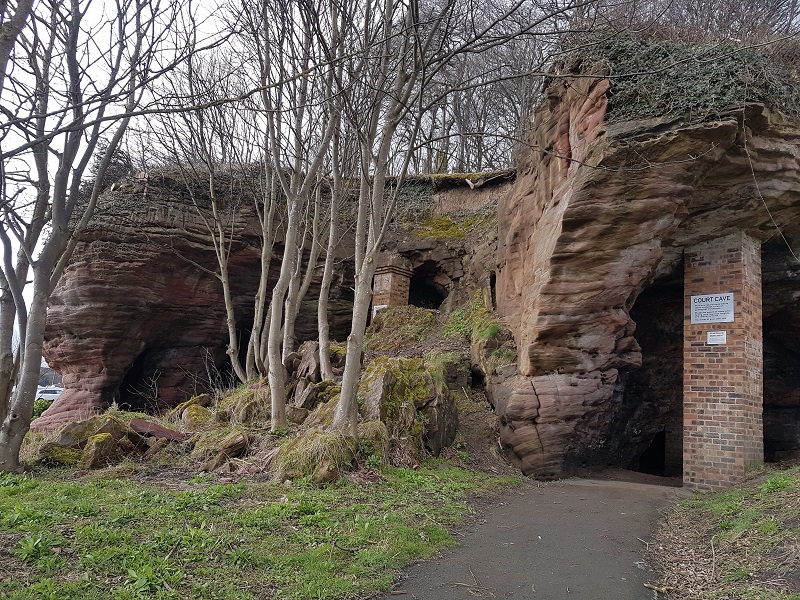
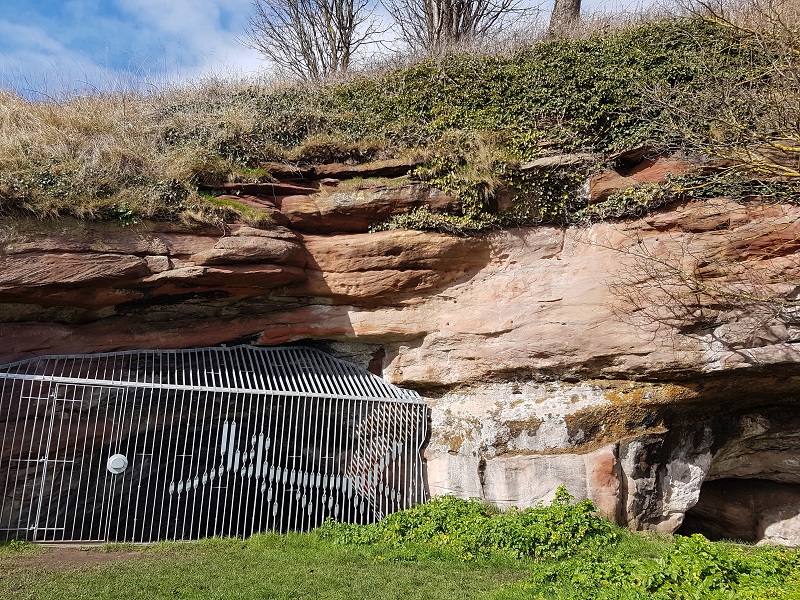
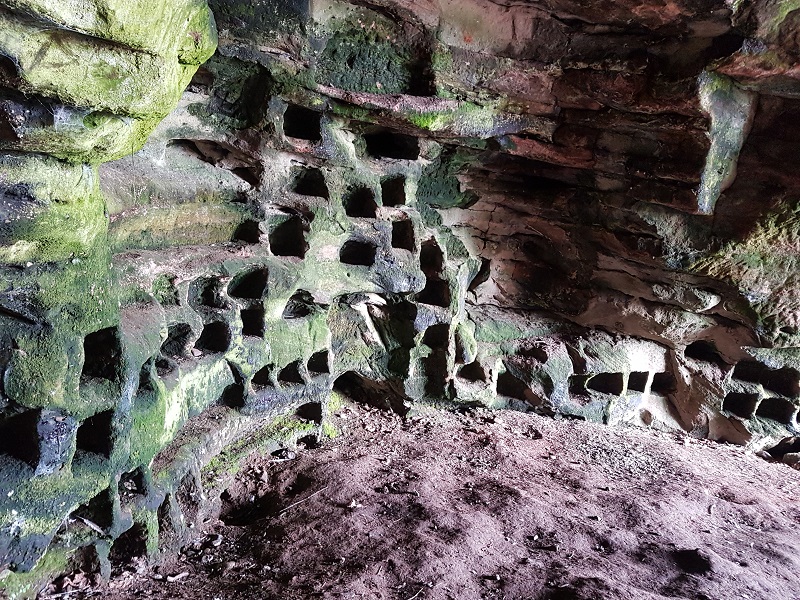
I had been warned that the best bits of the caves were gated off by substantial railings, in order to protect the ancient carvings. You can get a guided tour of them if you go to the museum in East Wemyss, but I didn’t want that today. So I stood outside Jonathan’s Cave and used my imagination instead, then stood inside the Doo Cave, where dozens of little cubicle nest holes have been carved out of the soft red sandstone to accommodate the doos, kept for meat and eggs in years gone by. At the large Court Cave, I did my exploring along with other visitors until my excitement subsided.
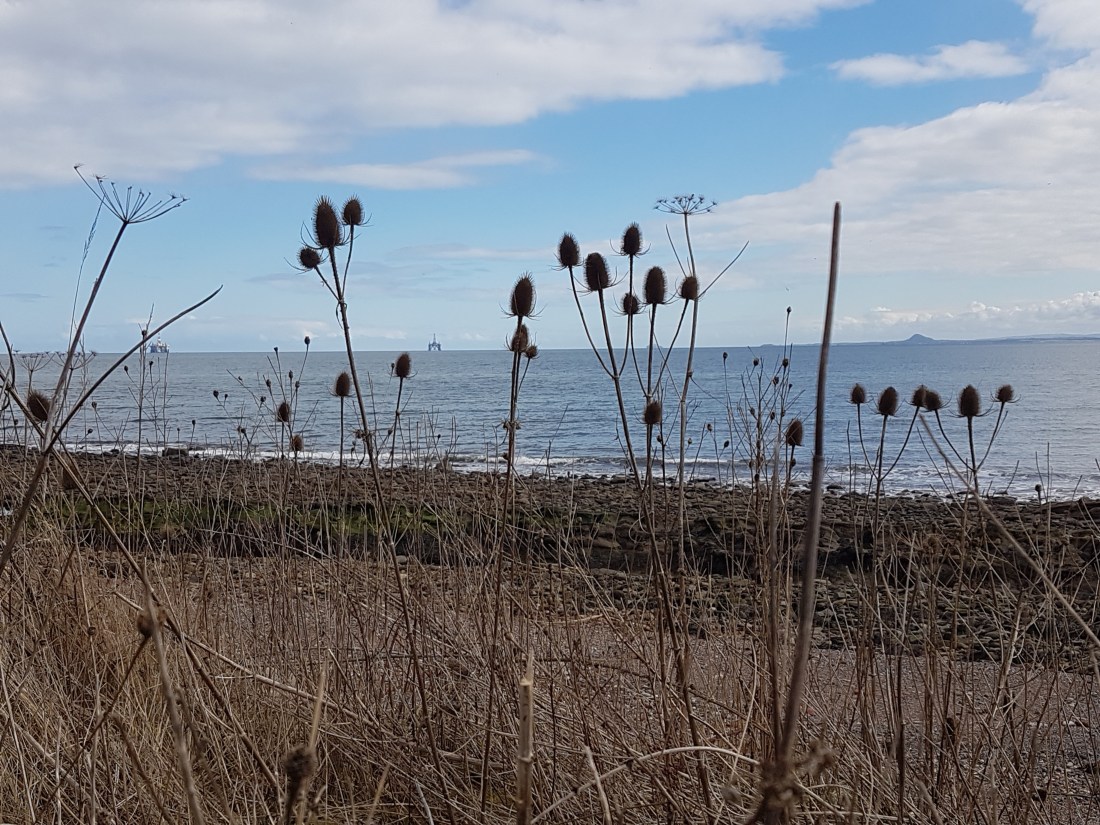
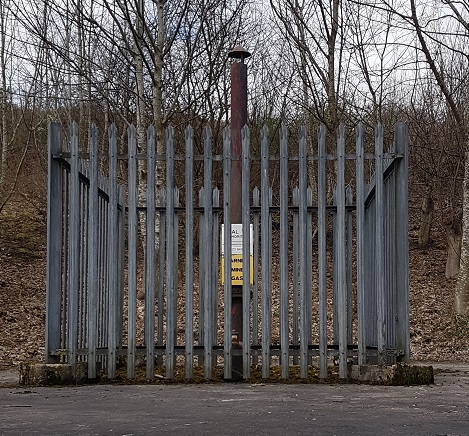
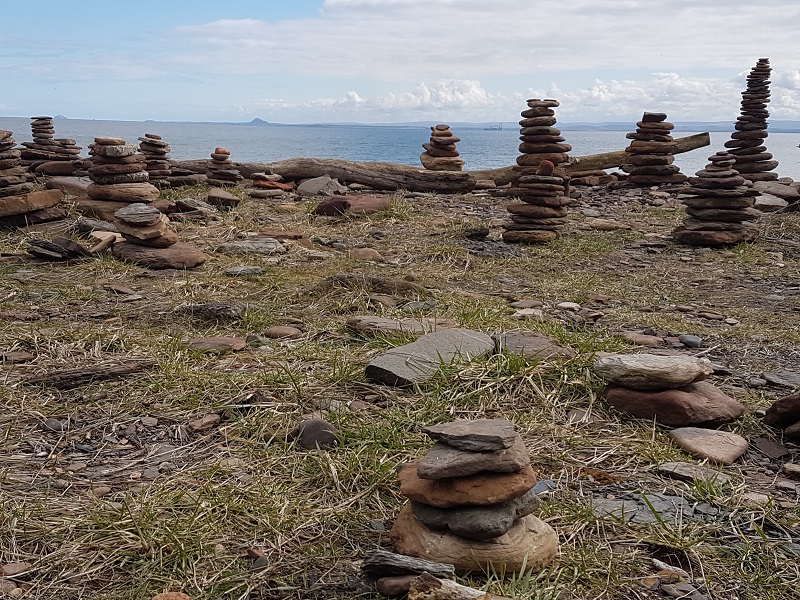
Then I walked on, the sunshine now spring-warm, past a gaggle of East Wemyss monuments and memorials, side-stepping mine ventilation shafts, to re-join the path by the sea. Rafts of eider ducks sailed by, making their weird, cooing, gossipy calls, and cormorants lined up on rocks. Strange but recent sculptures in stone arose against the skyline like sentinels; I added to them, noticing how the stiff uprightness of last year’s teasel seedheads mirrored their form. Under the precipice on which the relatively modern Wemyss Castle teeters, and I was into happy little West Wemyss, basking, and its lovely cafe for tea and a well-earned salad.
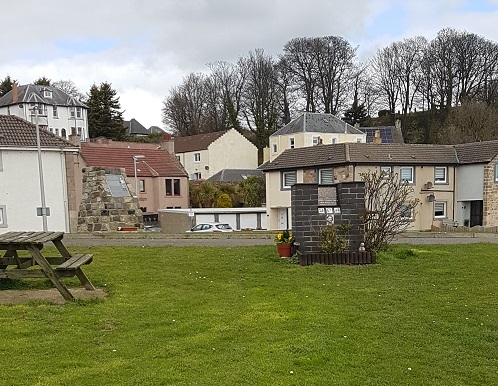
Looking forward to the next Fife coast exploration!
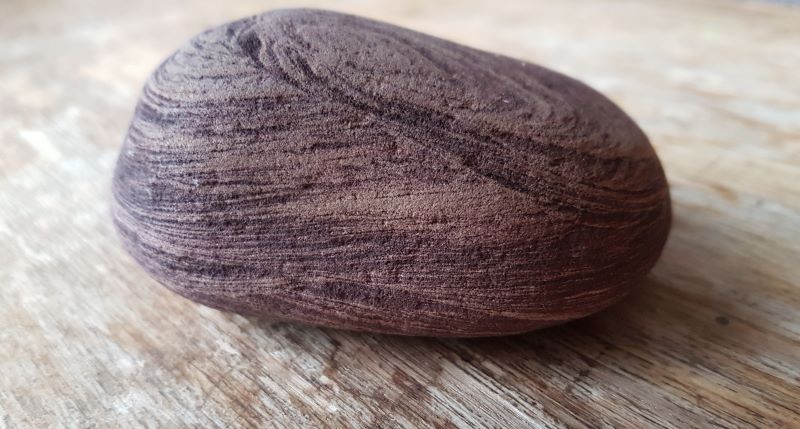
Stone from Fife

It was a cold day of freezing fog and dull skies here on the Perthshire fringe of the Highland Boundary Fault, impenetrable and forbidding. So I went to Kirkcaldy with Andrew for the ride, and because if we’re looking for better weather, Fife or Dundee are our go-to destinations.

While he was busy pruning trees at Ravenscraig walled garden, I marched down the hill to Dysart harbour, and set off eastwards along the coastal path. Visitors to Fife usually end up either at St. Andrews or the picturesque East Neuk fishing villages, giving the old coal mining settlements of west Fife a wide berth. But I was deeply embroiled in a crime novel by one of my favourite authors, Val McDermid, at the time, and wanted to inspect the haunting locations described, where fictional things had happened and fictional people had so convincingly disappeared, for myself. In so doing, I soon met the ghosts of this once-thriving industry, and the sensed the buried but unforgotten lives of the coal towns and their protagonists.

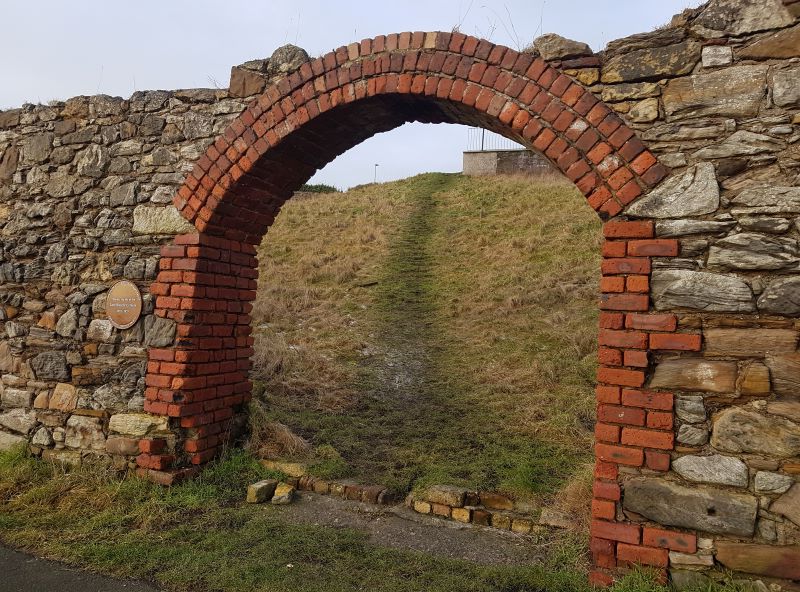
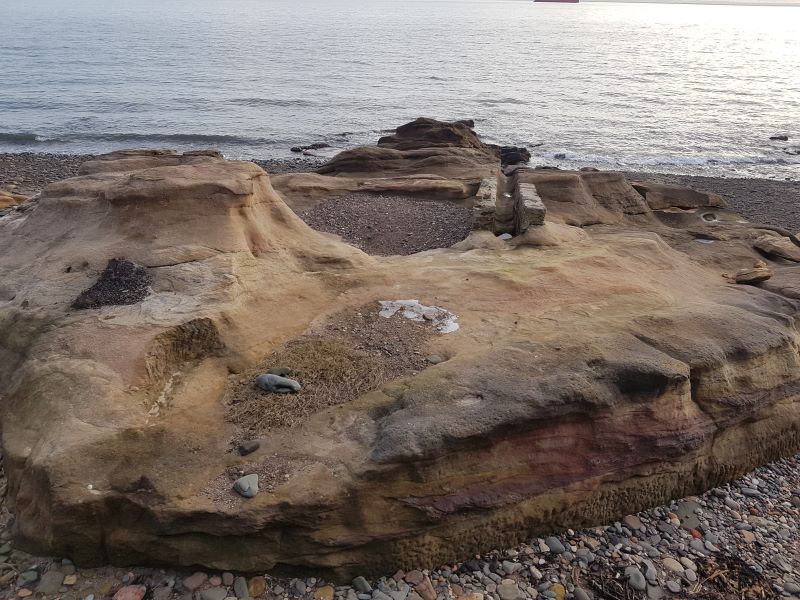
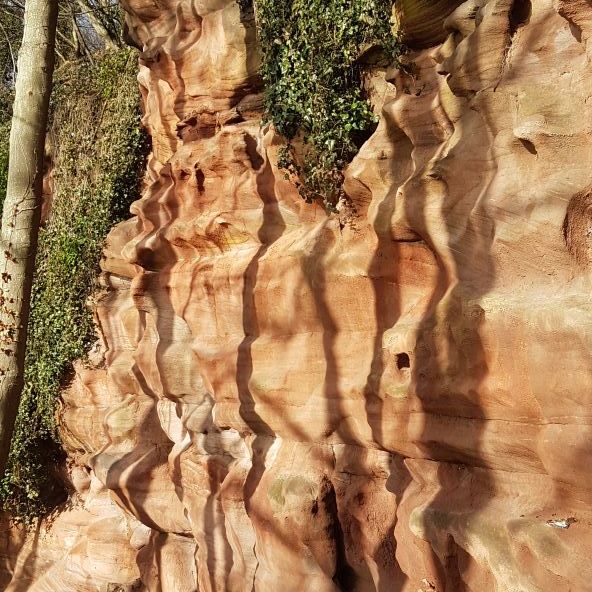
A brick arch in a collapsing stone wall, a desire line path passing through it towards some dilapidated buildings, was all that marked the site of the Lady Blanche Colliery. I walked quickly along the fringe of the beach, where great outcrops of red sandstone, eroded into surreal shapes, looked soft enough to sleep on. Coal seams are found as a layer in a fairly predictable array of sedimentary rocks; where you find this sandstone, you are going to come to layers of  shale and mudstone and where they end, you are likely to find the black stuff; ancient plant material from the Carboniferous, compressed by the weight of the rocks and the seas that came to swamp the landscape. Coal. You still find lumps of it, wave-worn, on Fife beaches. Through the middle of one gingery sandstone outcrop a channel had been dug seawards, emphasised by two sturdy walls. Something to do with the mine, or the fishing? I’m no engineer, and couldn’t work that one out.

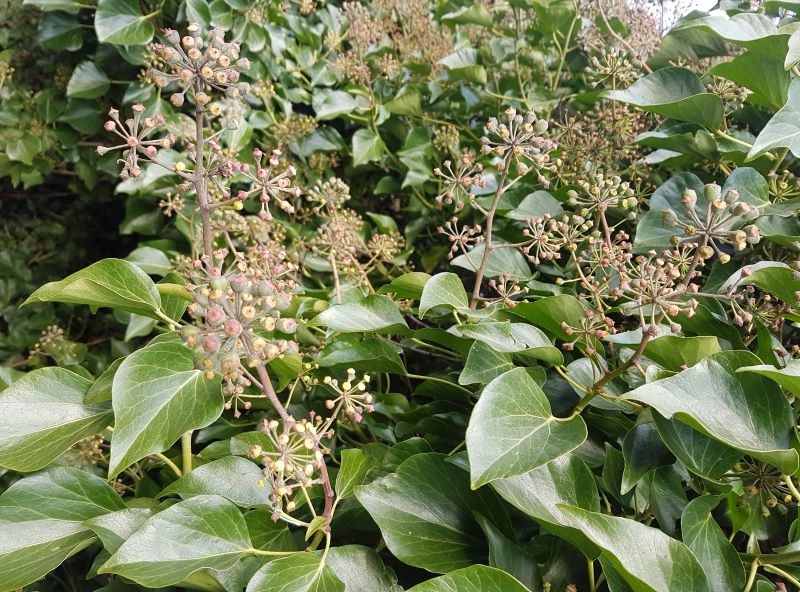
The path veered inland and upwards, skirting a barren-looking stretch of eroding land. I smelt the Winter Heliotrope before I saw the flowers and the foliage that cloaked the steep cliffs. It’s a garden plant, that when it escapes, does so in style and quickly naturalises, especially in difficult sites and thin soils. It is so sweet-smelling you feel for it, flowering away in January when pollinators are scarce, and self-respecting native Scottish wild flowers are keeping their powder dry. But a little further on, I found wild ivy with some flowers on, too, draping itself luxuriantly over sheer cliffs. It usually flowers in November and December – valuable late nectar for bees – and by January bears ripe berries cherished by wild birds. But this was Fife, remember, and Fife does things differently. Already, the temperature was rising and a watery sun floating in and out of tangibility above the Firth.

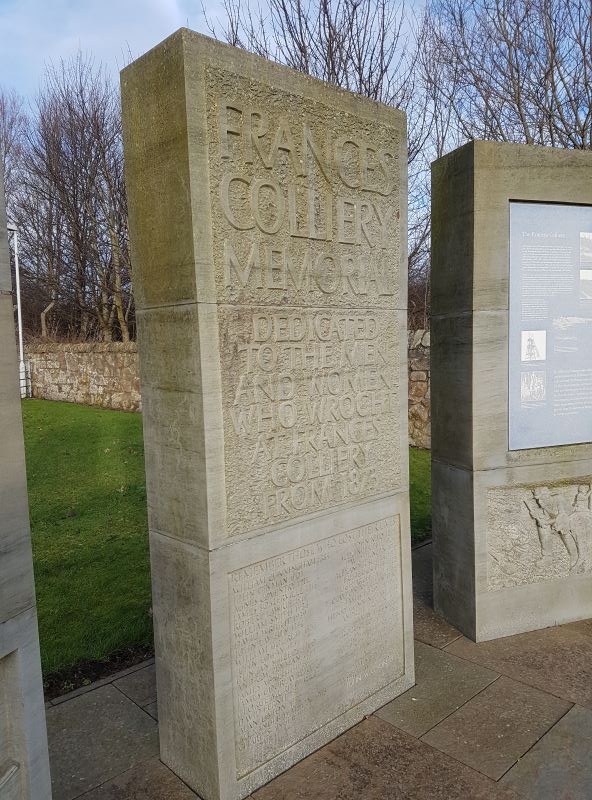
On the very edge of Dysart, I found a striking monument to the miners of the Frances Colliery, bearing the names of all those who had lost their lives there. I found myself muttering the names out loud to myself. What a life it was for miners and their families, the precarity, the solidarity, the tragedy. Something often romanticised, yet here was the bald truth; people died, regularly. Among the names, one jumped out. Agnes Coventry, died 1911. What was a woman doing to get killed at a coal mine? Later, I found out, from the fabulous Durham Mining Museum website, that Agnes had been working at the picking table “when bending under a revolving shaft to reach some dirt which had been lifted off the tables, her clothes were caught by the shaft, and practically torn off. She was removed to the hospital and appeared to be progressing favourably, but she collapsed and died late the same day from shock. The shaft was cased in, but one of the boards which had become loose had been removed and not replaced.” Coal does not just claim its victims underground.

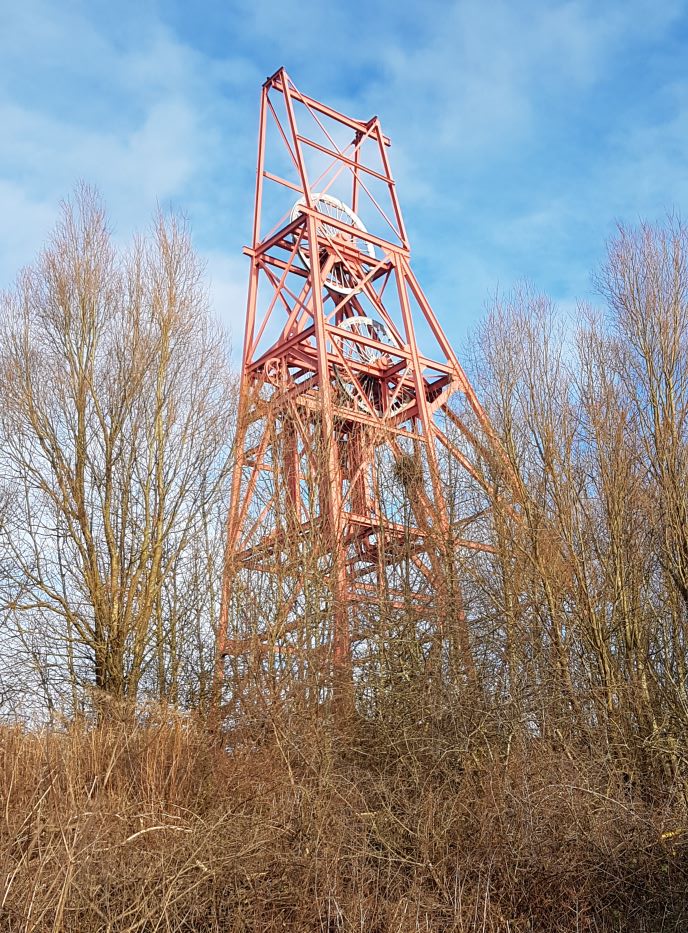
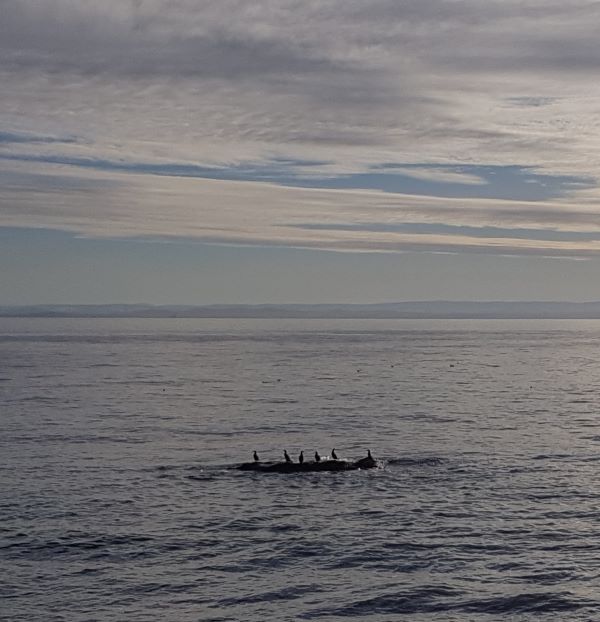
At the top of the cliffs, the path skirted a sinister looking industrial estate, and passed the winding gear of the old colliery, towering over the landscape and lives it once dominated and frowning down on what was now a shimmering sea where strings of cormorants stood drying their wings on half-submerged rocks. The sun, between streaks of cloud, coupled with the uphill climb to tell me I had too many layers on. I took off the thick, fleece-lined woollen jacket under my impenetrably water and windproof coat and stuffed it, protesting, into my rucksack.

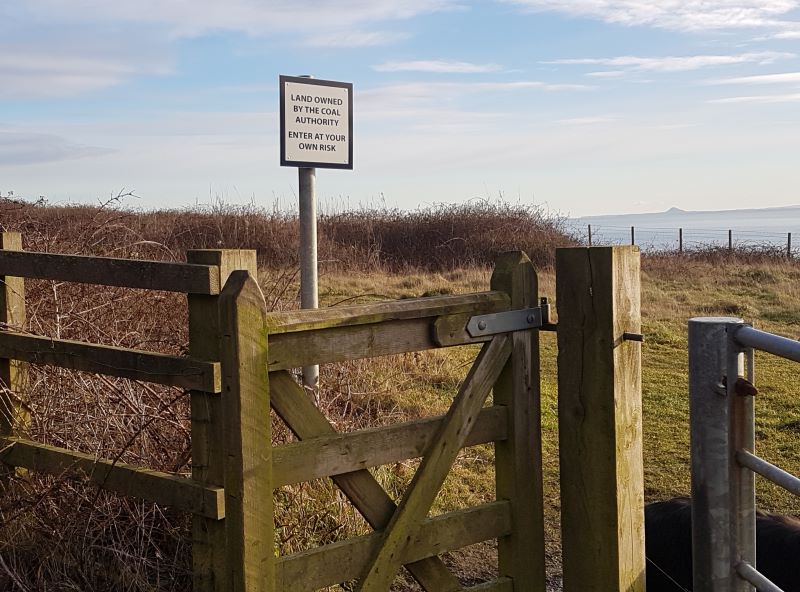
There were great stretches of January-whitened grass and sunken hollows between the path and the cliff edges, badly fenced off, punctuated by warning signs declaring it the property of the Coal Authority. In the distance, several walkers had ignored the proclaimed dangers and were wandering along established desire line paths or admiring the sun-kissed view back towards Dysart. What lay beneath their feet? I ventured through a gate onto the headland for a bit, but soon returned to the path, spooked by signs about sheer drops and risk of landslip.

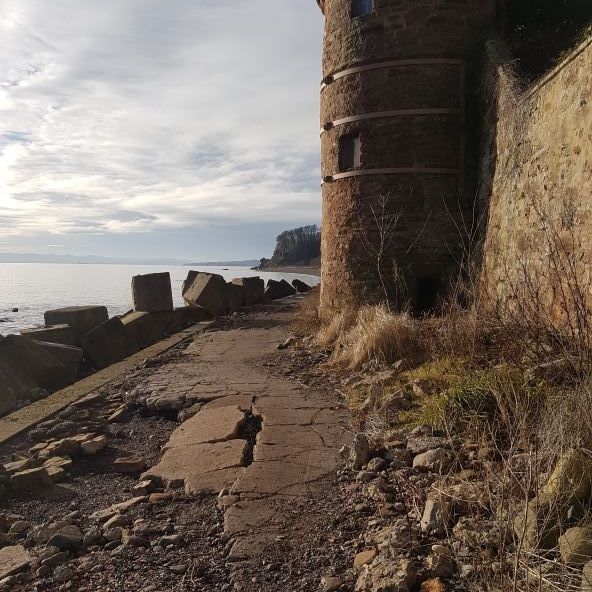
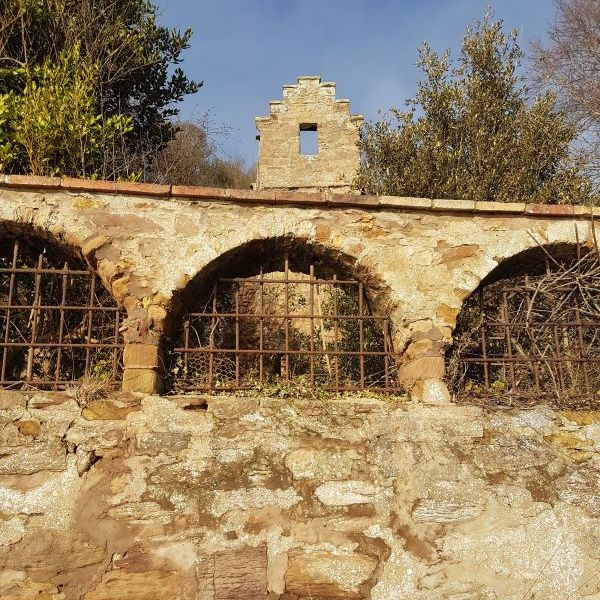
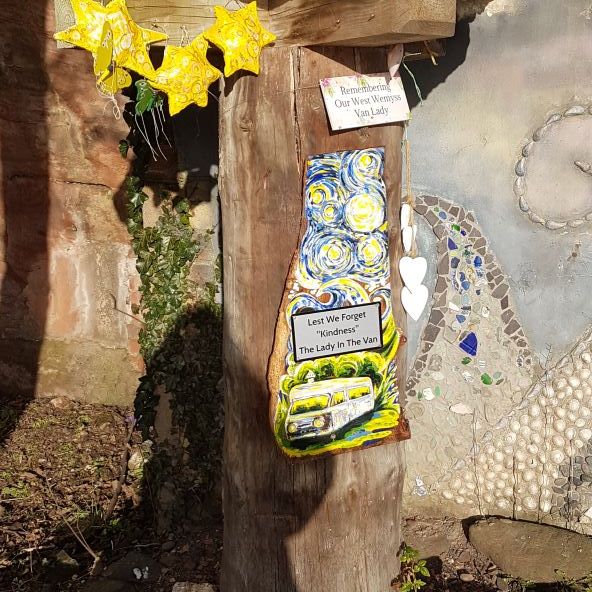
An extraordinarily long and winding set of concrete and stone steps led me back down to sea level and a length of tangled woodland. A solitary raven cronked bad-temperedly overhead at my intrusion into its territory. Before reaching the village of West Wemyss, the path became a rough and potholed concrete track, passing under a turreted wall whose strange arching windows with their keep-out-of-my-land metalwork permitted a peep into the overgrown Wemyss Chapel gardens. Near the harbour was a more homespun and inclusive space. Named as “Alice’s Fairy Garden” on the map, it seemed to be a melding of community projects – artwork and murals, flowers, strange odds and ends aimed at the fairies, and a memorial to “our West Wemyss Van Lady” – whose body was discovered in a campervan in the village car park in 2022. The moulded red sandstone cliffs and overhangs were the backdrop to this little patch, and to me they spoke loudly, with streaks of wind-blown layers and bedding planes, and the contortions wrought by the erosion of this soft, mellow rock.

I walked on, hugging the shore to Wemyss Castle, but I was running out of time, and there was a café in West Wemyss that I was glad to return to for delicious soup and a pot of tea, before retracing my steps (yes, even the forbidding stone staircase), past gangs of nosy seals and far more people, now that Fife had fulfilled its promise of sunshine and winter warmth, to Ravenscraig. I stopped on the beach to gather my personal stone from Fife, and found one that encapsulated the properties of the big sandstone outcrops in miniature.

Wemyss Caves, and the stretch from Buckhaven to East Wemyss, will be covered in the next few weeks. It was an eye-opening walk, a thought-provoking one… that centred not only on a landscape but the people who have been, and are, part of it. I don’t know many ex-coal miners, but I do know a few. They are straightforward, confident, cheerful and clever people. They make the very best gardeners and growers.

Glacial Loch: a Tale of Horizons

Loch Leven in Kinross-shire, along with Clunie Loch and Loch of the Lowes (and the ospreys) in Perthshire, and Scotland’s only Lake, the Lake of Menteith in Stirlingshire, was scraped out by glaciers in the Ice Age, then filled with sand and gravel as the glacier retreated – and hence is shallow, broad, wreathed in strange mists, and horizontal in tone. Wide enough to be a honeypot for thousands of wildfowl in winter, secret enough for a Queen to be imprisoned on one of its islands, shape-shifting and elusive enough for ghosts and rare species.

lochleven1

Walk around its margins; there will be places from which the opposite shore can barely be discerned. Go on a grey autumn day when the rain in the air seems suspended in horizontal bands, and upsurging clumps of grass and reeds appear discordant, almost angry in their violation of the horizontal.

lochleven4

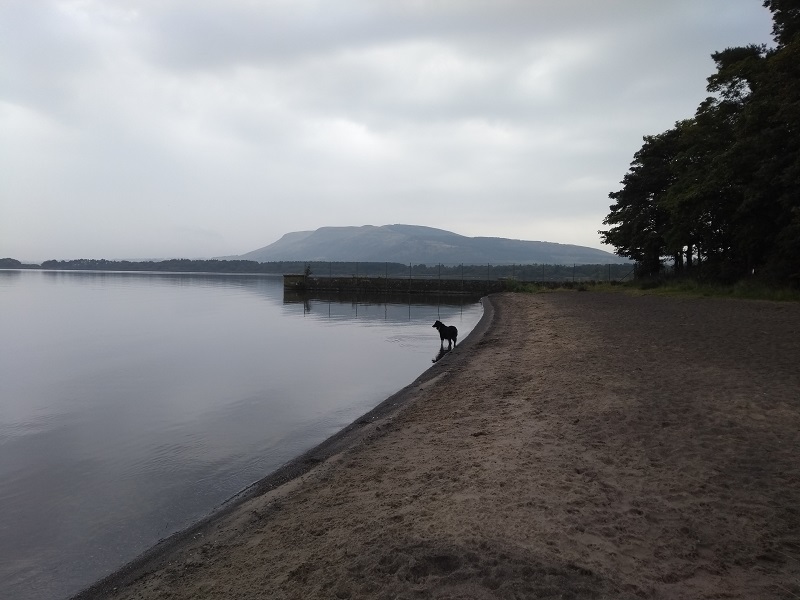
Here and there you’ll find beaches, sandy from the glacier’s retreat; the wind makes small glacial waves that smell of no sea but fool the dog – and then it becomes still. Bands of horizontal clouds are reflected in the mirror surface of the water; subtle stripes of cream and grey and black and white, settling on the horizontal tops of the surrounding hills.

grassofparnassusPockets of peaty marshland, studded in autumn by vivid blue sheeps’ scabious and emphatically solitary flowers of the Grass of Parnassus, spiral around flat pools of oily water, reflecting snatches of sky. Larger raised bogs, pillaged in previous centuries for their peat, lie flat and sullen. When the peat was no longer wanted, they grew conifers on the “useless” land. lochleven5Now the conifers are retreating after the long-forgotten glaciers; the water returns; dragonflies, amphibians and sphagnum once more fill the horizontal expanse between the forest.  Heaths and ling guide the trespasser to the dryer paths, and felled branches bridge the bog where water maintains its horizontal sovereignty.
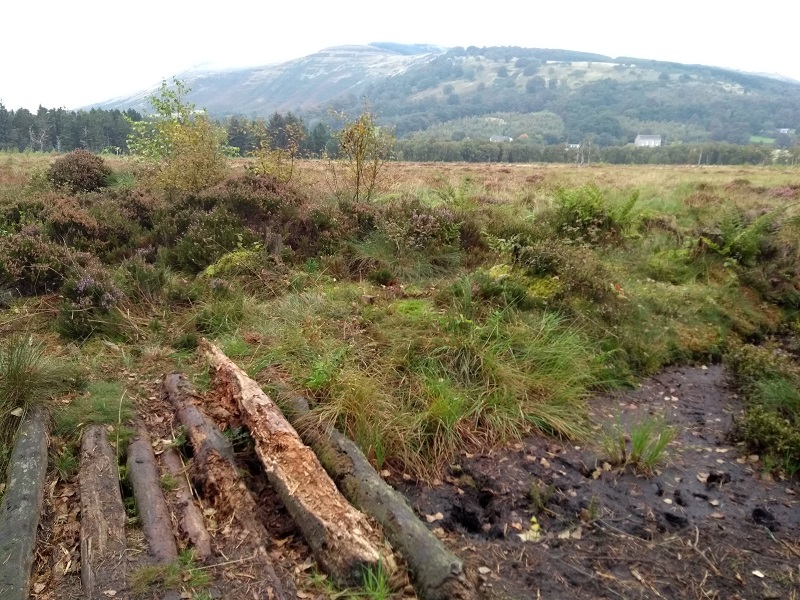
lochleven6In fields by the loch, the damp rises in horizontal layers, coating logs and stumps and gate-posts with moist, green mosses and algae. In one field a whole tree fell, years ago. In this damp environment it has not died, but adapted to its horizontal status and continued to grow; a miniature forest of shoots, epiphytes and primitive plants along its horizontal trunk.
lochleven2

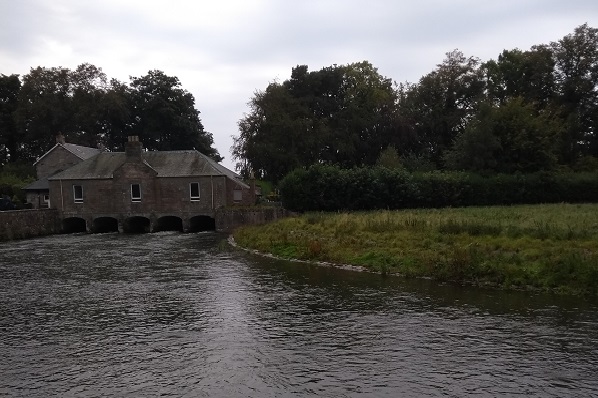
The old river, the Leven, first to score a path through the glaciated landscape, tears out of the loch at the Sluice House, which straddles it, flat and low, and flows out to feed Fife, rural and industrial. Its lines are also straight and keenly defined; kingfishers dart horizontally beneath overhanging branches. Ripples march in military formation downriver.

Quiet, grey, the glacial loch behind you retreats into its bands of mist, its unseen wild occupants, its secrets and loveliness.

lochleven3


The Forest on the Beach

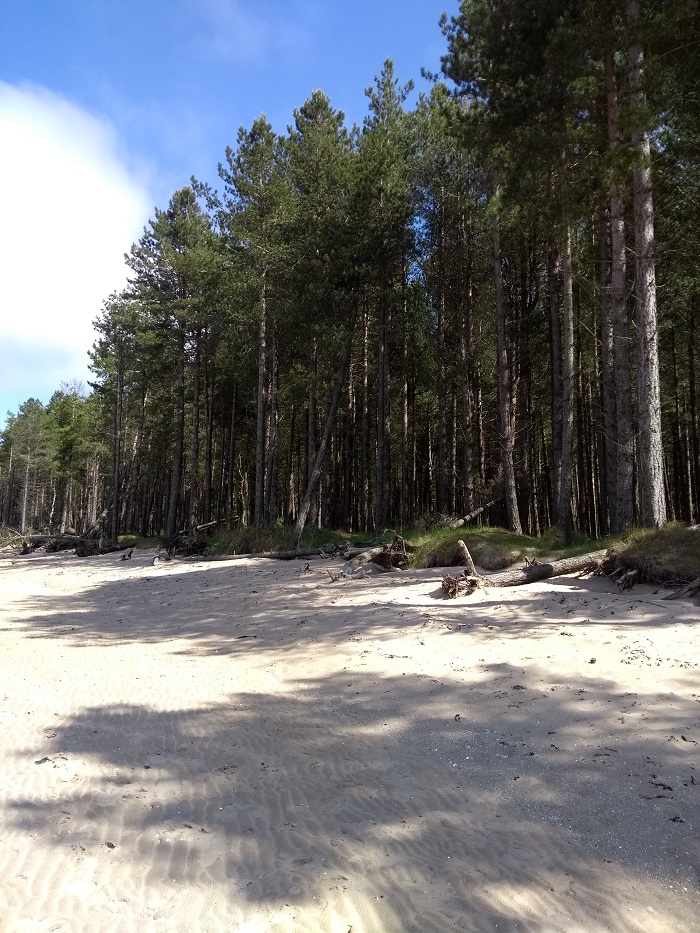
It’s a man-made entity, on the face of it, this forest merging with the shifting sands of a vast, energising chameleon of a beach. Planted once in an orderly and respectable fashion, tall pines rise obediently from thin, infertile soil and duly make timber. Deep inside, away from salt winds, they have done as they were asked. They have stabilised the soil, reached for water, made partnerships with their own particular fungi. They are the forest they were asked to be.tentsmuir3

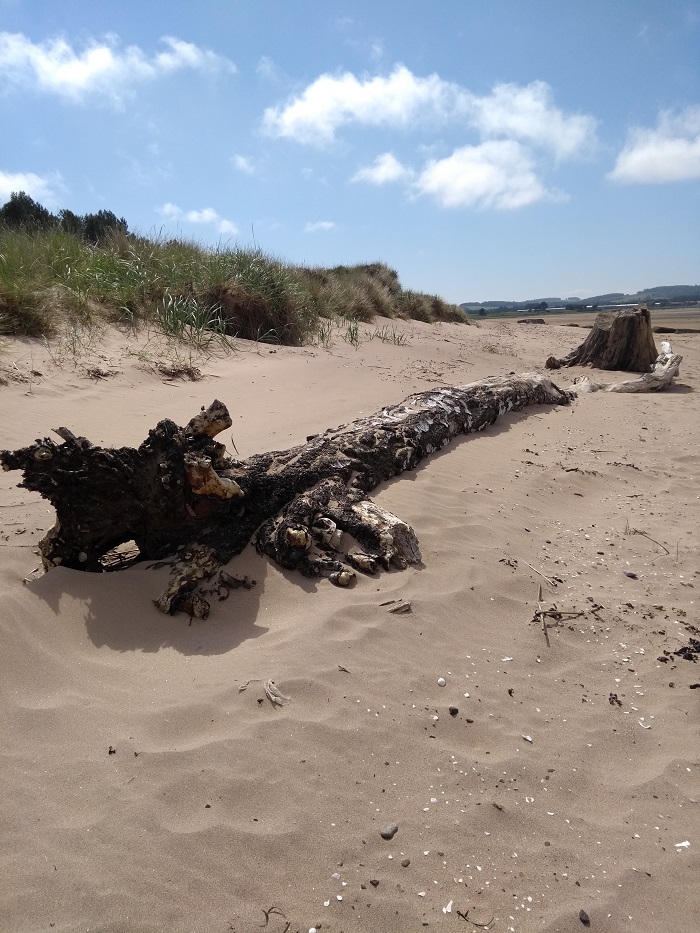
But on the edge, where the horizontal reigns in the landscape, where the sands continue to shift and grow, retreat and fail, and merge into mud, they cannot sustain their sheer verticality. Bald-headed individuals hesitate, stagger, lean, tip and fall. Blasted by sand, they desiccate, warp. They become subjects of the horizontal, their limbs curl and contort, sculpted by vicious winds from the sea. Beautiful in their carved and etched simplicity of form, they lie frozen in the hot, drying sun.

The forest on the beach shrugs off its manufactured origins, and enters the wild.

tentsmuir2

The beach goes on for miles before the trickling waves are reached, even when the tide is high. At the point, it is a self-contained, secret world, traversed near the forest by tracks through the dunes made by a largely secretive population of animals, including domestic and human. The tracks join and separate, re-unite, diverge, vanish into long grass or an unexpected creek. They seem to make no sense.

Do shipwrecked sailors still dwell in tents among the dunes? Where are they hiding?

The dunes and butterfly-filled dune slacks, where wild thyme and cross-leaved heath celebrate summer, give way to wide, subtly merging, littoral zones of shimmering sand. Eventually, wave-patterned beach and tidal inlets signal that the old sea is near.

puffball

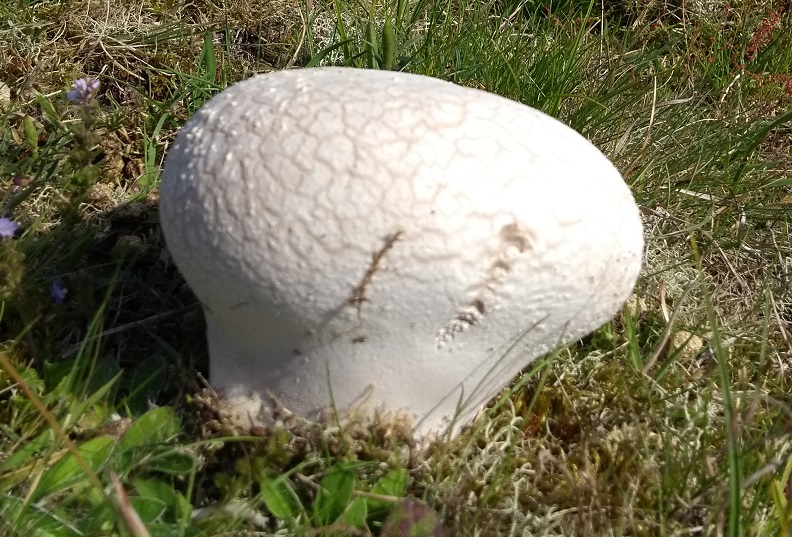
Curiously, between the two, right in the middle of the beach, there is a small wood, mainly made up of towering, stag-headed alder. Under it, stunted or dwarf willows (who knows which?), broom, tall grasses, flowers. Unlikely eruptions of puffballs appear where cows have grazed. There is quiet shade, a rustling of leaves louder than the still far-off sea.

How did this little wood get here, in the middle of a beach? How long has it been here, where once was ocean? Will it survive long enough to bear fruit?

Then, movement from the bushes below the alders; an indelible assertion of dark brown hide against sun-washed grass and striated shade. A deer is moving through the little wood on the beach.tentsmuir1