
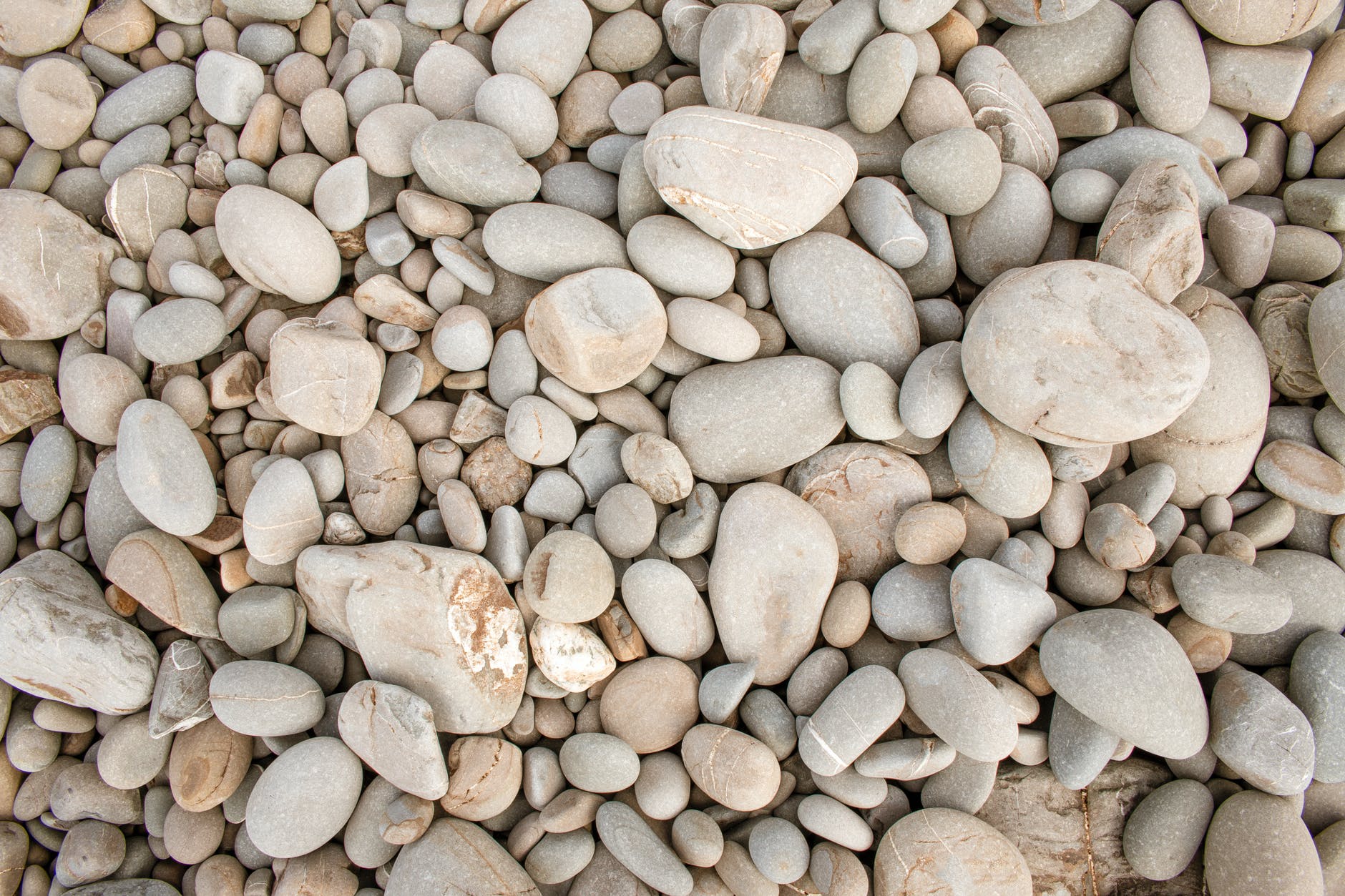
I always liked stones. I collected pebbles on the beach from childhood, and in my teens followed my sister around Ayrshire beaches where the pebbles had magical names – jaspar, carnelian, agate, onyx. I went to the Leadhills in search of galena. I polished stones with carborundum, to little effect.
And, secretly, I developed the habit of having a special stone, of no particular value save that it caught my eye and fitted in my palm, in the pocket of every jacket.
I liked big stones, too, stones with human names and imprints – the menhirs of West Cornwall, the cairns and ring-marked rocks of Mid-Argyll, the carved stones of Pictland. I had no better idea than any expert why they were placed where they were, or what the painstaking sculptures were for. But I knew the people who made stone circles kept pebbles in their pockets, too.
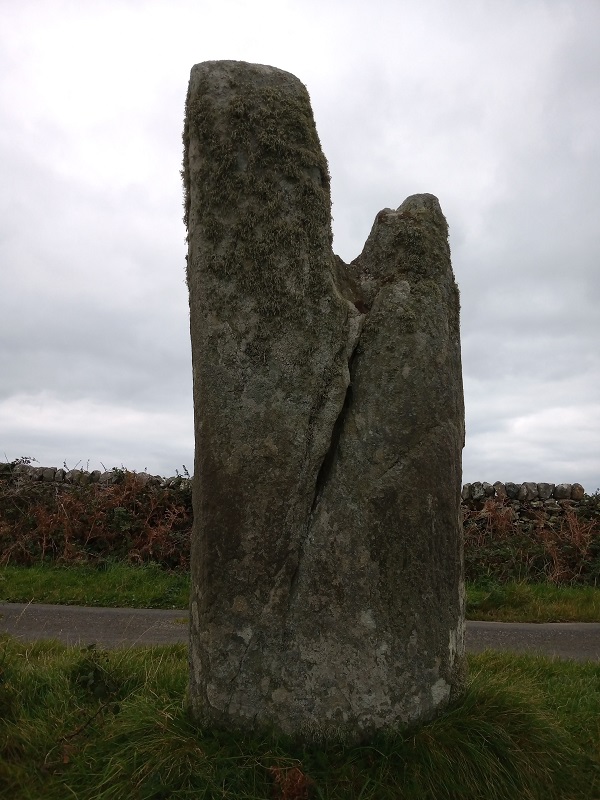
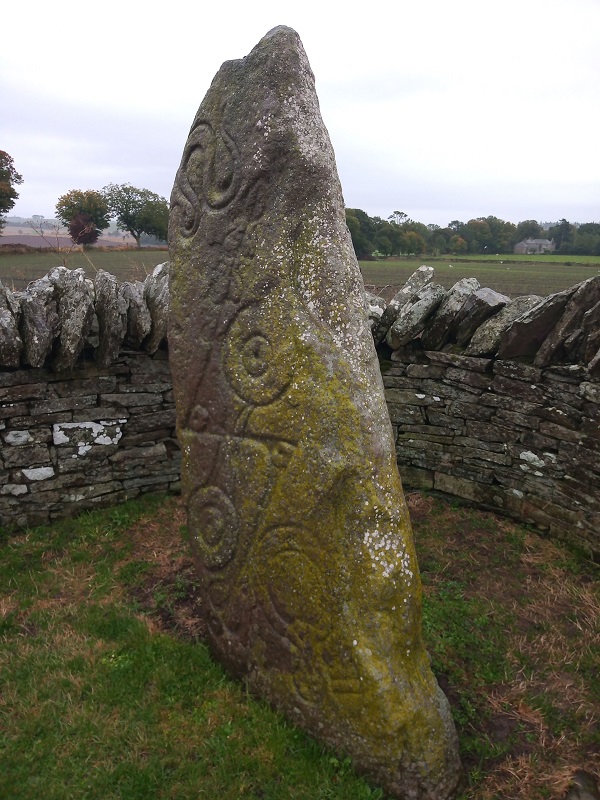
In some kinds of stone, I invested more thought than in others. Granite: shards of feldspar, glittering quartz and the now-you-see-me-now-you-don’t shine of mica. The stone that made up Dartmoor tors, Scottish mountains and an unlikely acid-soiled, heather-clad, craggy-topped park near Leicester. Gritstone: hard-working rock of wind and watermills, a sharp, scraped, glowering edge in the Dark Peak. Quartzite: white, altered stones casting spells on Schiehallion, the fairy hill.
What were these rocks? Where did they begin? How did they get here? Where will they end? Why are they different? Why do they paint different pictures on a landscape? Why did that Leicester park make me feel I was in Scotland?
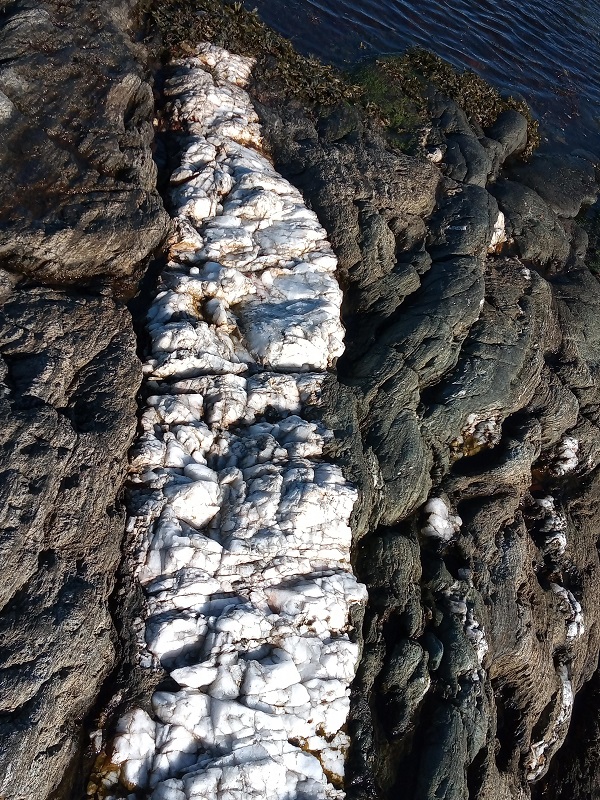
I found out most of the answers by studying Geology and Environment through the Open University, alongside biological sciences. One day on a field trip as I stood with others sketching outcrops, bedding planes and all the various features before me, I suddenly saw it. The landscape which had left crooked teeth of rock strata from one extreme to the other of my field of vision was once a monstrous anticline – one of scarcely imaginable proportions, like an outrageous rainbow. At some point it had collapsed on ancient fault lines. Before these rock strata had formed the bow, pushed up by plutonic forces, they had quietly lain flat and growing, at the bottom of a deep and ancient, long gone sea. I had found a new dimension to reading a landscape – one that underlay all the others.
As I moved towards completing my degree, two options loomed. Rocks? Or plants? Geologist or gardener? I chose plants, but continued to collect stones, embrace menhirs and mentally compute the past from the present view wherever I could.
And so, one wet, unwelcoming day, we walked the coast path in Berwickshire to Siccar Point, in the footsteps of James Hutton, Hugh Miller and all the great Scottish fathers of geology who had embraced with reluctance or excitement truths about the age of the Earth and the forces behind its formation, all revealed in the inconvenient truth of rocks not being where they were supposed to be.
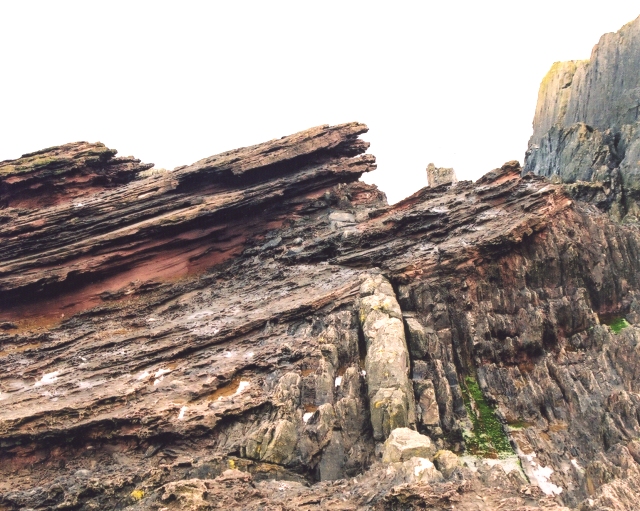
Hutton’s Unconformity.
The wind was fierce and uncompromising. I trembled on the famous cliff, and understood why Hutton had gone by boat. Deposition, uplift, volcanic forces and metamorphic sleight-of-hand. Readable by some, wondered at by many, denied by others. I collected no pebble, no souvenir. Just the imprint of the wind, cold as stone, mutable as stone.
 Comments on The Nature of the Universe