
My favourite book age 9 was a slim volume called “Folk Tales of Devon”. Innumerable accounts peppered its pages of spirits, human and fey, being sucked into the bogs on a trackless Dartmoor. This, coupled with “The Hound of the Baskervilles” a couple of years later, and walking treks in Sutherland with my sister, left me with a deep certainty that if water ever gets over the top of my boots, it won’t stop till I am submerged forever.
Therefore, though I adore them on an intellectual level, and thrill to the spookiness and mystery of moss, bog or myre, it takes me ages – and I mean AGES – to get from one side of an expanse of rush or bog cotton to the other. During which time, I suffer feelings of vulnerability and exposure no normal walker would recognize, and fantasize about nice hard stone paths and causeways.
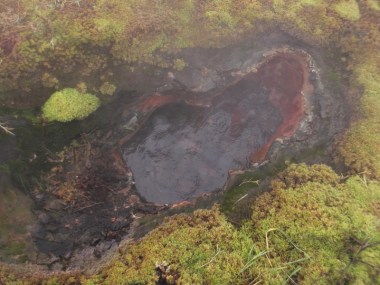 Everyone should leave their comfort zone behind from time to time, though, and if you venture into The Moss there are rewards. It’s called “moss”, because in most cases that’s what makes it – sphagnum mosses of breathtaking colour and beauty, slowly expanding and dying away to leave peat. Mosses are primitive plants dependent on water for reproduction, and you can be sure the brightest patches will be the wettest. Sphagnum holds an incredible quantity of water. Its uses range from wound dressings (it is naturally antiseptic) and hanging baskets to impromptu disposable nappies when walking with babies! Rushes, too, are useful – think matting, cattle bedding and rushlights – and if you can balance on the clumps as stepping stones, they will see you across a wet patch of moor.
In the poor, acid soils of bog lands, you will find pretty, semi-parasitic flowers such as milkwort, lousewort and butterwort, and carnivores such as the tiny sundew, all striving to supplement the mineral content of the soil from other sources. Many orchids have their habitat here. Where you find blaeberries (aka bilberries) growing, it is safe to cross – this plant with its delicious fruits prefers drier slopes. Related species, cranberry and cowberry, will appear on higher moors and myres. Bog myrtle, although happy in the wet, will draw a lot of moisture up, so is also an indicator of safer ground. This is a very useful plant – its aromatic oils are a deterrent to insects – including midgies, allegedly. It’s also called sweet gale – and can be used to flavour Gale Beer. It has a lovely, spicy smell, worth risking wet feet for.
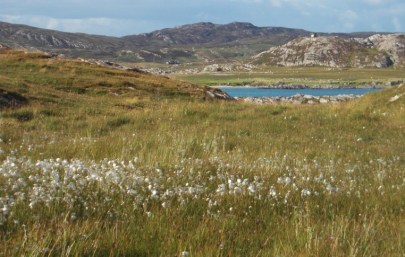 Finally, there is the alluring bog cotton-grass – a guarantee of treacherous wetland just waiting to suck you down – but such an unusual flower and how beautiful waving massed in a moorland wind – white woolly standards raised to announce a weird, wonderful and ominously wet world of plants!

