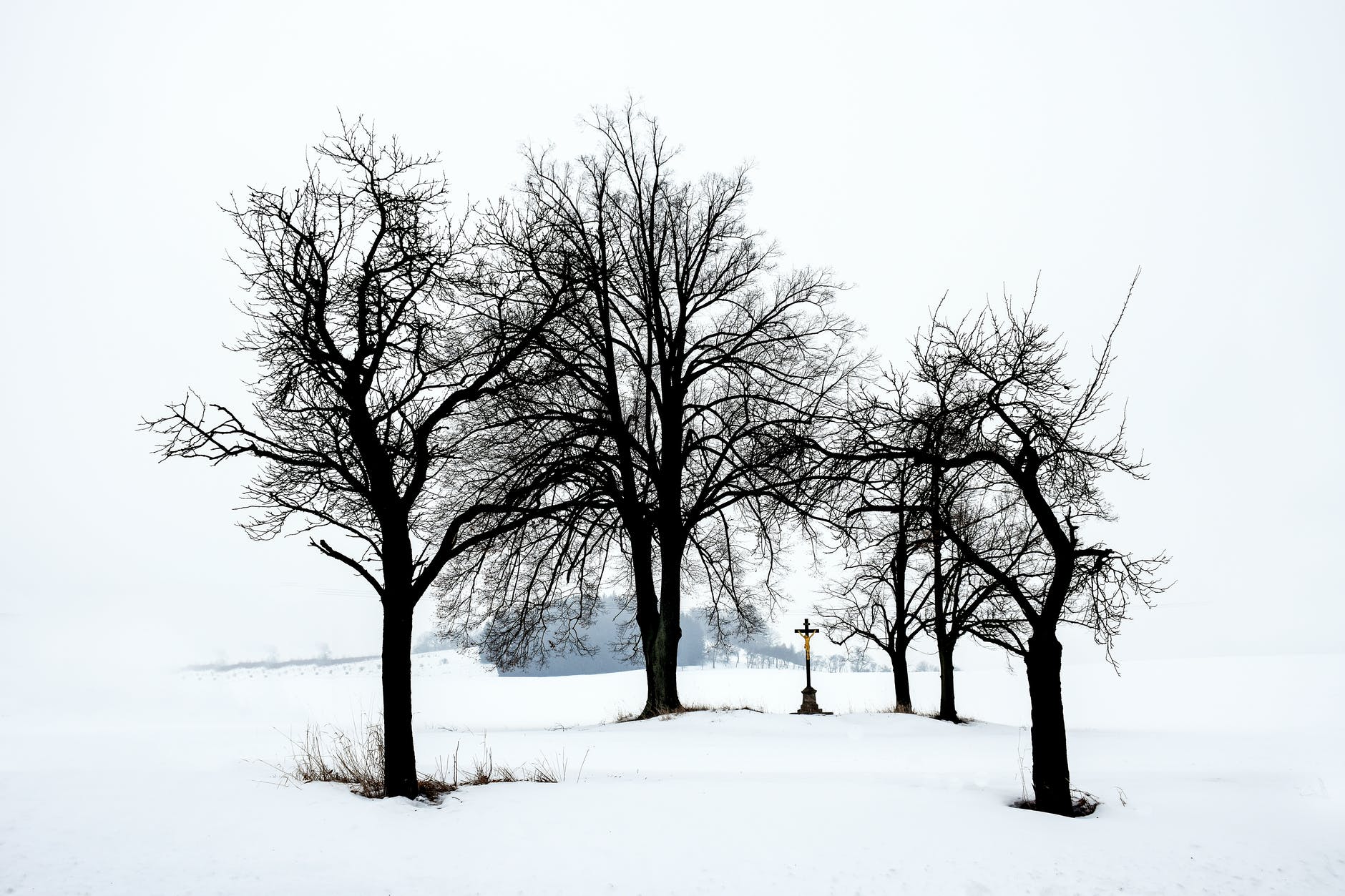
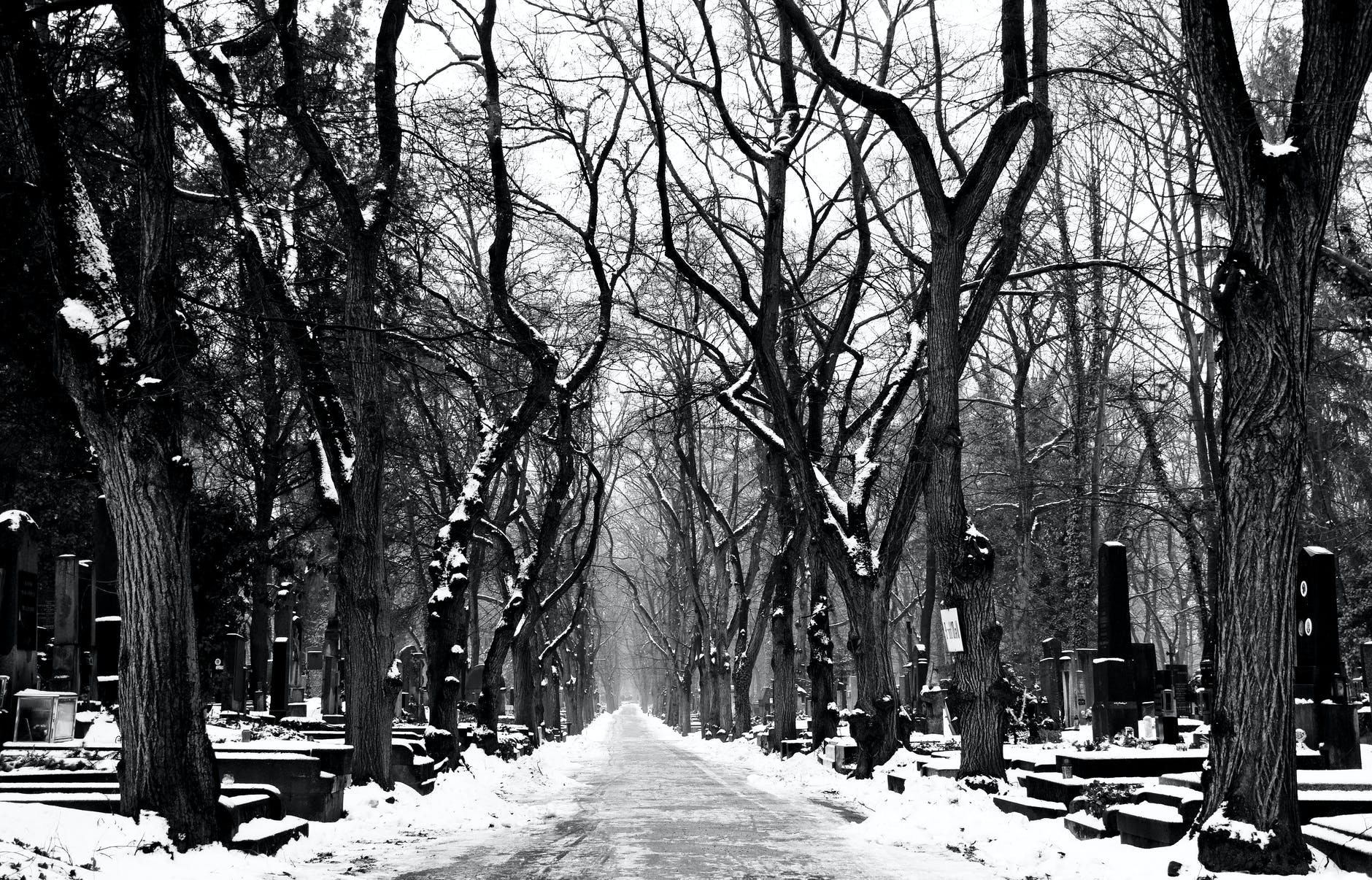
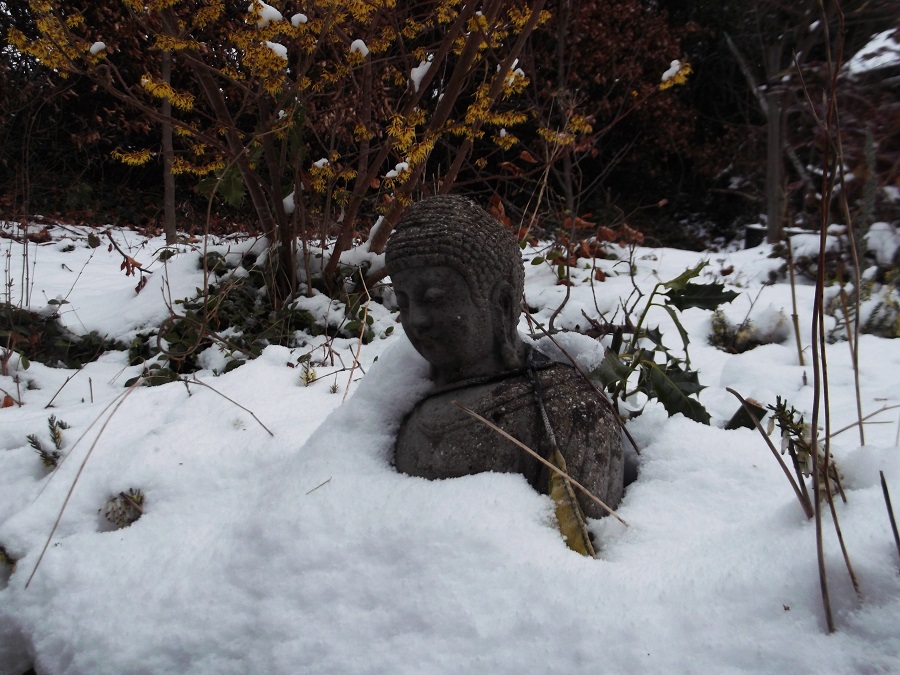
Circular Walk, Spring Morning

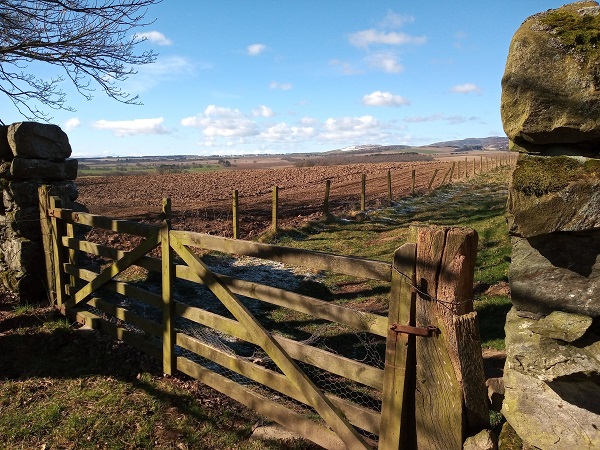
A night of light snow, followed by clear-sky freezing has left
The ground hard and white.
Rapidly the sun, heroic, overcoming all, climbing high,
Melts snow to iridescence at every margin, every edge.

On a single hill, snow is held in thrall. Like a crumpled Mount Fuji, but
No blossom, no art,
The hill holds its ghost-clothes, despite the sun’s triumphal progress.
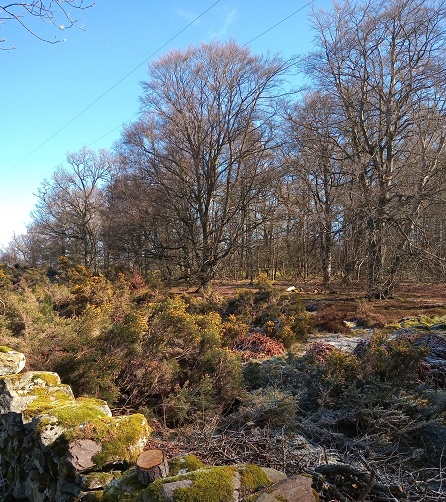
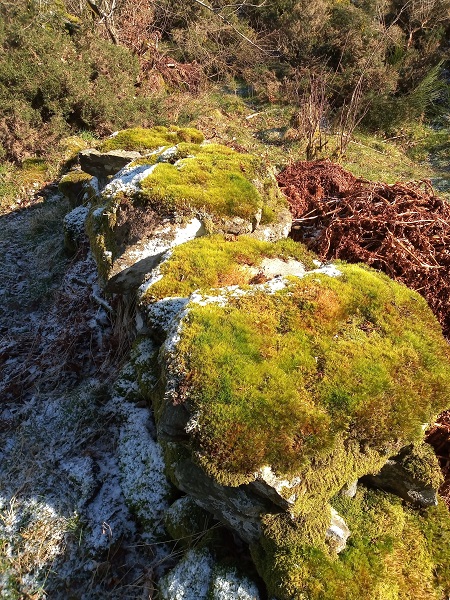
Magisterial old beeches sun themselves among old walls and
Moss-covered stones, dripping, wet, full of temptation.

Birds call, fluting, piping, chameleon-coloured, slipping away like lizards.

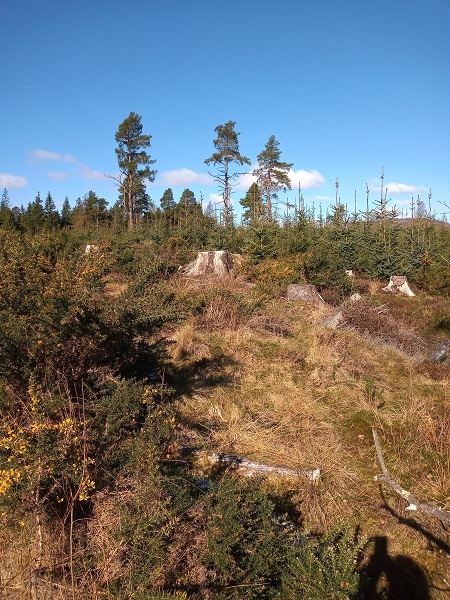
I’ve never understood the detritus of forestry. The wind cuts and dives
In and out of the shambles of stumps and trenches, where startled pines left behind
Look half-naked and vulnerable, hesitantly beginning to stretch arms to the sky,
To each other, united in the icy wind.

I follow the wind. I leave the wreckage, the small shelter
Of self-seeded spruce erupting from glossy gorse and broom. Ahead
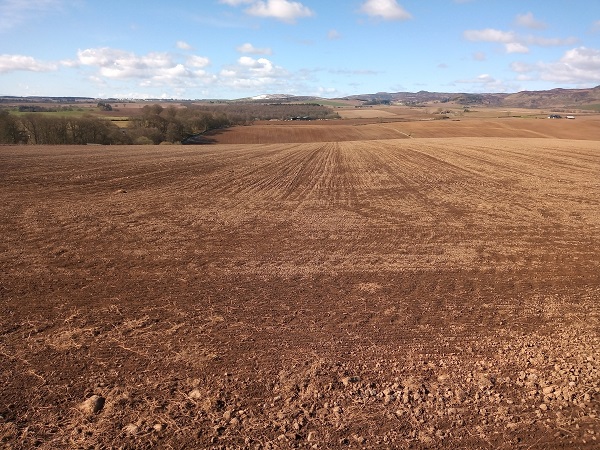
A vast and dreary vista of huge, brown and empty fields,
Unpunctuated by tree or hedge-bank, meticulously ploughed and harrowed.
The dust rises, faintly reeking still of the abattoir, that small, derisory recompense
For decades of soil inevitably lost and life precluded.

Back by road, the first wood anemones
In the deep and shady gulf where children once played canyons,
And a rising stir of sound comes up from behind. Suddenly
A thousand geese are shifting and snaking in the blue, blue sky,
Withering the last frost with their joy.

Muffled in Monochrome

I don’t hate snow, really. It’s just different. It invites us to be indoors, to exclude the cold air, the blinding whiteness, the threats of slip and slide and sink and fall. If it’s around too long, it starts to bug me. Last Friday while reading, I got frustrated by the pinprick of light that seemed to obliterate whatever word I was looking at. Then the pinprick became a ball-bearing, then an expanding ring. A migraine aura. Perhaps going outside earlier when sun on snow had dazzled me caused it. An hour of lying, eyes closed, listening to a dark and frighteningly funny play about the erstwhile president of the USA saw it off but left me uneasy. The sun was gone, and greyness encroached, but I needed exercise, daylight and an antidote to foreboding.

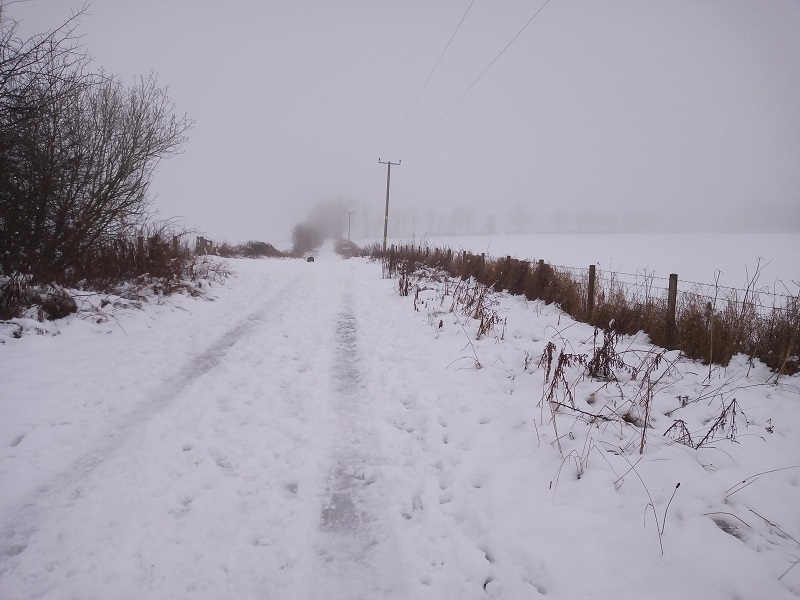
Snow lay thickly on the ground, with an intensity and doggedness that bludgeoned the senses. Dense, white cloud merged into white fields, but it was not easy to know if I was looking at land or air, except where snatches of stubble or deer-scuffed soil peered through a thin, white fog. There were no distant views; everything seemed close, oppressive, heavy and inert.

Vision impaired, a mild headache bleakly persisting, and the opacity of the veil of snow deadening all sound. Small flocks of monochrome birds passed over, silent and anonymous. Solitary grey figures slipped soundlessly across the edges of fields or emerged from woods; we did not acknowledge that we’d seen each other. The sounds I could hear were only in my head; ringing of tinnitus, a faint roaring; result of a year of being virtually locked down and unwilling to self-treat blocked ears after causing an infection with my last attempt.

Seeking light, I went into an open field. The snow immediately came over the tops of my boots and slid down to my heels. I looked for patches of exposed stubble, and followed deer, humans and dog prints to avoid drifts, but they confounded me. The effort of trudging uphill took concentration. I could only see the spot where I would place my next mark on crusty, half-frozen snow.

When I got home in the dim, shrouding dusk, I was surprised to see the hens still out. I stepped into the polytunnel to knock snow off the top from inside. The sight of green, growing plants, brown soil, terracotta pots and little piles of compost waiting to be spread filled me with strange relief. I sat for a few minutes in a garden chair, relishing the last remnants of colour before nightfall. Then I punched the thick layer of snow from the top and sides. It slid off with a rushing sigh. And I saw then that it was not yet dark – the hens were right. Night had not yet fallen, and into this small green space came a brief shudder of light, clarity and hope.

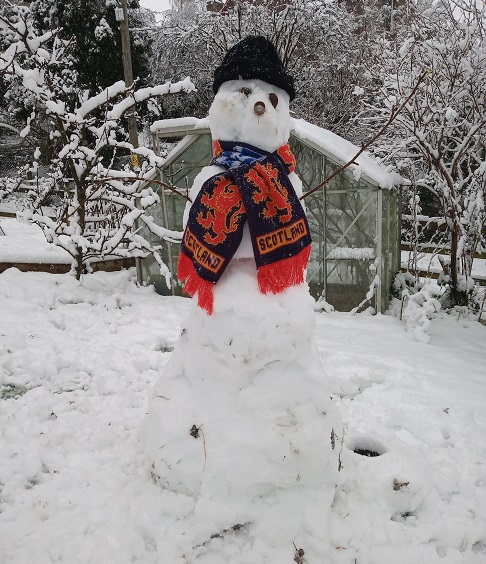
(When I open the curtains onto the first serious snow of January, I am just like any other child.)

The Duke of Bohemia: Part 1

A Story for Christmas, that may be Familiar

Photo by SHAHBAZ ZAMAN on Pexels.com

In the year 938AD, it was, as usual, a harsh winter in the Dukedom of Bohemia. Roads into and out of Prague were treacherous with ice, and snow lay deep on the sides of Petrin Hill. Vaclav, Duke of Bohemia, gazed gloomily from the window of the castle, down to Vltava, flowing icily through the town. It was a feast day, St. Stephen’s, and Vaclav could already detect the mouth-watering smells of roasting pork and steaming vegetables rising up from the kitchens.

“Wine,” he muttered, “something red, rich and warming”. He called for his page.

“Here, lord,” came a sleepy-sounding voice from a back room, and a very young man appeared, rubbing his eyes.

“Asleep again Pavel? Cold getting to you too, is it? Run and fetch us a flagon of red, and I might let you have a sip.”

Pavel slipped off, and Vaclav turned his eyes across to Petrin, where he doubted the monks would be very happy in their prayers today. Toasting their toes in the warming house, if they’ve any sense, he thought. Thus, he was surprised – and not a little indignant – to glimpse a small, dark figure, bent against the drifting snow, skirting the edge of the woods that bounded monastic lands.

“Pavel,” he said to the returning page, “Look out there. Is that man insane?”

Pavel gravely followed his masters gaze, then gasped in an astonishment that seemed to Vaclav not a little exaggerated. “My Lord!” he cried in righteous indignation, “a trespasser! What a nerve! How dare he? I’ll get onto it right away, I’ll tell the guards to go and arrest…..”

“No, no, boy, don’t get your tunic in a twist! What’s it to me if he tramples a bit of grass? But do you think he’s in his right mind, going out in this weather?”

“Why, sir?”

“Well, would you be out there today?”

“Certainly not, your lordship, give me a warm fire any day to snooze by. I expect that’s what old Peter is aiming for too.”

“Old Peter? You know him?”

“I know of him, sir. He sometimes helps in the fields in summer.”

“Does he now? So why is he not tucked up by his fire today?”

“He’ll not have one, unless he manages to find a bit of firewood. Old Peter never has wood, he can’t afford it.”

Vaclav peered out again. “Why yes, he seems to have a wood-carrier on his shoulders. But not much in it – the guards will have taken all the wood there.”

“Yes, sir. For the castle,” Pavel put in quietly. Vaclav looked suspiciously at him, but the page’s face was blank.

“Where’s this man’s house then, Pavel?”

“House? He doesn’t exactly have a house, sir…”

“Doesn’t have a house?? What does he have, for heaven’s sake?”

Pavel considered. “Well, there’s a sort of cave, an overhang, near the falls of St Agnes, at the back of Petrin. Peter built a sort of cabin onto the front, and….”

“Do you mean to tell me, boy, that even in midwinter, this man not only has no fire, but scarcely a shelter? What about food? Don’t tell me the man doesn’t eat!”

“Not much, your Lordship. Old Peter doesn’t have much of anything.” They gazed silently out to where the old man struggled against the snow, stumbling in drifts, a pitiful bag of wet, thin branches on his shoulders.

Vaclav silently paced the room, a look of worried amazement on his face. Finally, he turned and seized the page by the shoulders.

“Well today he’ll have something,” he said quietly, “today this man will enjoy St. Stephen’s feast with us. First, fetch that joint of pork I can smell – and some sausages and dumplings.”

Pavel’s face fell, for he usually enjoyed the leftovers from a roast joint himself. But he dared not argue with the determined-looking duke, and went for the food, to the rage and astonishment of the cook.

“Good!” exclaimed Vaclav. “Now, vegetables – a sack of turnips and carrots, and enough jars of pickled cabbage to last a week. Oh- yes – better get a sled ready”. While Pavel busied himself with this task, Vaclav tied up two large bundles of the dry, split logs that were waiting by his fireside.

“There now,” he muttered, that’s all I think.”

“Excuse me sir,” piped up the page. “but what’s he going to drink?”

“Didn’t you say he lives by the waterside?”

“Oh yes. Of course, sir. A peasant couldn’t drink wine like a king…or a duke…” Pavel looked very humble.

“I see,” said Vaclav, screwing up his eyes, “make me feel worse, why don’t you. Alright – go to the cellar, and roll out a cask of the finest port wine onto the sled.

Pavel raced to obey, and by the time he returned, the Duke of Bohemia was wearing his thickest, fur lined cloak, stoutly belted at the waist, and an enormous furry hat that covered his ears and strapped under his chin. The page gasped. “Are you…..”

“Going to deliver? Of course we are! I wouldn’t trust the guards not to scoff the lot the second they got out of the gate!”

“We, my lord?”

“Of course, “we”…. I couldn’t drag and carry all this lot by myself, could I? It’s your lucky day out!”

Photo by SHAHBAZ ZAMAN on Pexels.com

The story will be concluded on December 26th, Boxing Day, or, appropriately enough, the Feast of St. Stephen.

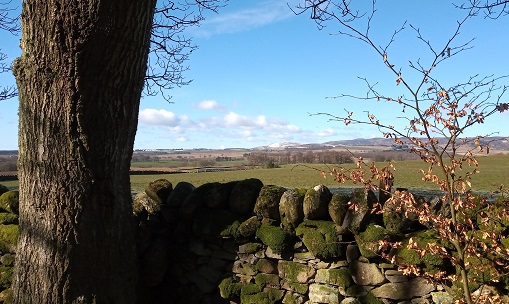
Transient

For days now, maybe weeks,
Snow has been coming and going.
Not letting go, not quite in control,
Like the viruses keeping us all on edge.
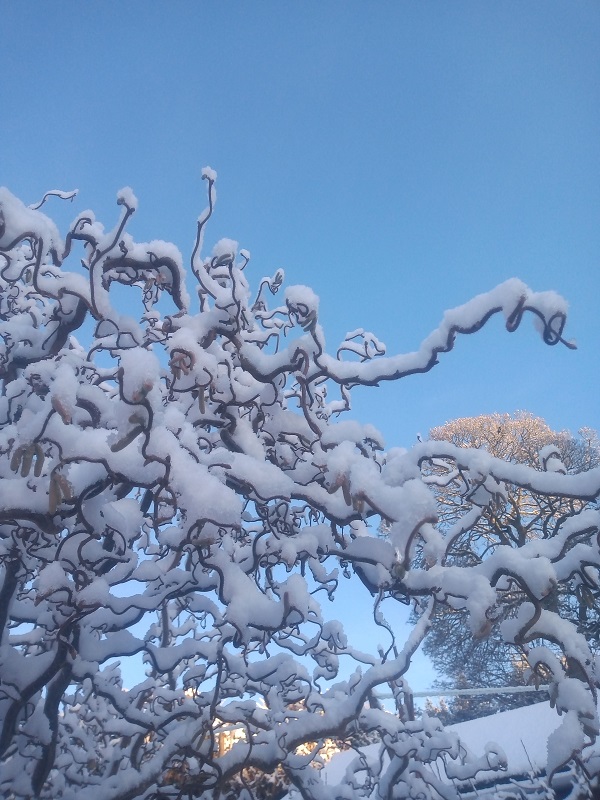
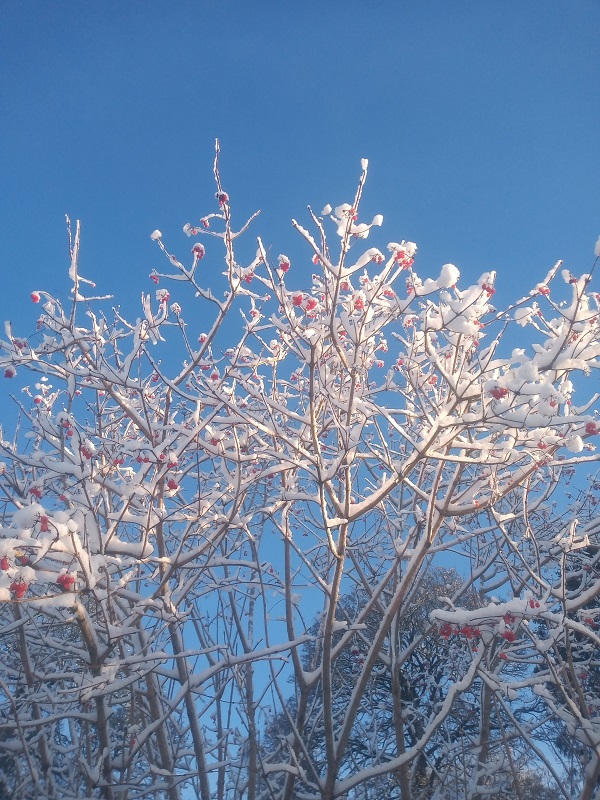
It lies poised on grasses and winter berries,
Between water and ice, catching rainbows,
Sliding off roofs, dissolving under footfall.

snow3

If this were January, we say,
We’d know what we were in for.
The snow would lie, intransigent,
Till we’re sick of it and grow bitter-eyed,
Nonchalant in our cars on frozen roads.

snowhazel

We don’t know what to expect, now,
Of weather. Of self-styled leaders, we expect the worst.
They rarely disappoint.
We, in stone houses with no ambient warmth,
Switch off the odd light,
Turn down the sinful boiler,
Shiver in extra jumpers, even though
We know we’re alone, while off they fly
In chartered jets: to gorge and gabble and guzzle,
And trade in carbon neutral bullshit.

snow guelderrose

Snow melts,
But rides in again on wild winds
To lie, and freeze, and then trickle away
In the unforgiving sun. And we
Must rise, and gather storms around us
Like blankets. Walk out, speak out
And keep on, and on, regardless.

A Conversation with Winter

snowbuddha1

What happens now? I asked of Winter.
There is no heat in the sun’s rays. Trees are naked.
Fierce winds carry shards of ice. The voices I strain to hear
Are silent forever now. What’s the script?
What am I meant to do?

Winter, with a scarce-felt fracturing of frost,
Smiles a chill smile, whispers in the wind:
There is nothing you are meant to do. Who knows
How things will be? Be still. Wait.

But I am cold to the bone.
Silence echoes around me.
I chase cold sunbeams,
Look for gold in rainbows and find none.
How will I out-run the freezing of my heart?

I do not know, says Winter,
But I’ll be with you when
You go down to those cold corners
Where under snow and frozen soil
Quiet fermenting and slow gestation
Tick by unperceived;
Where in water beneath the ice, life softens,
Grows drowsy,
Where transformation is incremental
(Too slow to see, too distant to hear)
And seeds swell, shape-shift and shrug off
Chains of dormancy, shattered by cold,
And all is movement in stillness.

See the fire igniting in the ice?
This is not the time of dying.
It is un-reckoned with beginnings.
What happens now? I cannot tell you.
But I will warm you while we wait.

winter1