
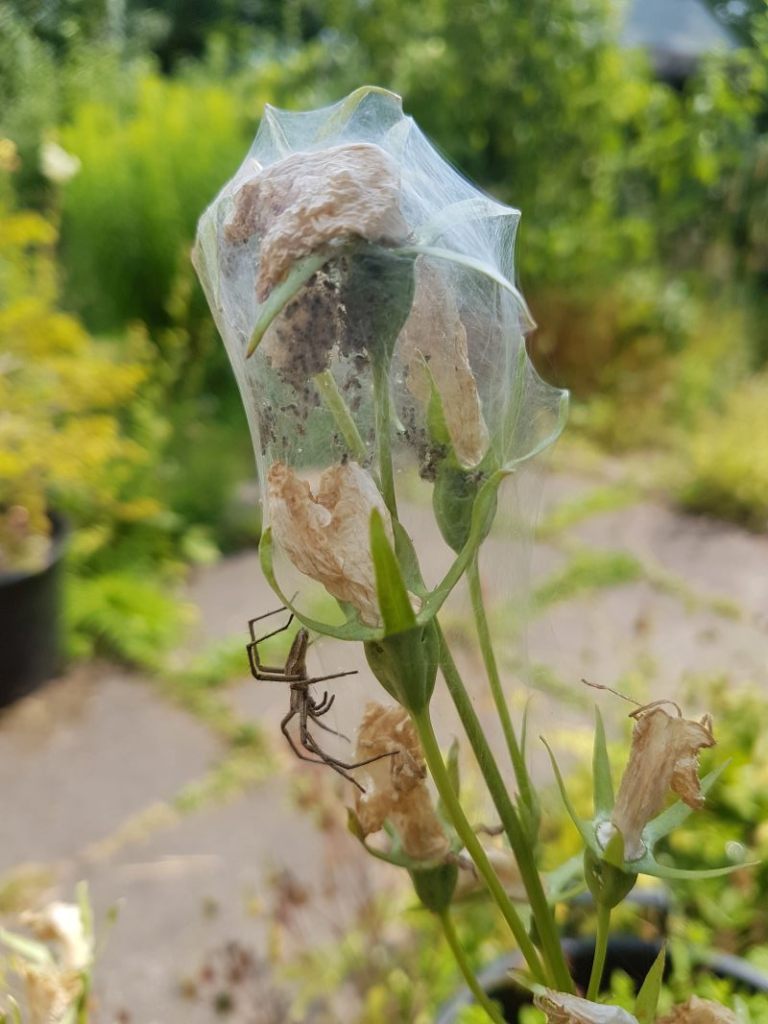
Regular readers will know I often write about my garden, or the wildlife that inhabits and manages it better than I could ever do. I know a lot of people would have the screaming ab-dabs if their gardens got into half the state that mine does… but for me the need to support the widest biodiversity and my personal love for every other species trumps the sensitivities of the bug-killing, grass-shaving, patio-manicuring brigade. And I’d like to make some converts rather than just be rude about them!
So I decided to create a new blog of short sketches and ideas dedicated to the joys of not being in control of your garden and the fascinating more-than-human friends you might meet in it. Here’s a taster of WHOSE GARDEN IS IT ANYWAY? which you can find at theuncontrolledgarden.wordpress.com
“I started gardening with a notion that what grew in it belonged to me, or to my family. I believed that I was the person who got to choose what grew in my garden. Carrots here, poppies there, grass in between. I welcomed wildlife though – birds could come to the bird table. Frogs could come to the pond. Of course!
But pigeons, snails, mice….. er, no. And the multiplicity of insects and invertebrates just worried me. Were they Good, or Bad for “my” garden? I didn’t know. When I decided to study horticulture professionally, my tutors taught me “Plant Protection” which meant the Pests and How to Destroy Them. A nodding glance to predators and nothing about pollinators. The soil science tutor had a more holistic perspective, but was a bit of a lone voice.
I always preferred the wild flowers to most of the garden ones – although I liked both. So “weeds” got away with a lot in my garden, even though it made me feel slightly guilty. In between lectures, though, I read about companion planting, and comfrey, and composting, and met Lawrence Hills of the Henry Doubleday Research Institute (now Garden Organic), which was nearby. Over time, my perspective changed, and so did my garden!
Now I have a rambling wilderness which I love from January to August and then feel defeated and stressed out by, until calm is resumed around the middle of October. No chemicals, no dig as far as I can stretch the compost, which is the powerhouse of the garden. I still struggle at times and backslide into nervous control-freakery.
But I have one certainty: This is not my Garden. And I am not in control.”
(I will continue to write on the nature of the universe here too. And adjust both sites, especially getting rid of the annoying ads once I’m convinced I’ve got it set up right!)
 Comments on The Nature of the Universe