
It seems ironic that this summer, punctuated as it is by heatwaves, record-breaking temperatures and wildfires from Suffolk to Sutherland (and that’s just in Britain) I should be so richly entertained by insects. Not ironic that they like the hot, dry weather – of course they do, so long as they have food and water. It’s as though, at the same time that we are forced to stare climate catastrophe in the face, we are also reminded of what we stand to lose. Nature is shouting at us!
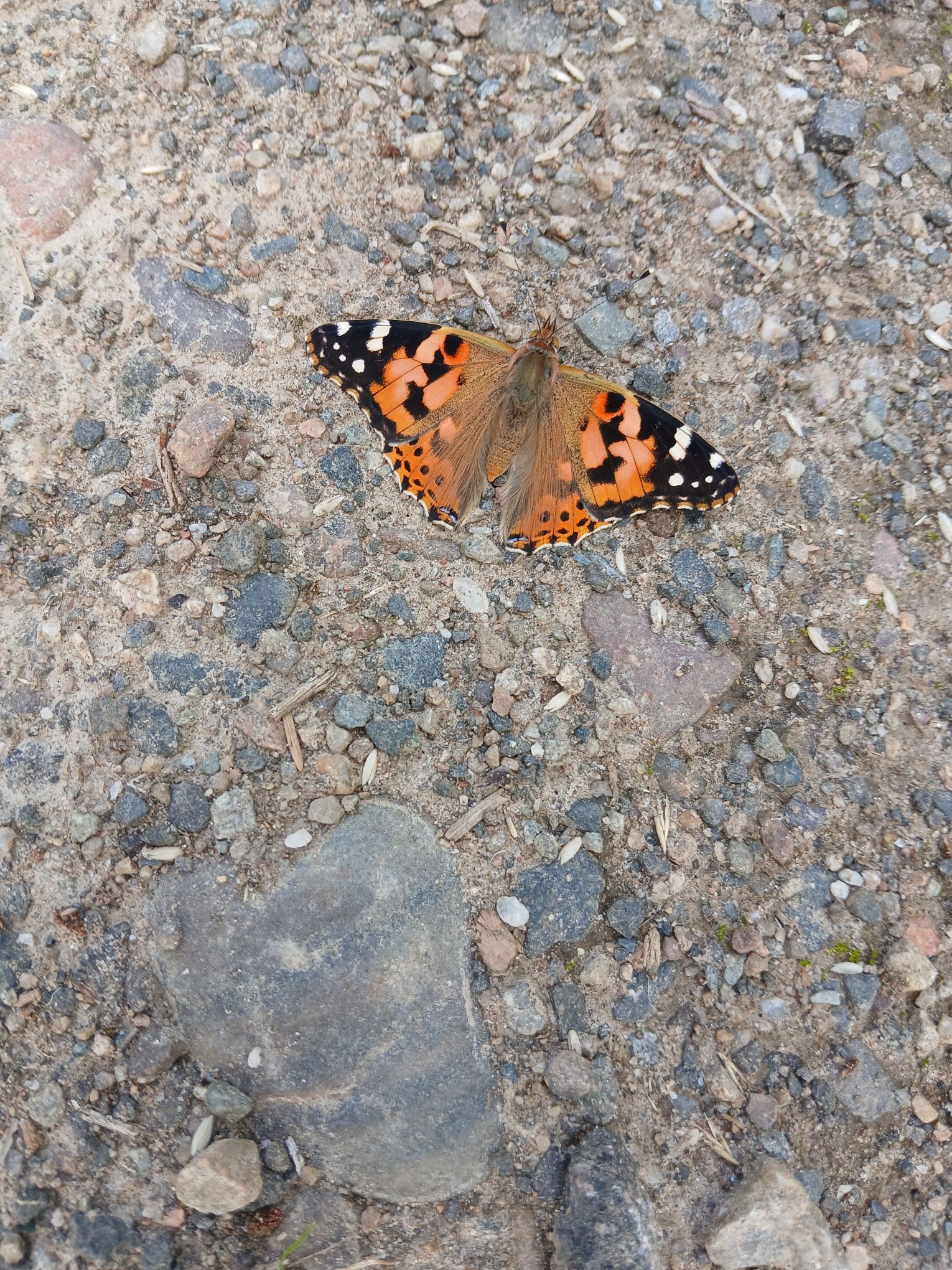
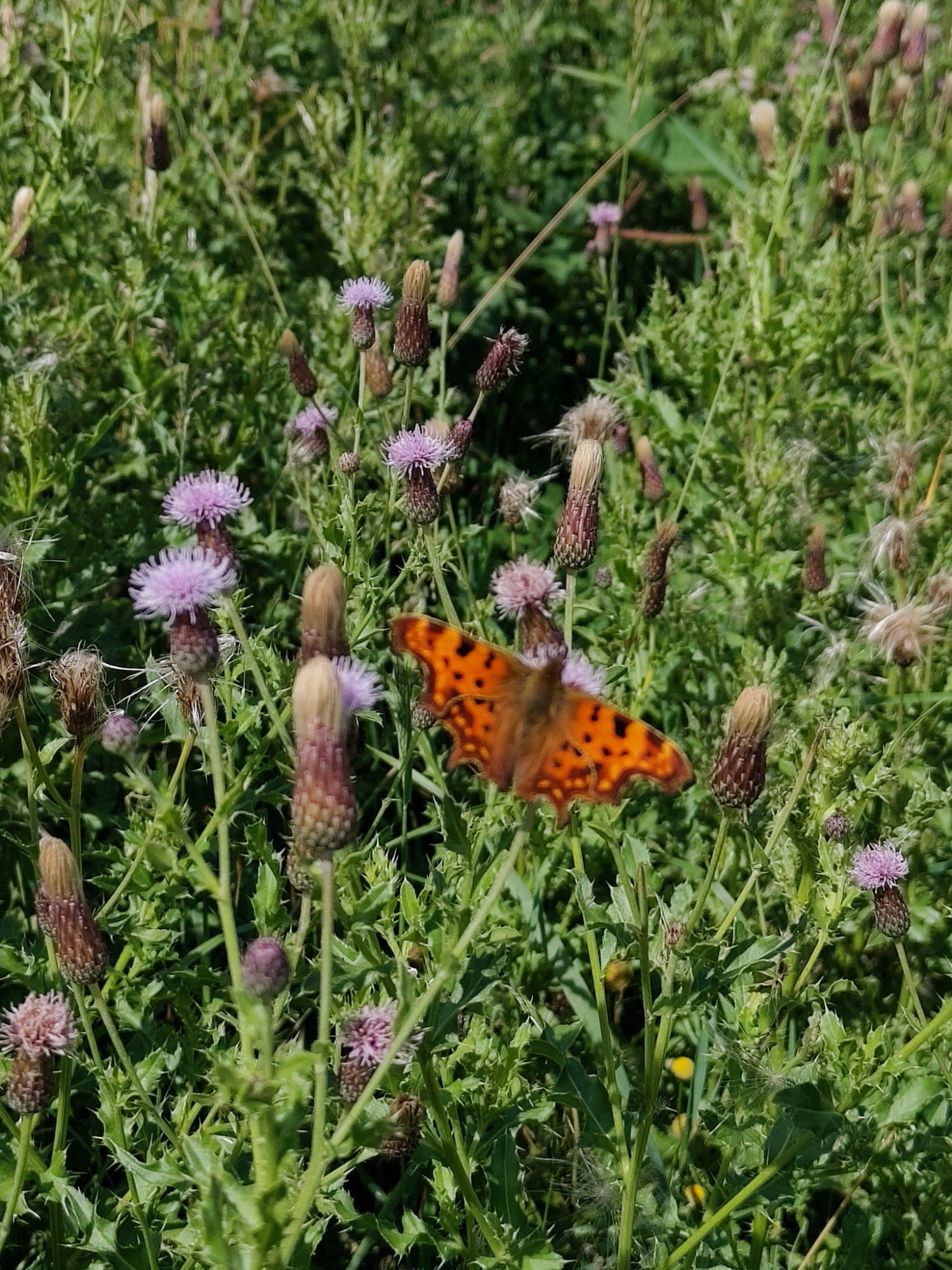
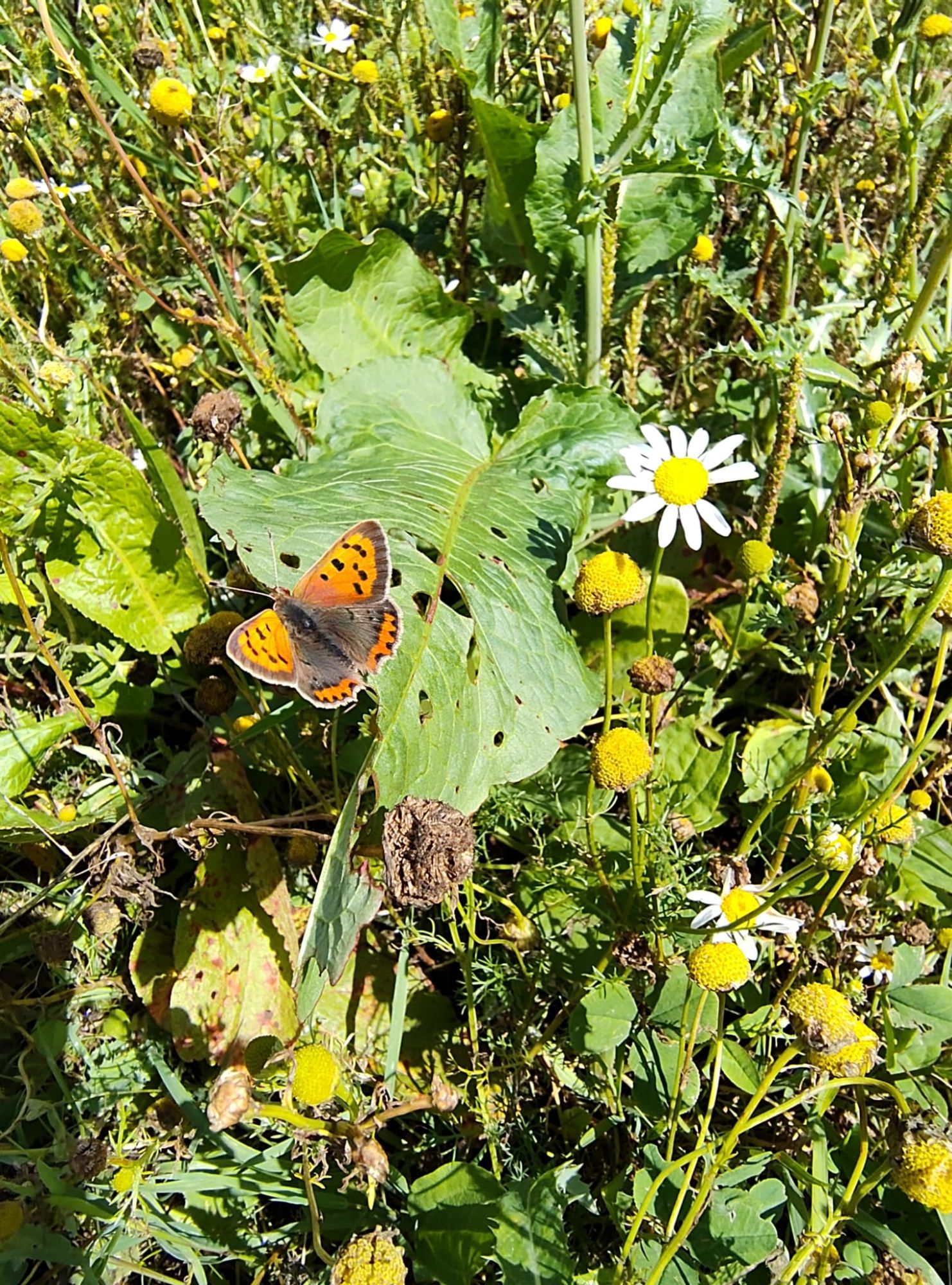
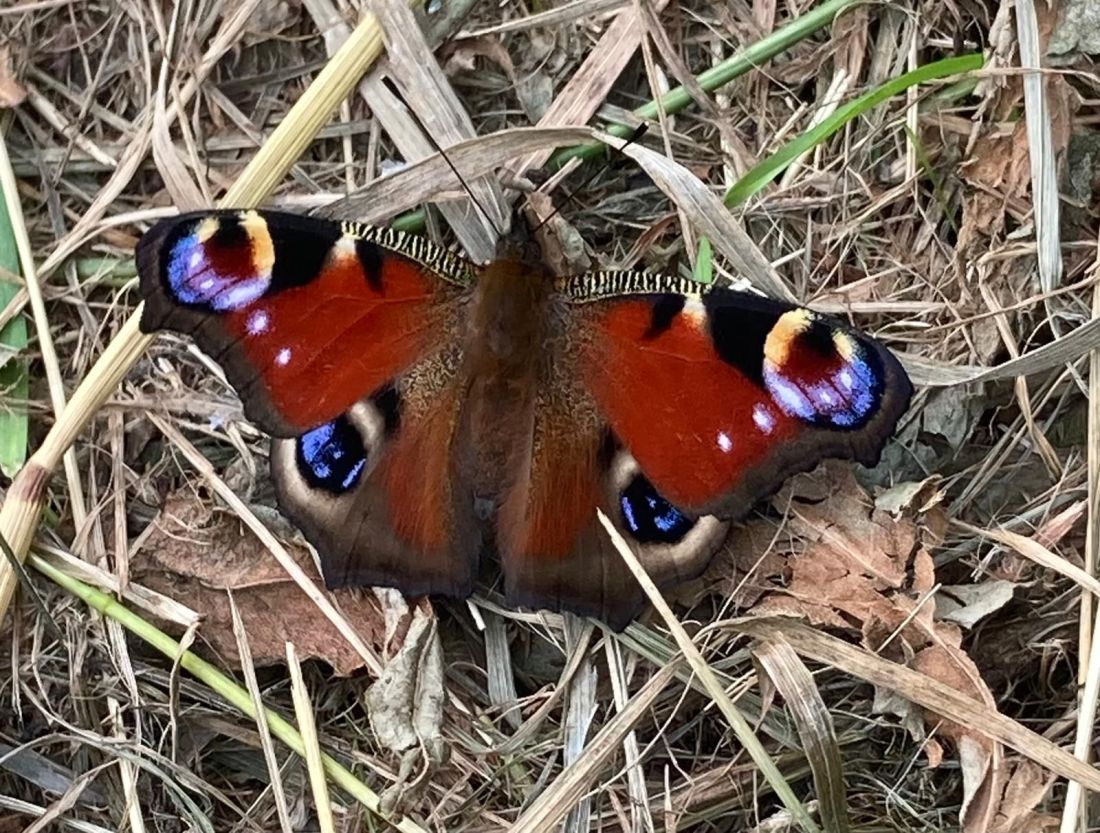
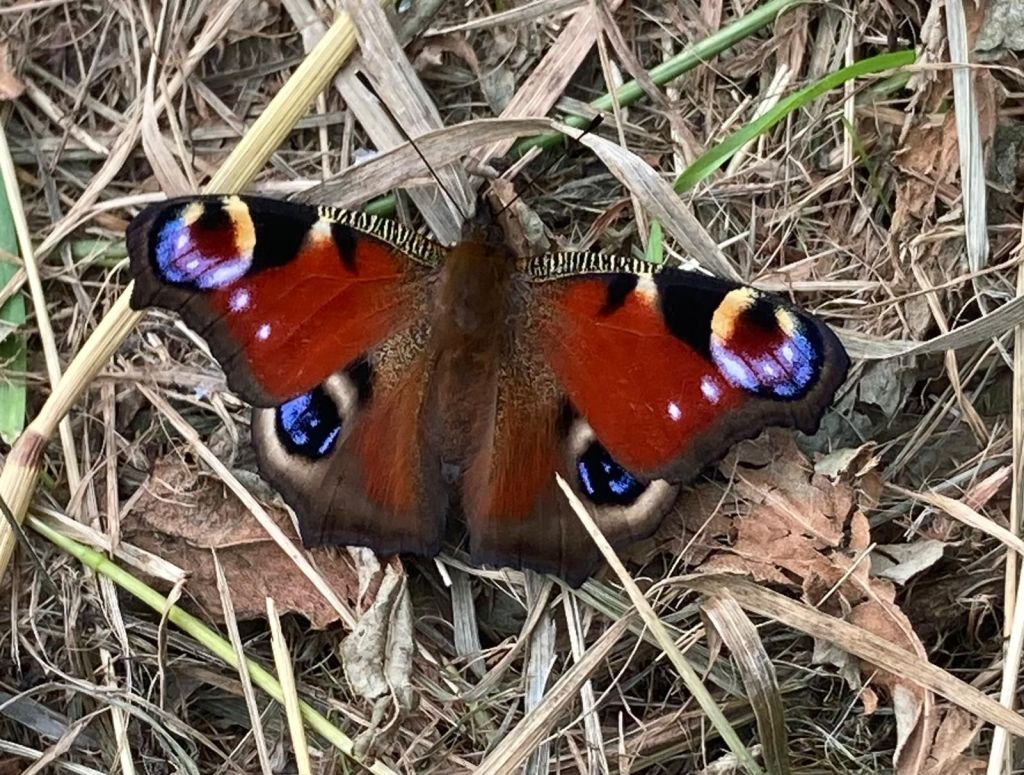
Our local rewilding site (Rewilding Denmarkfield) recorded their highest annual count of butterflies in July, with 3 months still to go, and a wide diversity of bee, butterfly and moth species. In Taymount Wood, a wonderful wild flower walk organised by West Stormont Woodland Group and Perthshire Society of Natural Science culminated in an experience that could only be described as magical – walking through a woodland glade full of knapweed and thistles in flower, where the butterflies and moths were way too many to count, too glorious and moving around us in clouds, to identify. Many were quite common – Peacock, Red Admiral, Meadow Brown – and some less often spotted – Small Copper, Dark Green Fritillary. But identification becomes irrelevant when a Peacock Butterfly is sitting on your arm for ages and you realise just how astonishingly beautiful are those iridescent “eyes”, the sheen of gold and blue and glistening terracotta, the soft hairs around a plump abdomen, the unreal curliness of the nectar-seeking proboscis. In my own garden, where a holiday, a heatwave and a strimmer breakdown caused a dusty meadow of flowering grasses to replace what we used to pretend was a no-cut May & June “lawn”, Meadow Brown butterflies have moved in, and a cloud of micromoths whenever you try to walk through it.
Factors I’d like to think have helped: the careful meadow management regime at Denmarkfield; partly deliberate, partly accidental non-interventions by gardeners like me; WSWG managing to persuade Forest & Land Scotland NOT to cut the path edges just as the knapweed was starting to flower as they’ve done before….
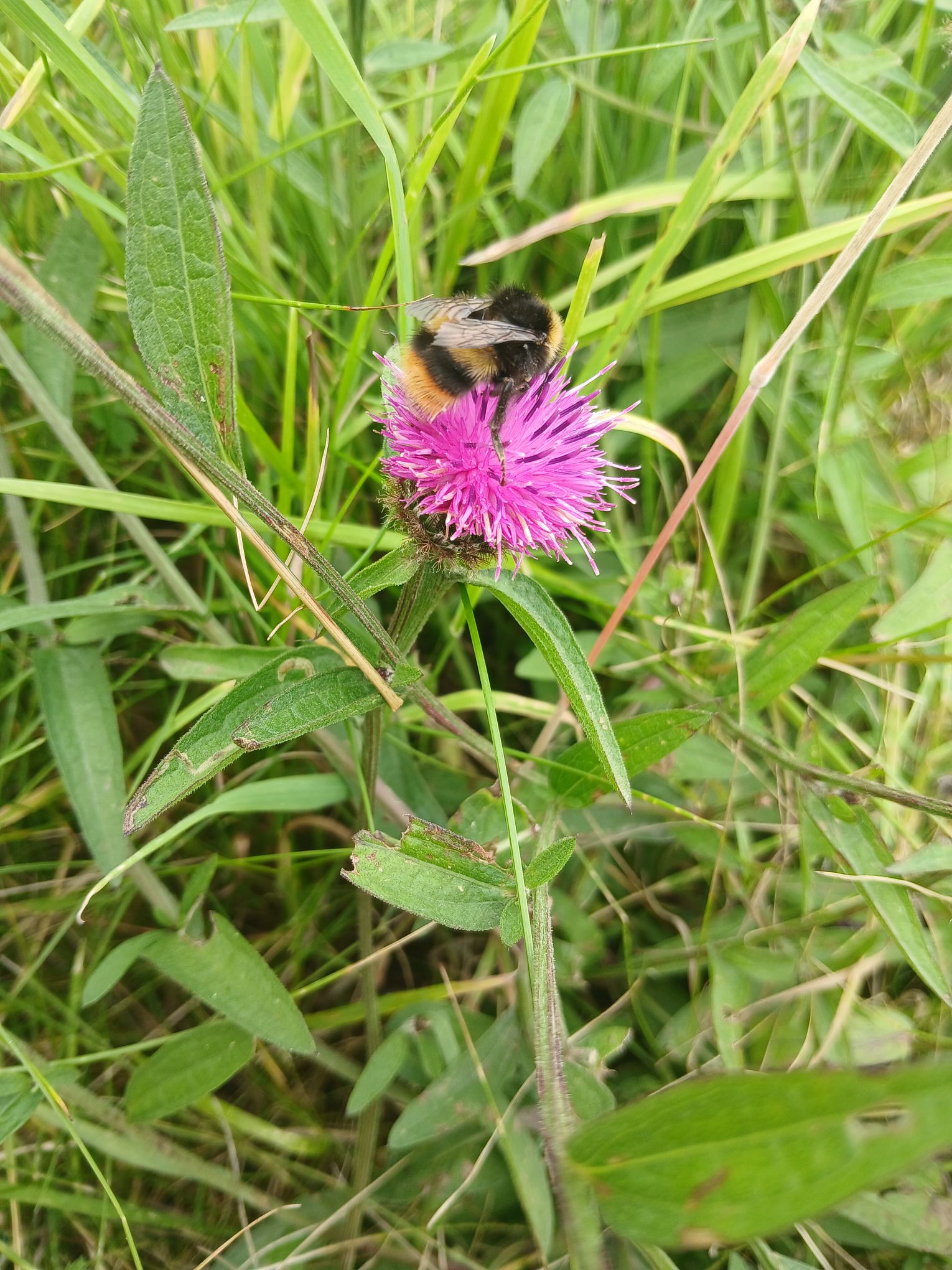
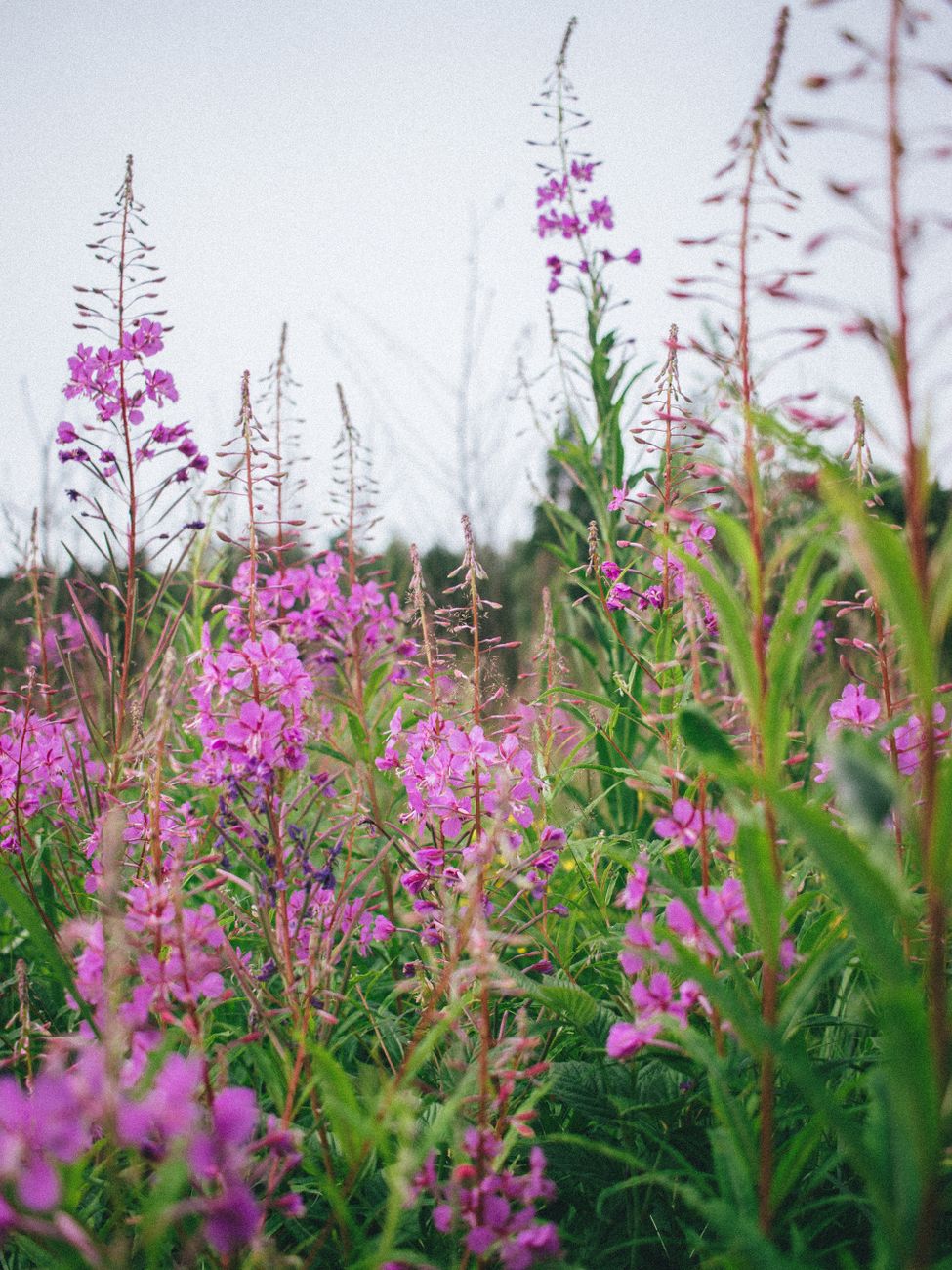
Last week, I did my monthly Bee-walk, for the Bumblebee Conservation Trust. One of my Walks starts conveniently at my front door and this time, I found it hard to get out of the garden! Apart from spotting male Field Cuckoo bumblebees for the first time on the elecampane, there were so many bees on wild oregano and fascinating insects I wasn’t meant to be recording to engage with – as well as an unexpectedly large wasp byke in my comfrey-tea bin to escape from! I nibbled the first blackberries on my way; there has been such a huge crop of Tayberries, currants and gooseberries I haven’t begrudged the blackbirds a share of any of them. And the apple, pear and damson harvest will be spectacular soon. I continued my Bee-walk, noting, as usual, less insects in general around highly-managed arable landscapes. But the rosebay willow herb in full flow along the verges literally buzzed. It had attracted more Field Cuckoo bees, and all a neighbour’s honeybees. Last month, wild raspberry flowers were the main attraction on this section. Now, most of the raspberries themselves had been eaten, by birds, beasts or humans – although those left, slightly fermenting, were being enjoyed by various shiny flies.
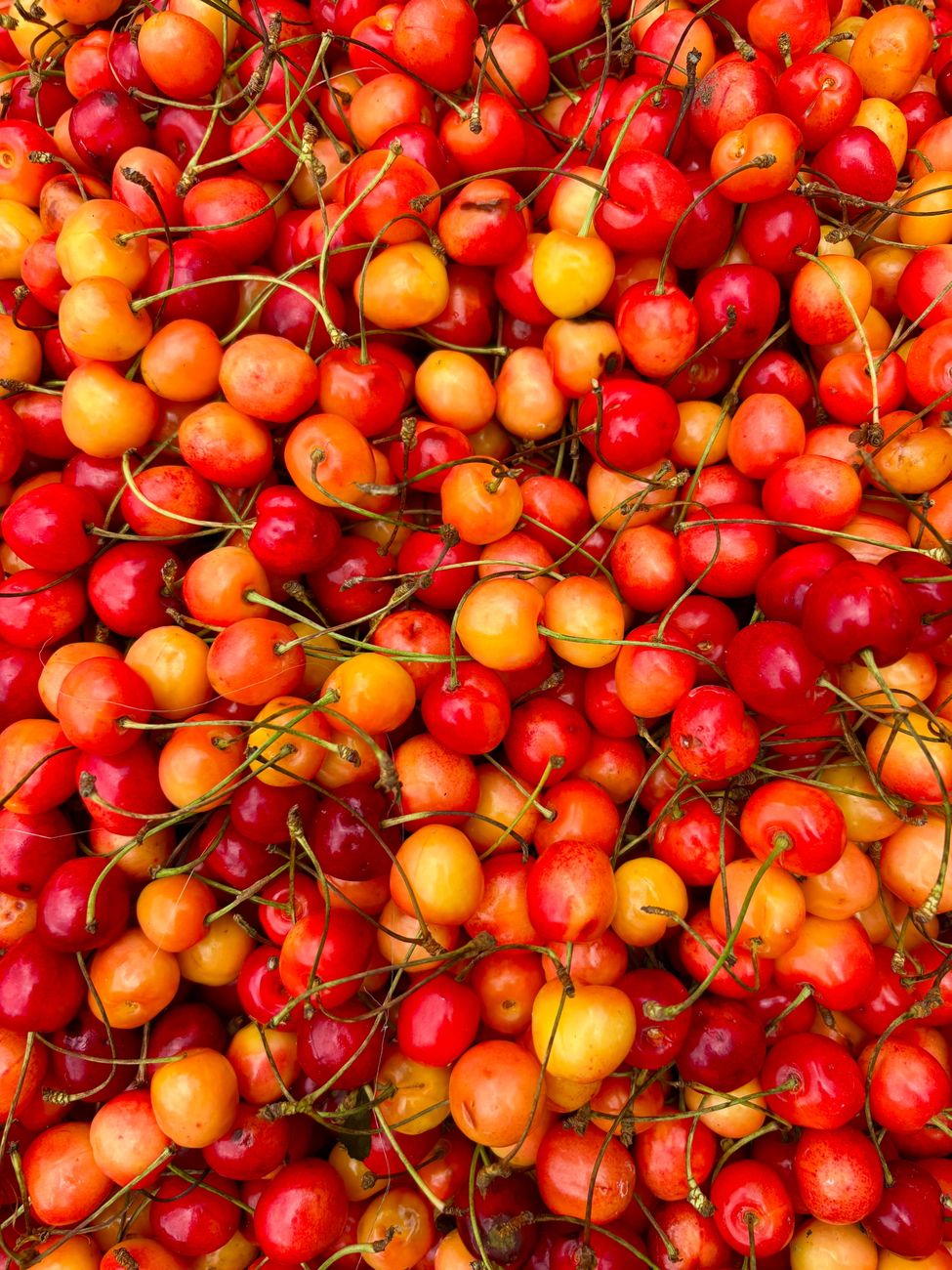
It was a beautiful afternoon, so, bee walk finished, I kept on walking, along the narrow path where I foraged delectable, dripping-sweet gean cherries from the overhanging branches of self-sown wild cherry trees. Gean cherries can occasionally be disappointing – and they are always a quarter of the size of “shop” cherries – but these trees are special. Some produce rich, power packed black fruit, and some crisp, pale red and white ones – all are good. I ate all the ones I could reach by jumping and grabbing a branch, but my high-jumping skills have always been limited. On I went, past stands of feral and wild gooseberries in the hedgerow shade, to hunt speculatively for mushrooms in the wood and sit on my favourite log watching trees grow and fall, and seed swell. There I bumped into Sammy, a neighbouring dog, and his owner, Chris, who luckily is about ten feet tall. We walked back together, exchanging nature notes and helping ourselves to the high-up cherries, spitting out the stones into the hedgerow as we went along.
I thought about connections. Such a buzz-word these days! Do you have a connection? Are you well connected? What kind of connection do they have there? Have you lost your connection? These were the connections I listed:
Between the insects and the flowers, causing fruit and seed
Between the fruit in my garden and the birds who get half of them
Between me and my neighbours, who share the fruit in our gardens, and the jams and jellies we make
Between the animals – squirrels, birds, deer, mice, me and Chris – who eat the fruit and disperse the seed to grow more trees and bushes
Between the trees, bushes and flowers who evolved to survive through pollination by insects and seed dispersal by animals
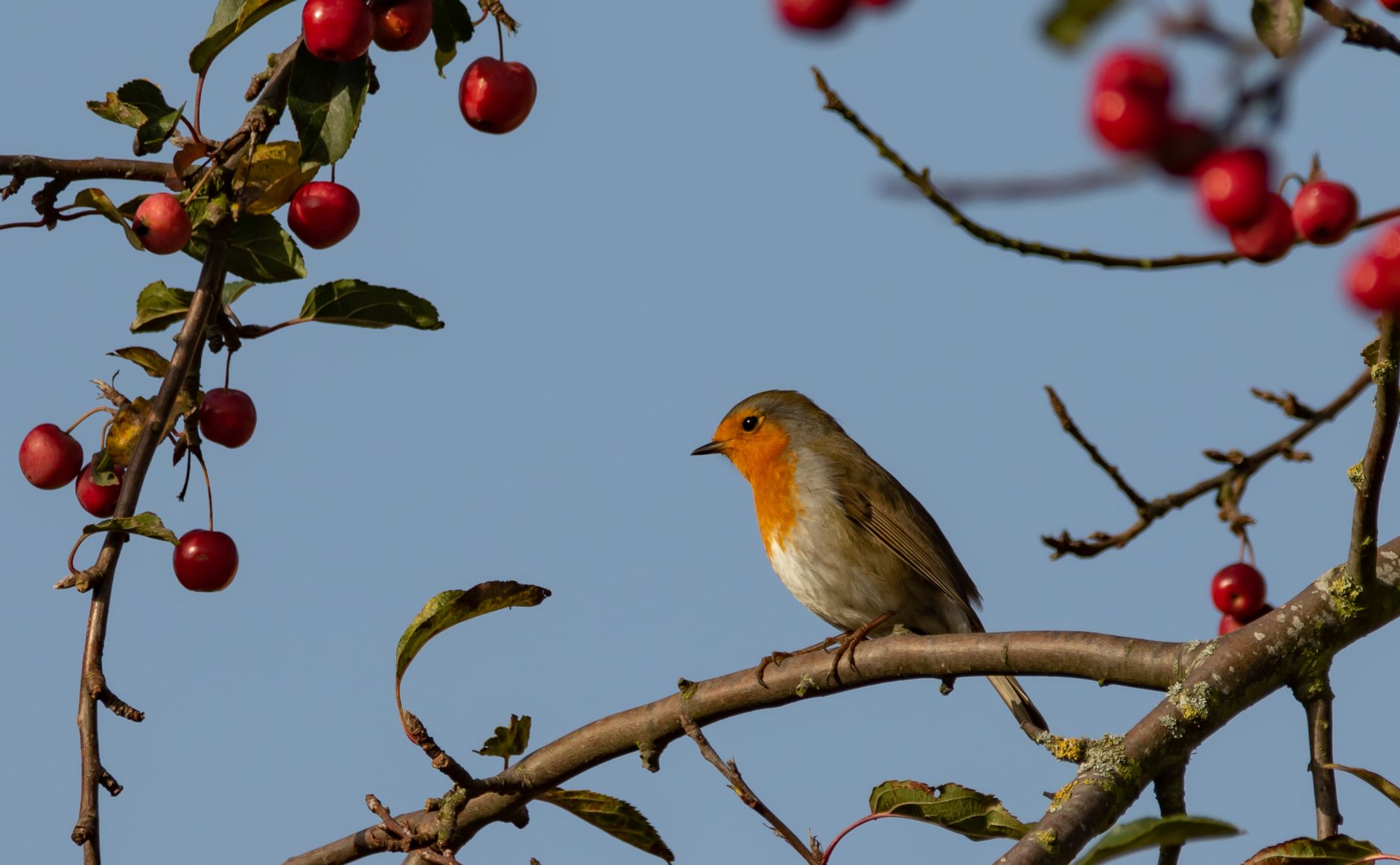
These are just some of the vital connections we need to enshrine in our consciousness. And, perhaps to a lesser degree, but in a way that has become necessary, even the high-speed broadband and fibre connections that inform, that make citizen science relevant, that create dialogues, promote regenerative ways of thinking, change the mindset of turgid quangos and (maybe) some stuck politicians – and which bring these ramblings to your inbox.
Nature IS shouting – let’s keep listening.

