CONNECTIONS (1)

Photo by Raman Yv on Pexels.com

It seems ironic that this summer, punctuated as it is by heatwaves, record-breaking temperatures and wildfires from Suffolk to Sutherland (and that’s just in Britain) I should be so richly entertained by insects. Not ironic that they like the hot, dry weather – of course they do, so long as they have food and water. It’s as though, at the same time that we are forced to stare climate catastrophe in the face, we are also reminded of what we stand to lose. Nature is shouting at us!
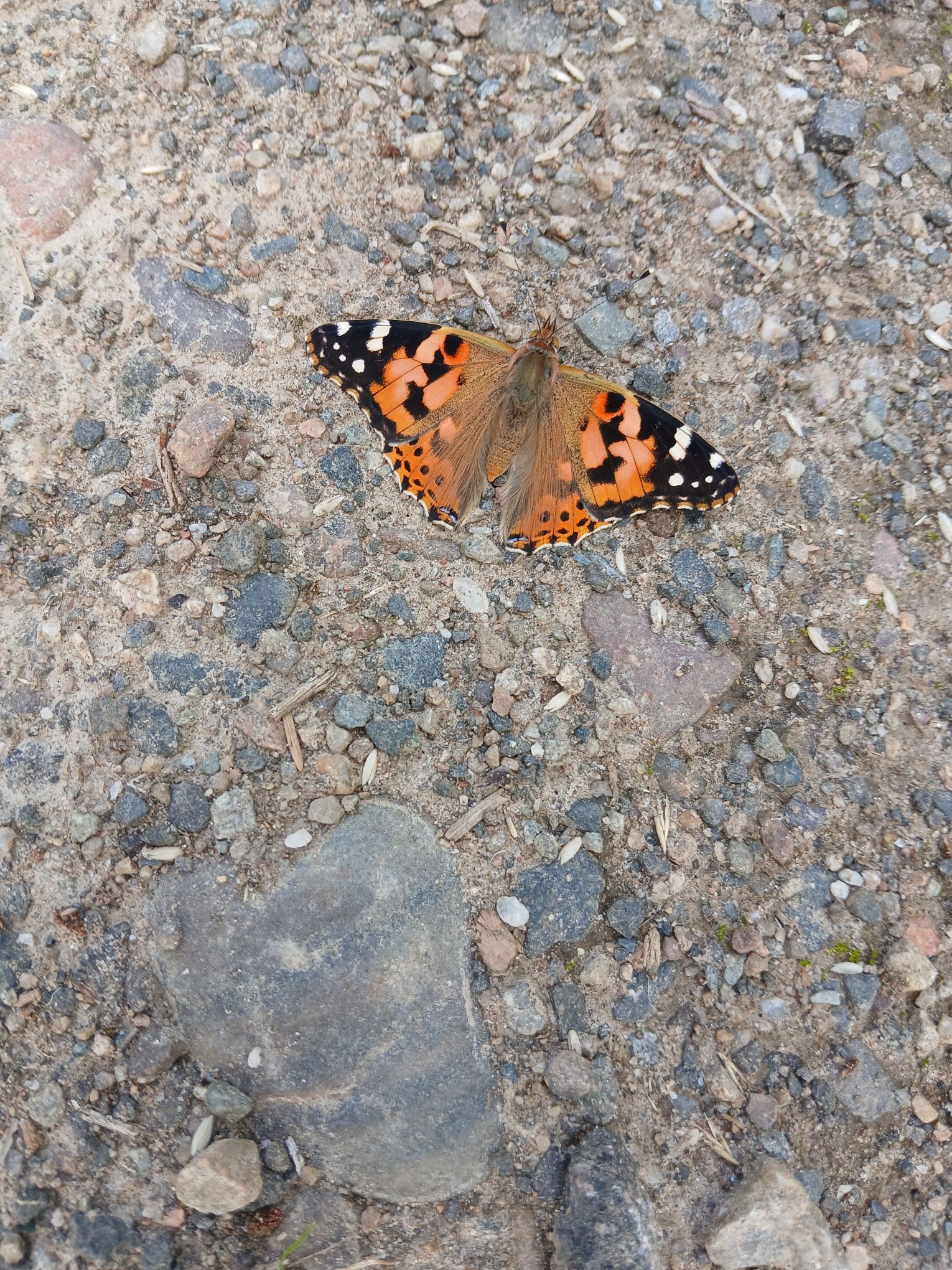
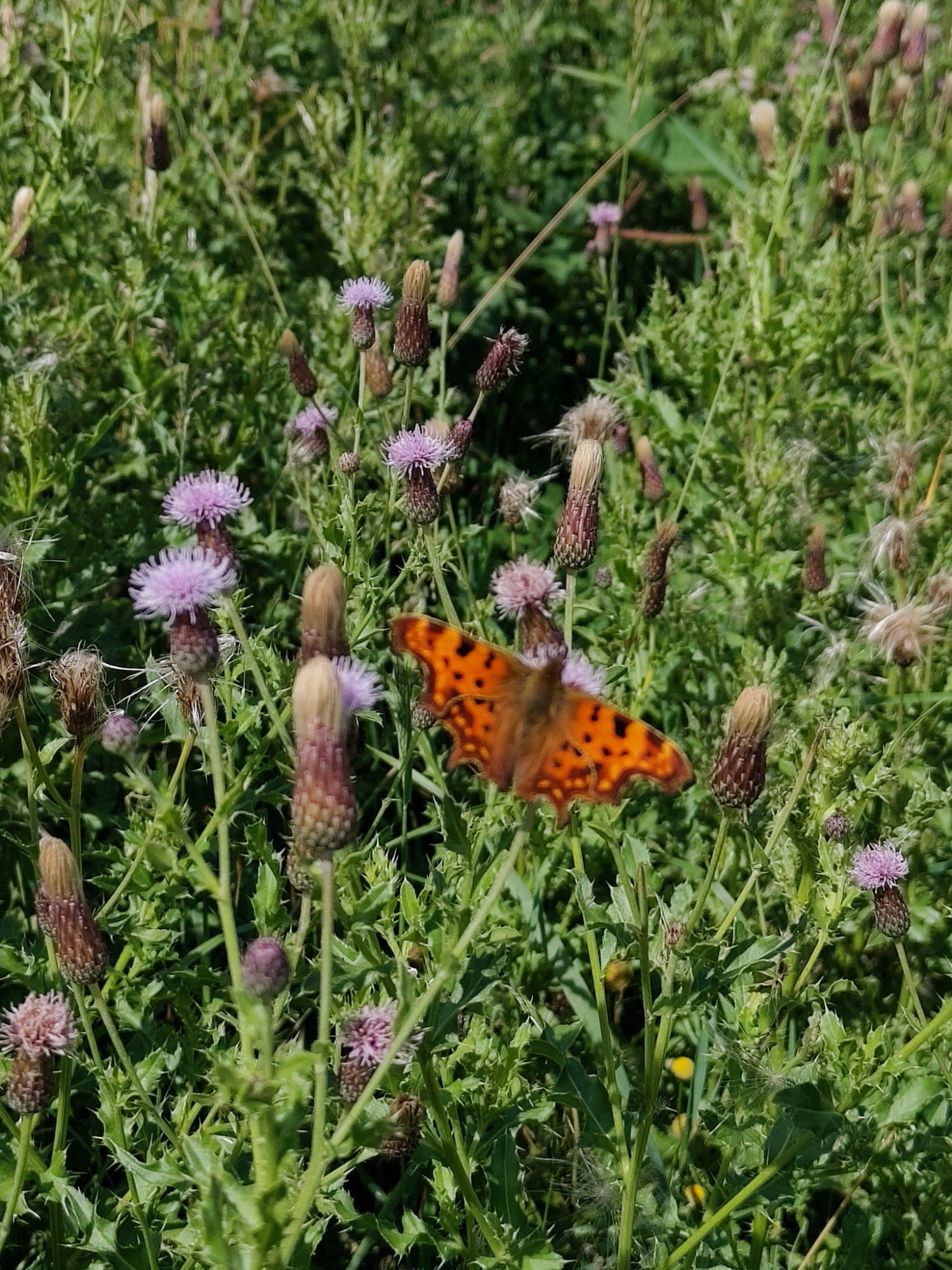
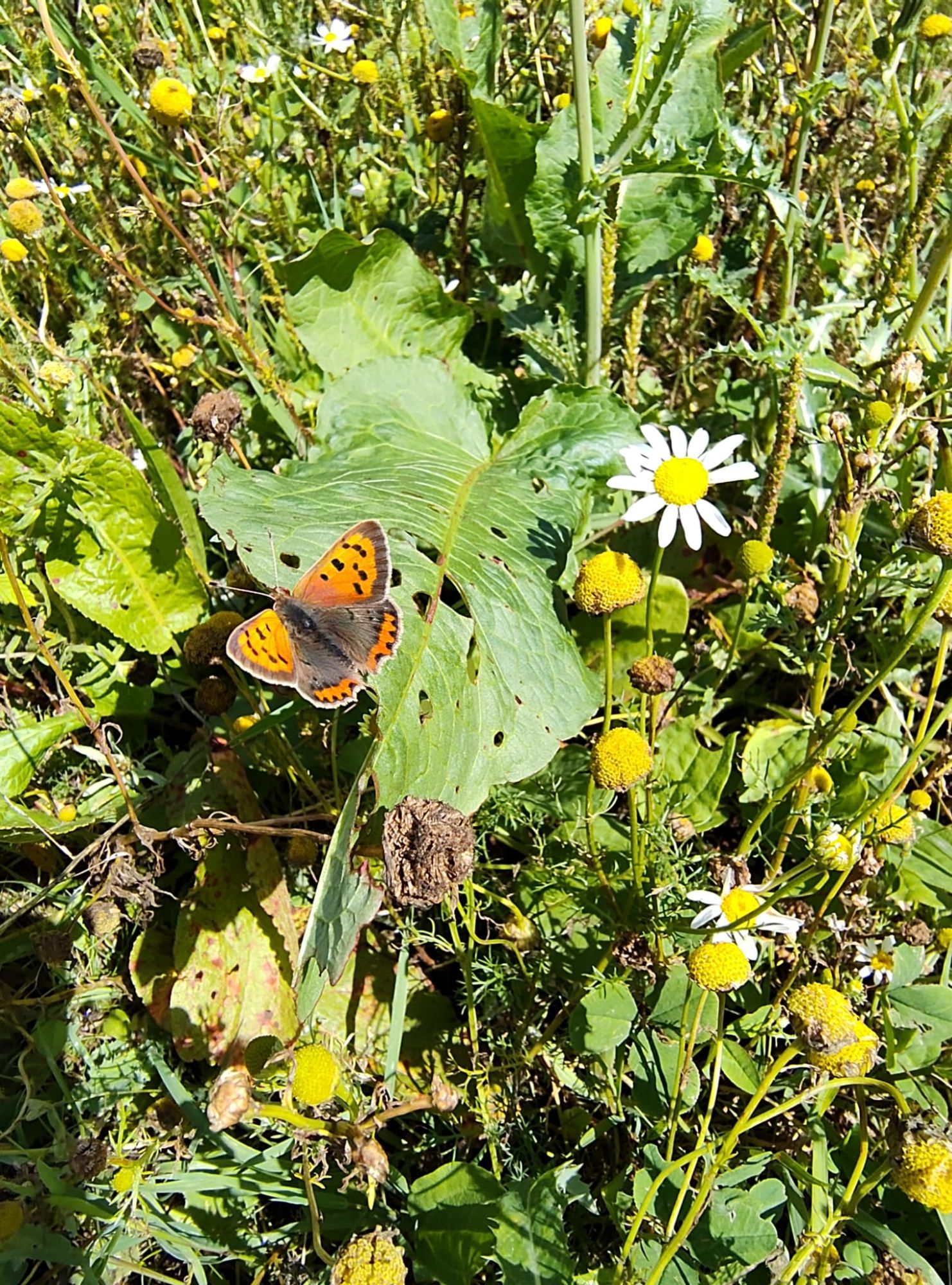
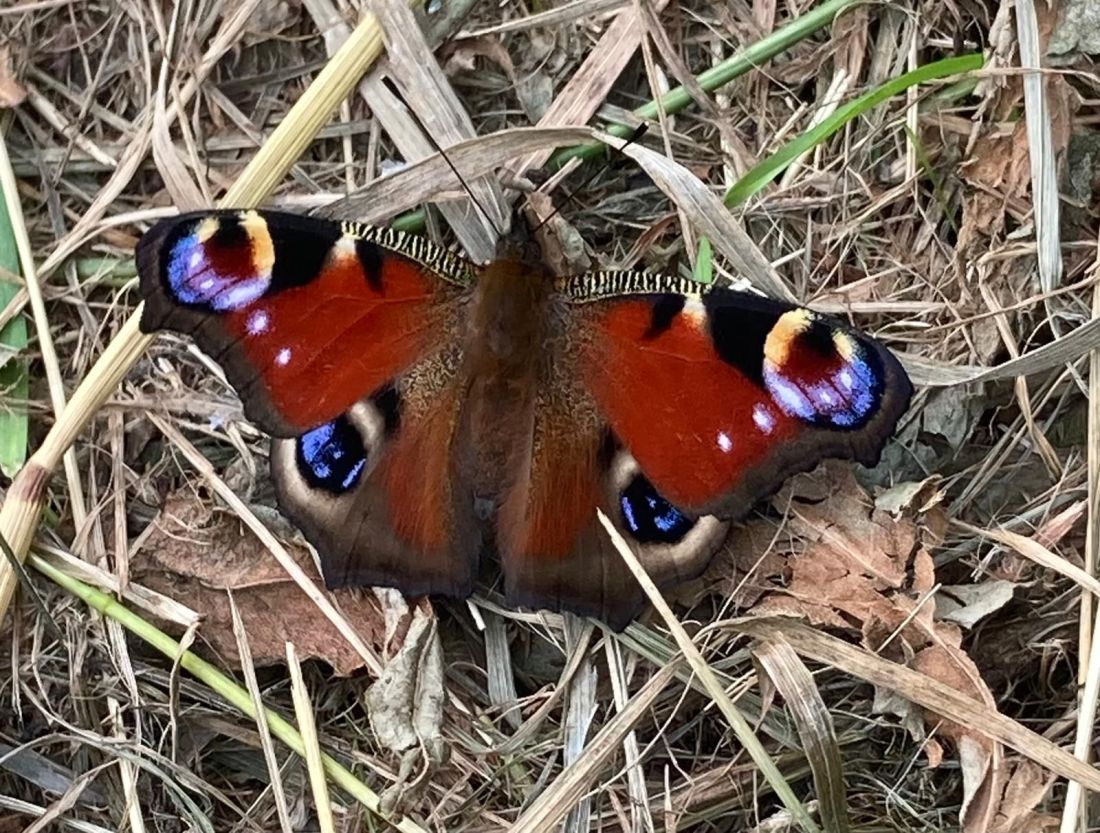
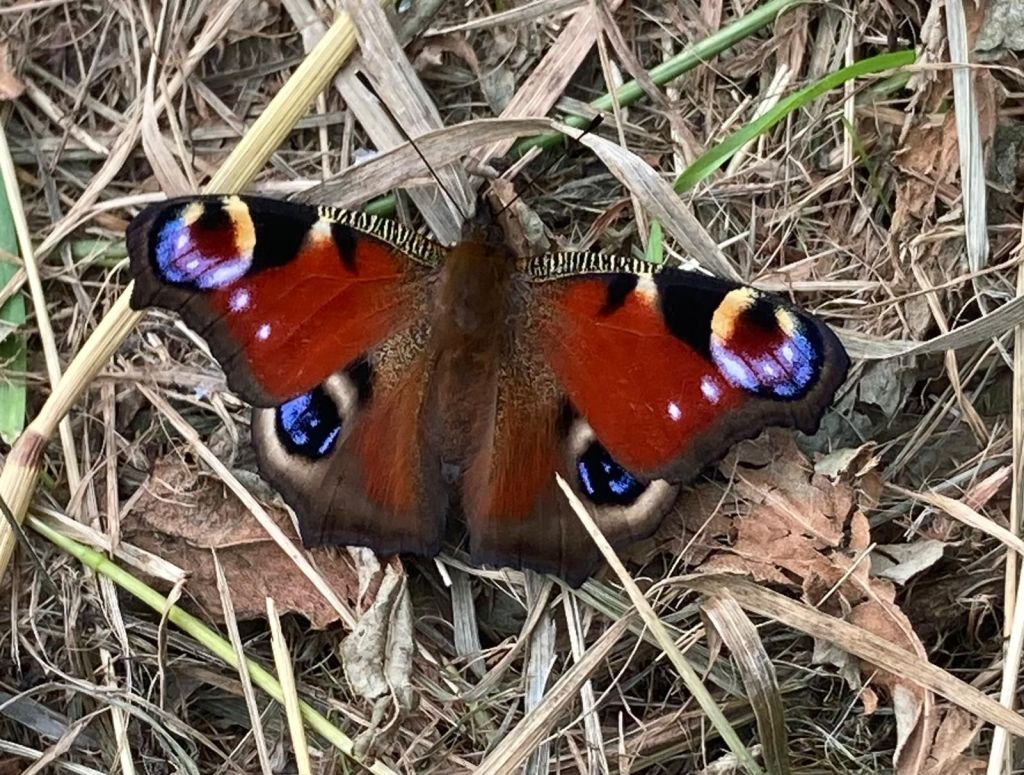
Our local rewilding site (Rewilding Denmarkfield) recorded their highest annual count of butterflies in July, with 3 months still to go, and a wide diversity of bee, butterfly and moth species. In Taymount Wood, a wonderful wild flower walk organised by West Stormont Woodland Group and Perthshire Society of Natural Science culminated in an experience that could only be described as magical – walking through a woodland glade full of knapweed and thistles in flower, where the butterflies and moths were way too many to count, too glorious and moving around us in clouds, to identify. Many were quite common – Peacock, Red Admiral, Meadow Brown – and some less often spotted – Small Copper, Dark Green Fritillary. But identification becomes irrelevant when a Peacock Butterfly is sitting on your arm for ages and you realise just how astonishingly beautiful are those iridescent “eyes”, the sheen of gold and blue and glistening terracotta, the soft hairs around a plump abdomen, the unreal curliness of the nectar-seeking proboscis. In my own garden, where a holiday, a heatwave and a strimmer breakdown caused a dusty meadow of flowering grasses to replace what we used to pretend was a no-cut May & June “lawn”, Meadow Brown butterflies have moved in, and a cloud of micromoths whenever you try to walk through it.
Factors I’d like to think have helped: the careful meadow management regime at Denmarkfield; partly deliberate, partly accidental non-interventions by gardeners like me; WSWG managing to persuade Forest & Land Scotland NOT to cut the path edges just as the knapweed was starting to flower as they’ve done before….

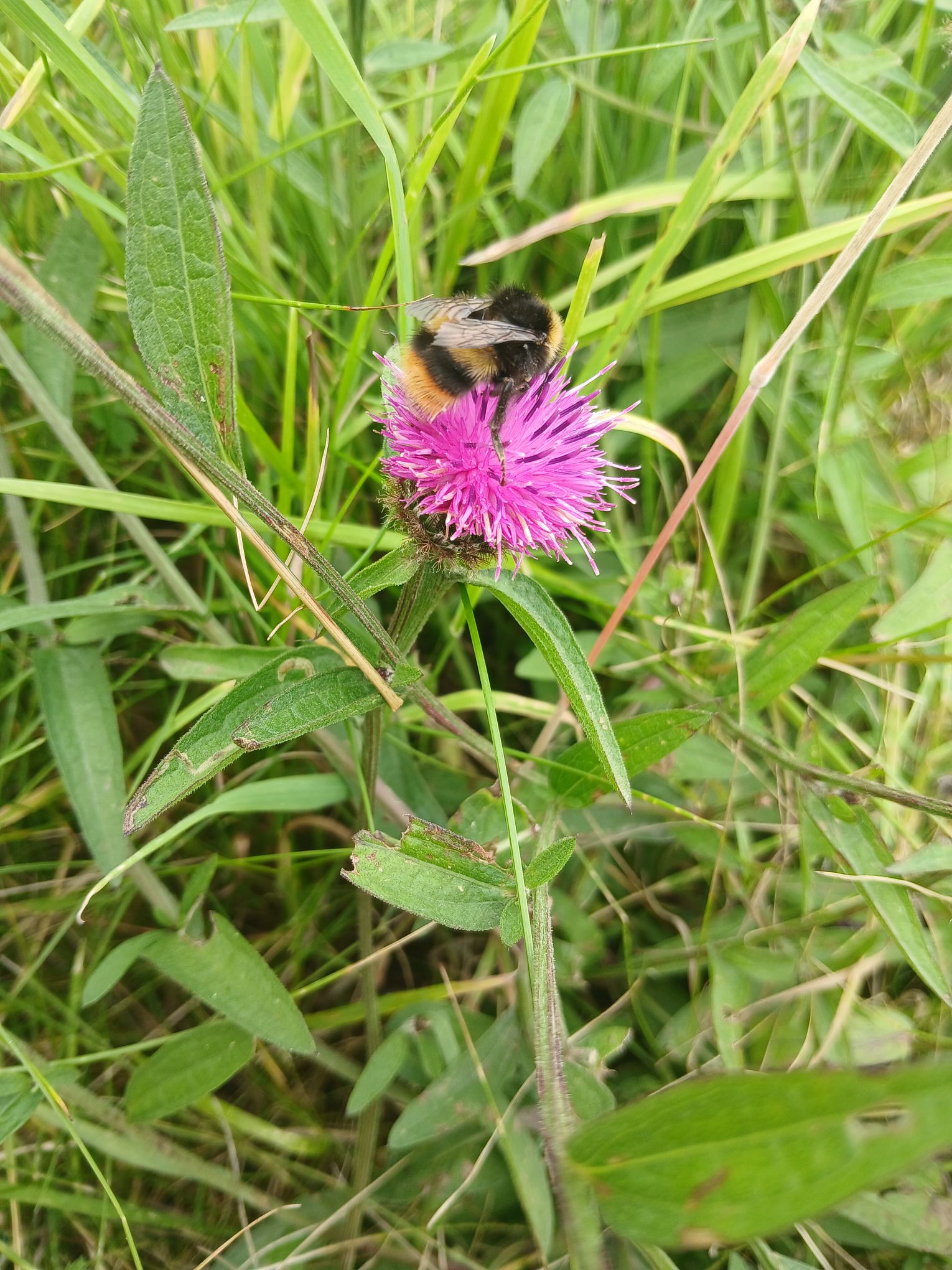
Last week, I did my monthly Bee-walk, for the Bumblebee Conservation Trust. One of my Walks starts conveniently at my front door and this time, I found it hard to get out of the garden! Apart from spotting male Field Cuckoo bumblebees for the first time on the elecampane, there were so many bees on wild oregano and fascinating insects I wasn’t meant to be recording to engage with – as well as an unexpectedly large wasp byke in my comfrey-tea bin to escape from! I nibbled the first blackberries on my way; there has been such a huge crop of Tayberries, currants and gooseberries I haven’t begrudged the blackbirds a share of any of them. And the apple, pear and damson harvest will be spectacular soon.  I continued my Bee-walk, noting, as usual, less insects in general around highly-managed arable landscapes. But the rosebay willow herb in full flow along the verges literally buzzed. It had attracted more Field Cuckoo bees, and all a neighbour’s honeybees. Last month, wild raspberry flowers were the main attraction on this section. Now, most of the raspberries themselves had been eaten, by birds, beasts or humans – although those left, slightly fermenting, were being enjoyed by various shiny flies.
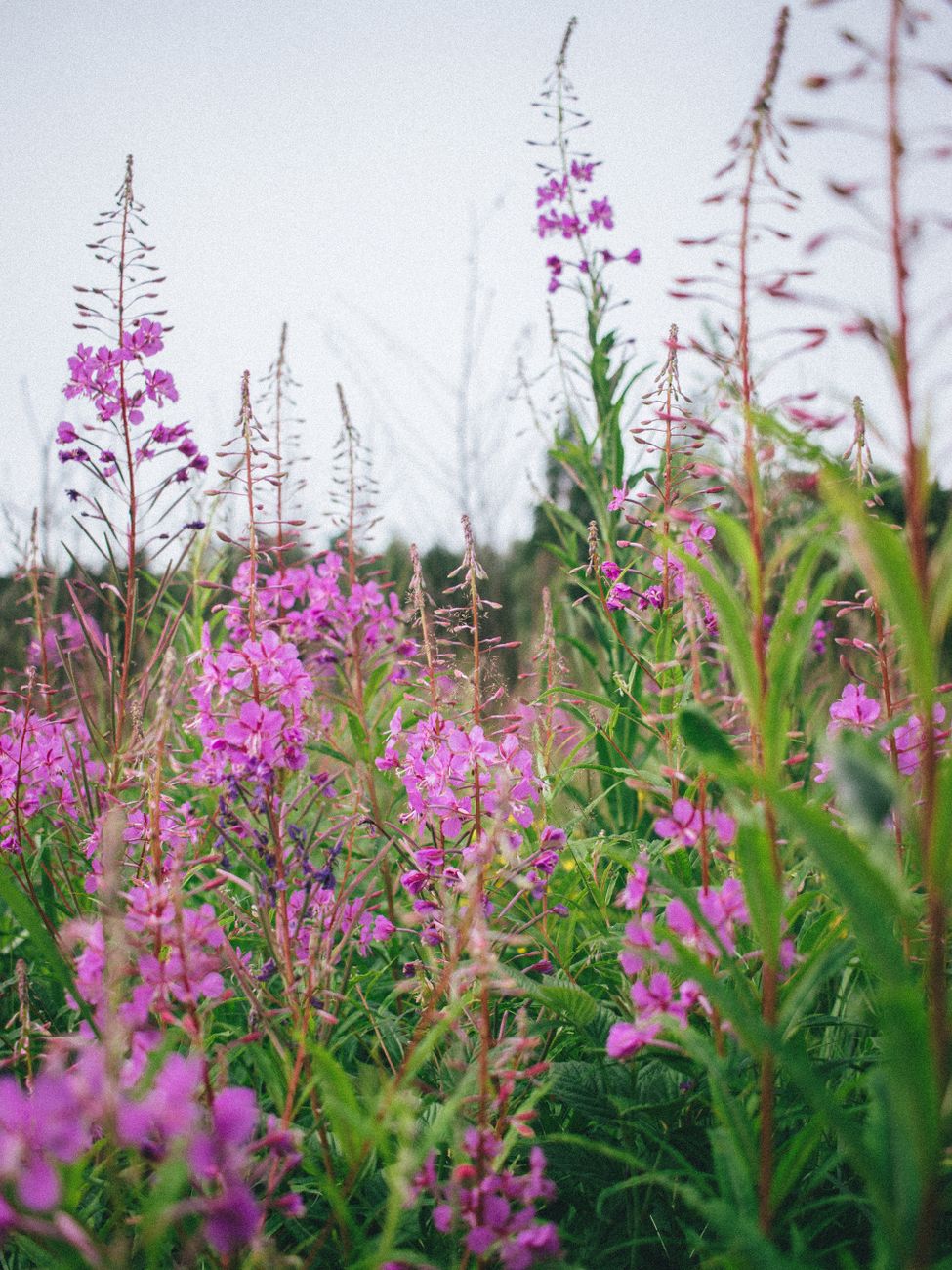
Photo by Kris Mu00f8klebust on Pexels.com

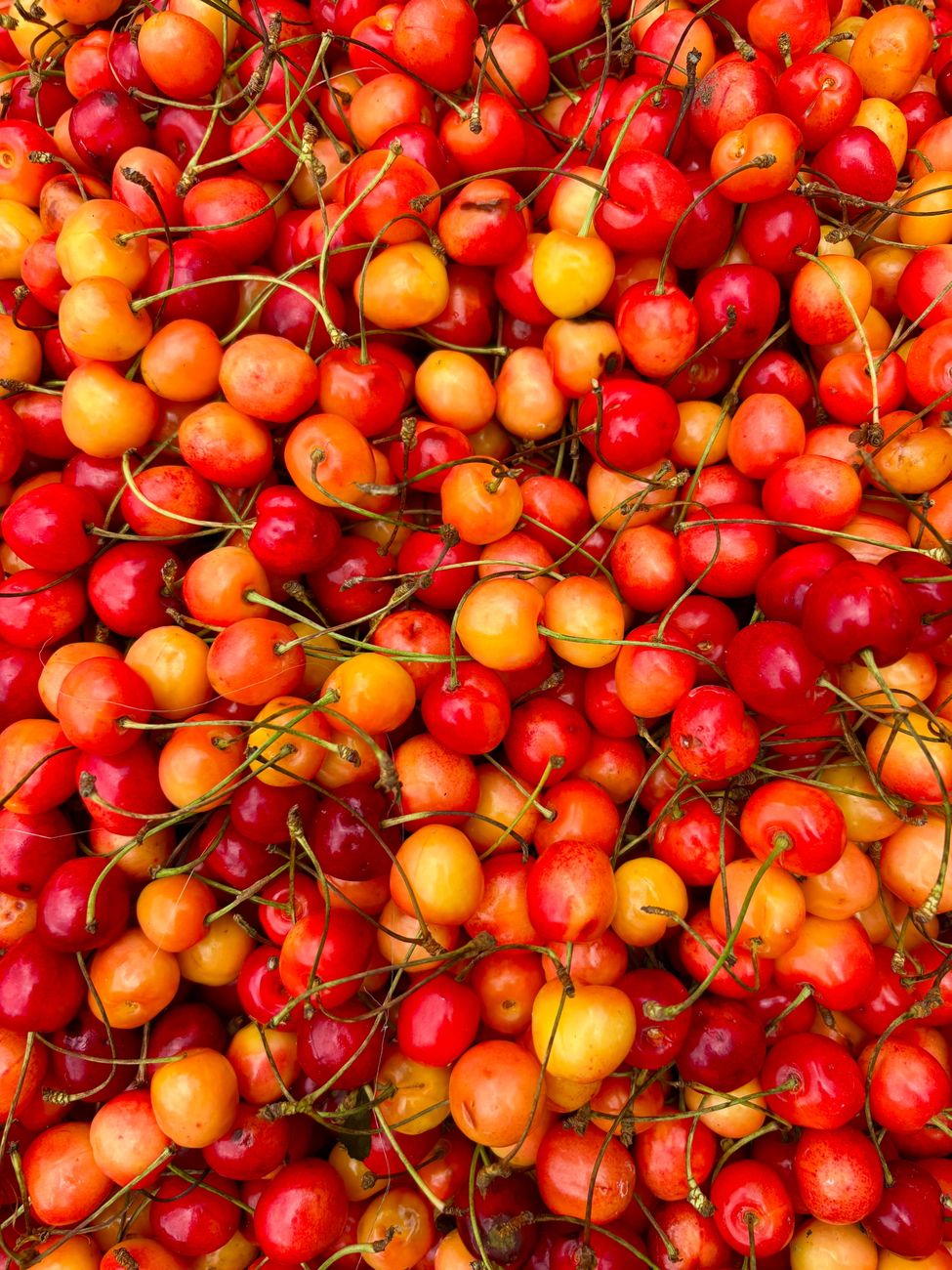
It was a beautiful afternoon, so, bee walk finished, I kept on walking, along the narrow path where I foraged delectable, dripping-sweet gean cherries from the overhanging branches of self-sown wild cherry trees. Gean cherries can occasionally be disappointing – and they are always a quarter of the size of “shop” cherries – but these trees are special. Some produce rich, power packed black fruit, and some crisp, pale red and white ones – all are good. I ate all the ones I could reach by jumping and grabbing a branch, but my high-jumping skills have always been limited. On I went, past stands of feral and wild gooseberries in the hedgerow shade, to hunt speculatively for mushrooms in the wood and sit on my favourite log watching trees grow and fall, and seed swell. There I bumped into Sammy, a neighbouring dog, and his owner, Chris, who luckily is about ten feet tall. We walked back together, exchanging nature notes and helping ourselves to the high-up cherries, spitting out the stones into the hedgerow as we went along.

I thought about connections. Such a buzz-word these days! Do you have a connection? Are you well connected? What kind of connection do they have there? Have you lost your connection? These were the connections I listed:

Between the insects and the flowers, causing fruit and seed
Between the fruit in my garden and the birds who get half of them
Between me and my neighbours, who share the fruit in our gardens, and the jams and jellies we make
Between the animals – squirrels, birds, deer, mice, me and Chris – who eat the fruit and disperse the seed to grow more trees and bushes
Between the trees, bushes and flowers who evolved to survive  through pollination by insects and seed dispersal by animals
Photo by TheOther Kev on Pexels.com

These are just some of the vital connections we need to enshrine in our consciousness. And, perhaps to a lesser degree, but in a way that has become necessary, even the high-speed broadband and fibre connections that inform, that make citizen science relevant, that create dialogues, promote regenerative ways of thinking, change the mindset of turgid quangos and (maybe) some stuck politicians – and which bring these ramblings to your inbox.

Nature IS shouting – let’s keep listening.
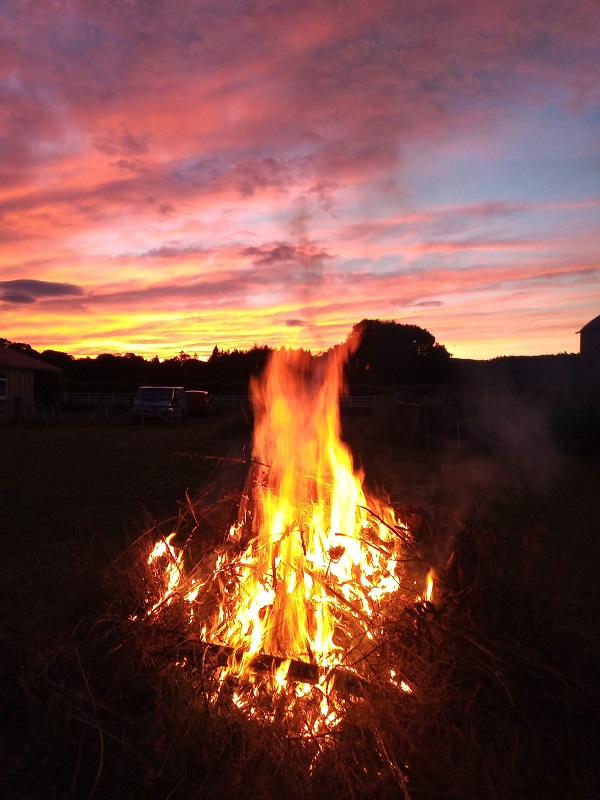
World on Fire

World on fire.
Bats dart and dive
From dusk to dawn
And flicker through the short time in between.

Midsummer comes once more:
Ignites revolution. Sparks fly.
Lightning strikes.

Mutely, between fear and hope,
Once more, we feed flames.

Bonfire: symbol of
What may be a future;
Misunderstood prayer of longest days.
Wild sun on simmering clouds,
Broods still, on midnight’s horizon.

Dawn or despair lies around the corner.
Night is short, disturbed by thunder.
We fan the embers, even though
The world’s already on fire.

The Ultimate Alchemy

seeds2

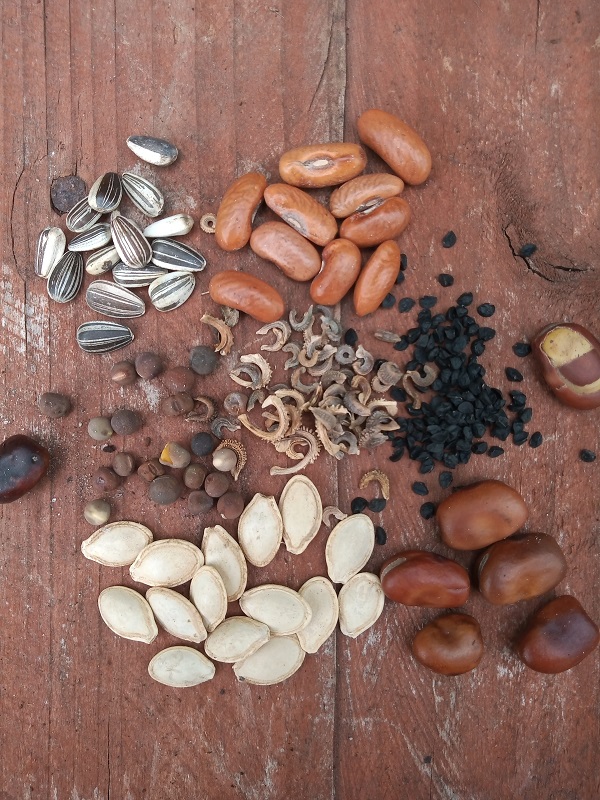
seeds5They are as diverse in shape, size, colour, decoration as any flower. They are self-contained, yet everything is contained in them, however small, to make the tallest tree, the juiciest berry, the wheat we eat, the biggest sunflower, the rarest orchid.

Hold seeds in your hand. Feel the faint pulsation of life, no matter how dry, how hard and rigid they seem. Feel that faint warmth, the tiny voice that says. “I know. I am coming. Plant me”.

In your hand is magic.

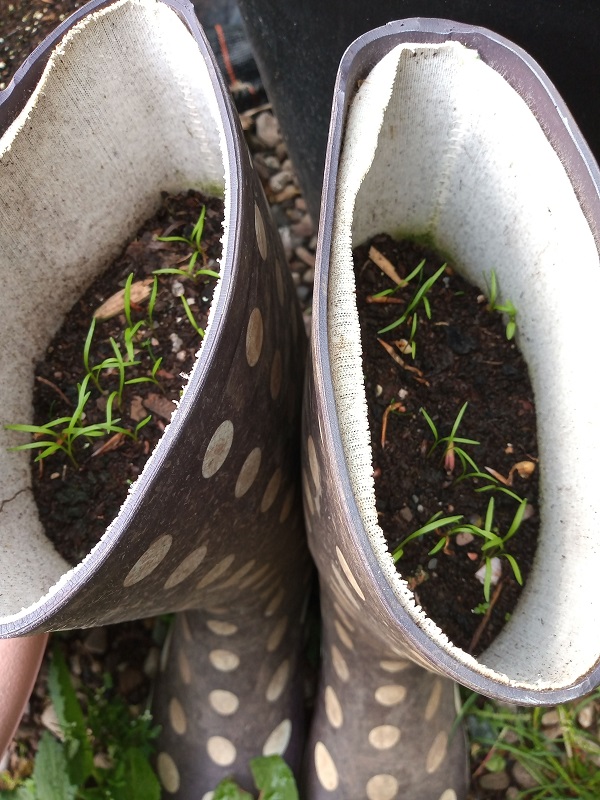
Remember biology classes at school, as dry as these seeds, the dreary terminology of meristem and cotyledon and radicle? No-one spoke about miracles. Yet no-one understands the rapture of the “hooked plumule” until they see their first-ever home-grown seedling – maybe tomato, maybe a pumpkin – shoulder its way through the soil into the open air, then to unhook and open those first seed-leaves.

seeds1

You stare, open mouthed. I did that, you think. I put that seed there. And lo, it is growing. It worked. In that moment, you are caught. You will see this happen again and again, pots of seeds, rows of seeds, the longed-for yet always somehow unexpected eruptions of “seed” potatoes breaking through the mounded soil. But always it will dazzle you, floor you, make you giddy with sudden brief joy.

seeds3

It is the ultimate alchemy – the transformation of small hard mote into living organism. So far beyond the base-metal-into-gold aspiration of mediaeval alchemists, for it has succeeded. And it is a collaborative feat. You may have sown the seed, but the seed has made use of you, and you have grown.

From each seed is the potential for flowers. From flowers, the prospect of more seed through pollination. The promise of seed is the promise that we may eat again, that our children will eat. It is no less than the promise of survival.

seeds4

In today’s world, a pandemic virus coupled with spiralling concern for an environmental emergency has got us all sowing seeds. An army of growers and gardeners is multiplying like dandelions. These aren’t the old-guard, nature-controlling gardeners. When the garden centres closed, we realised our children cannot afford to be at the mercy of a few big seed companies, or side-lined into dead-end F1 hybrids that will not produce viable offspring. We need seed we can collect ourselves, share, save, and keep for following years and new generations. Seed banks and seed libraries (a kinder term, that speaks of sharing and co-operation) are springing up across our land. Is there one near you? Can you start one?

We are a people terrified by the present, grasping for a past that was never really going to sustain us, and reluctant to look at the future, in case there isn’t one. Seeds, in their understated humility, their quiet, warm still voices, carry that germ of a dizzy rapture, that incredible potential.

Seeds are the promise of a future.

(The quotation at the start is from Melissa A DeSa. Community Programmes Director, Working Food)

Everything Must Change

DSCF1433

Radio voices infiltrate
Birdsong, and the low murmur of bees.
They demand our patience,
Promise clever plans, speak wistfully of
Getting back to normal.

Cold winds
Have blown the smog from the skies,
Hushed the traffic, sombrely
Slowed the world down.
With neighbours and friends afar,
We swap and share: seeds, favours, produce,
Recipes, ideas and goodwill.

Oh, but, the radio voices cry,
That won’t be forever. The economy
Will erupt again amid chattering smokescreens,
Rise and fill the air with busy-ness,
Drown out birds and kindness.
Don’t despair. The economy
Will get back on its rotten track.

We’re not to worry. There’s no need
For co-operation, self reliance or hope.
They’ll feed us bread and circuses again. Meanwhile,
Have some crumbs
From the great loaf of capitalism.

No need for questions,
but they’ll give us answers, anyway;
Answers we don’t need to understand,
Data to depress, figures to make us fear
Those cold winds of change.

Let’s not go back to that normal
Of duped dependency, petrified inequality
And the averted gaze.
Swallows have returned. With eyes wide open
We can see the season changing.

DSCF1516

I wrote this in response to the Common Weal #everythingmustchange campaign (https://commonweal.scot/rebuild).

My favourite Parliament

rooks2

I’m infatuated with the much-maligned Corvidae, or crow family. There’s a stag-headed oak at the top of the Brae where they hang around as winter drags on, reminding me always of the poem “February” by Edward Thomas:

Over the land freckled with snow half-thawed
The speculating rooks at their nests cawed
And saw from elm-tops, delicate as flower of grass
What we below could not see, Winter pass.

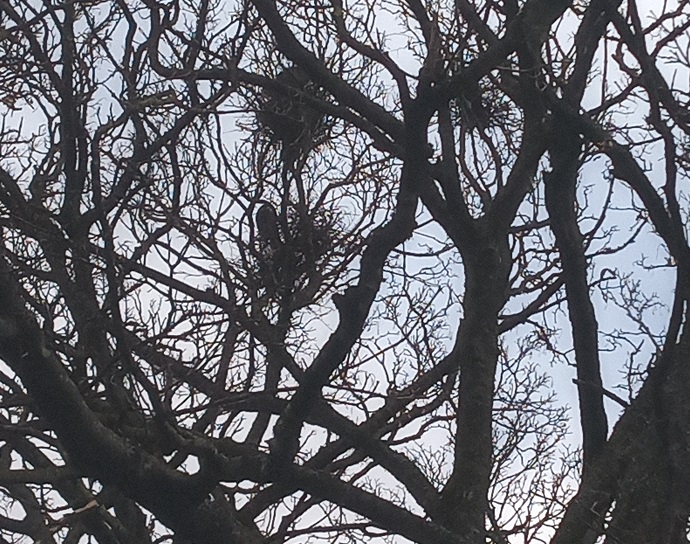
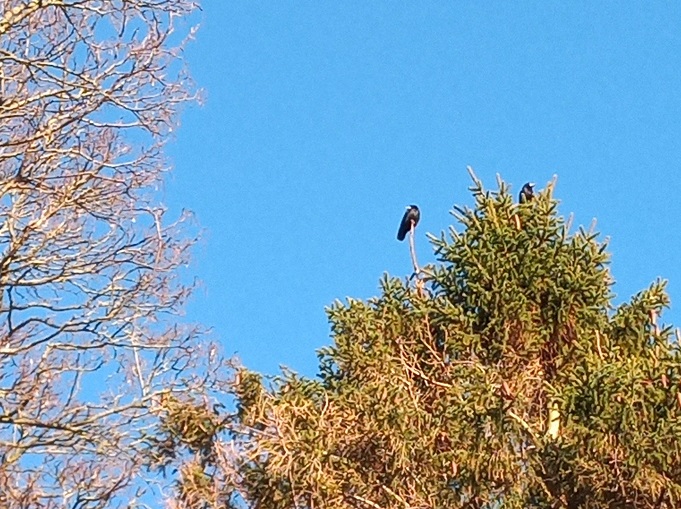
A couple of years back, a pair of crows made a nest in the big sycamore tree that dominates the top end of my garden. In 2019, they returned with their pals. There were five nests under construction before my bird expert neighbour confirmed that I was wrong, Andrew was right, and these were not crows, but rooks. I had a rookery! Seven pairs nested last year, and the cacophony of feeding and fledging times was a raucous delight.

Last month, the rooks came on a visit. It was shortly following one of those weirdly named storms that have been the scourge of late winter here, and there was very little evidence left of last year’s colony. The rooks, about ten or a dozen of them, sidled about all day from branch to branch, engaged in some heated debate. Bits of twig were moved about, for no apparent reason. Several birds were seen bearing off the last remnants of a nest to some other location. Then they all flew off.

The collective noun for a group of rooks is a parliament. I can see why. That day, the debate went round and round in circles, no consensus was reached, and the parliament was either adjourned or illegally prorogued while certain individuals went off, presumably to feather their own nests. Although the odd rook came back to cark dismally during the next week or two, I thought that was the end of my rookery. A decision had been clearly made that the cost of rebuilding and renovation was too high and too risky, and they’d be better together with the big rookery at the other end of the village, established as long as humans here can remember, and probably longer still.

(I’m really, really trying not to be allegorical here, but it just keeps happening.)

rooks3

However, last week they returned, and resumed the debate with alacrity and much carking and cawing, retiring into the division lobbies in the neighbouring fir tree whenever the wind blew. Samples of twigs were brought in for inspection, passed around and tested for strength and engineering capacity. Rook nests are built near the top of a tree, and construction is meticulous, more complex than it looks, and uses only the right materials. Fortunately, rooks are among the most intelligent birds on the planet. In hopeful enthusiasm, I pruned the remaining pear and apple trees and left the twigs lying under the sycamore for the parliament to debate. They ignored them.

I could see the parliament was beginning to divide on party lines – lots of parties, each consisting of only two birds. Rooks are monogamous and mate for life. If this parliament consisted largely of last year’s babies, they were choosing their partners. Older birds were teaming up with theirs, and after a year of (presumed) abstinence, were making up for lost time. The branches rocked and see-sawed. Loud carking was sometimes interrupted by a melodious burble like a badly-tuned harp. The debate sounded more purposeful, and a nest began to appear.

I’ve been trying to fathom whether a parliament of rooks works collectively on one nest at a time. I can find no reference to such behaviour, so probably it’s just my fond imagination that sees the construction of a rookery as a kind of avian barn-raising. But there seemed to be twigs coming in from all directions, borne tenderly in those heavy grey bills and placed on or near the nest.

rooks4

Yesterday, a second nest was well under way. This morning, there were the beginnings of a third. I met four of the construction team in the stubble field as I was walking the dog. They were gathering bills full of short pieces of straw and flying directly to the building site. So much for the basket of dog hair I put out for them to line nests with! Maybe the blue tits will make use of it. I went out to check on progress just now, and counted ten birds in the tree, at least another ten supervising from the air, plus two fat wood pigeons fornicating aimlessly as they do. I’m pretty certain there’s at least one nest in the fir tree too, as two rooks dived in there, trailing long bits of stick behind them.

The other collective noun for these birds is a Building. I think my small (but fiercely independent) parliament has assessed the weather damage and consequences of climate change, has debated in full its response, has gone out to build or retrofit its housing stock using the best materials for energy conservation and the best techniques for sustainability. It’s stopped jabbering about targets and is now a Building of Rooks.

Other parliaments may wish to take note.

rook1 apingstone
(Rook at Slimbridge, by Adrian Pingstone)