When you know winter is coming…

The turn of the season is felt, not so much as a drop in temperature or the way the need for warm socks and waterproofs creeps up on you, but in the way the woods smell different. Decaying leaves, leaves still on the trees but for whom decay is imminent: the smell, for me, of being 11 years old and at a new school, where our introduction to Biology was the invitation to compile a Biology Scrapbook over the course of a year. Diligently, I collected all those leaves on the point of rotting, pressed them in encyclopedia volumes, and learned, when I next opened the books to mount them, the subtle distinction between the smell of sycamore, poplar and oak leaves in autumn.

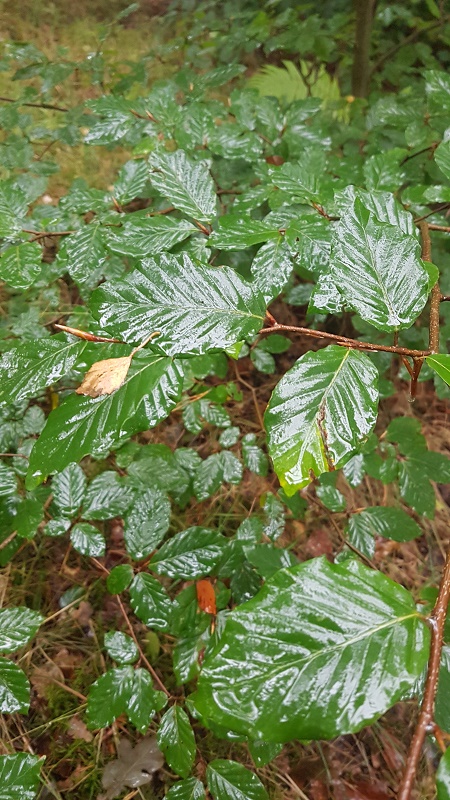
Today, a soggy Saturday in October, Five Mile Wood smells again of the Biology scrapbook. Weaving in and out of the olfactory hamper of autumn comes the odour of wet grass, heavily trodden, and the varied aromas of dozens of species of fungi, seen and unseen. It is raining, softly but insistently, the rain bringing its own subtle influence on how each smell is perceived, like a wash applied over a freshly executed painting. Beech leaves, nowhere near inclined to fall, glisten with rain. I am challenged to keep the rain from running down my neck, challenged by the chill in the air, challenged by the distraction of mushrooms, all of which breathe of magic, and the resulting lack of time that cut this walk a wee bit short.
I won’t bore you with more gratuitous gloating about the basket of edible mushrooms I took home to dry or make into fungus and ale pies, nor with more photos of the ones I can identify! But today, the woods presented me with an excitingly unknown fungus, the likes of which I’d never encountered in decades of mushroom-hunting.

(Actually, the woods do that every time I go foraging, for there are many, many mushrooms I cannot differentiate. But as I know they’re not on the “edible and good” list which is tattooed into my brain, I indolently dismiss them as “small brown jobs”. Which they usually are.)

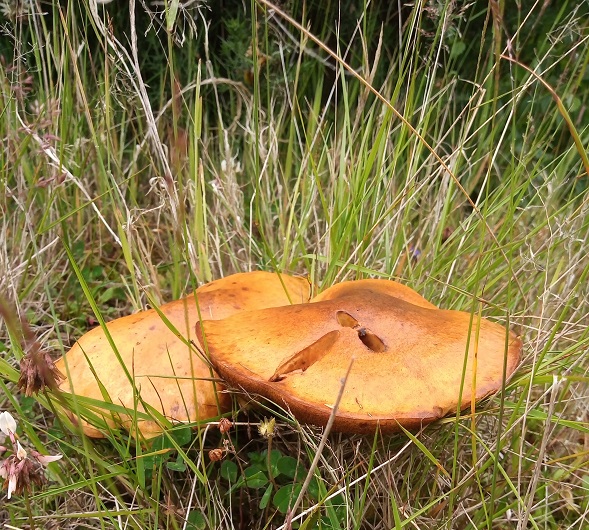
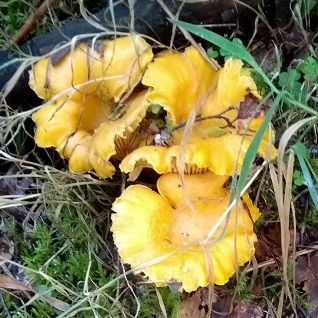
Today’s find was different, a real unknown unknown, to quote Donald Rumsfeld. Bright orange-red balls popping up through the grassy banks between the path and the ditch; I first mistook them for discarded tomatoes. But they were fungi, no question, and when I cut one open to help identify it, it was hollow, with pale coloured ribbing inside. I had never seen anything like it, but as it was so distinctive, I expected identification to be straightforward.
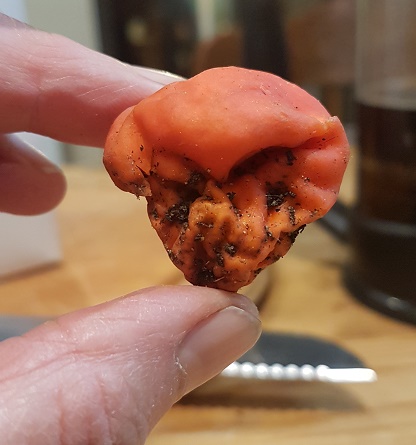
So far, I have not found this species in any of my books, and have drawn a blank from the social media mushroom groups from whom I begged enlightenment. Someone said they’d once seen something similar, but yellow, only got distracted by all the edible ceps nearby. Easily done! I have contacted the Tayside & Fife Fungi Group, and wait in hope. I will find out…. Perhaps someone reading this will have the name, and be laughing at my ignorance?
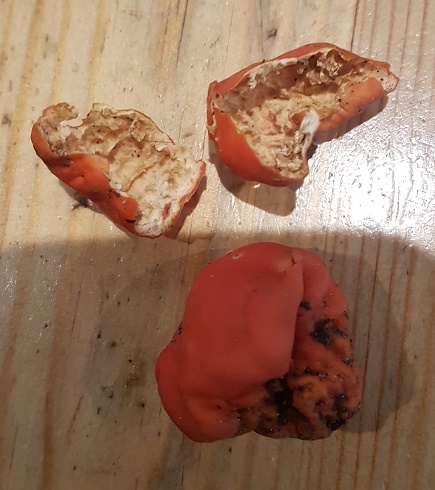
Inside and out….

Gimme Shelter!

This post was written for West Stormont Woodland Group as part of the Gift and a Challenge series. To find out more about WSWG, go to weststormontwoodlandgroup.scot

And the wind whistled over…..

To begin with the challenge – it’s March. The month that can’t decide whether to ally itself with winter or summer, blows literally hot and cold – but blows anyway, more often than not. This March, temperatures have veered spectacularly – almost hot at times when the sun is fully out, only to evoke shivers and a sullen quest for shelter when the sun goes behind the never-far-away bank of clouds.

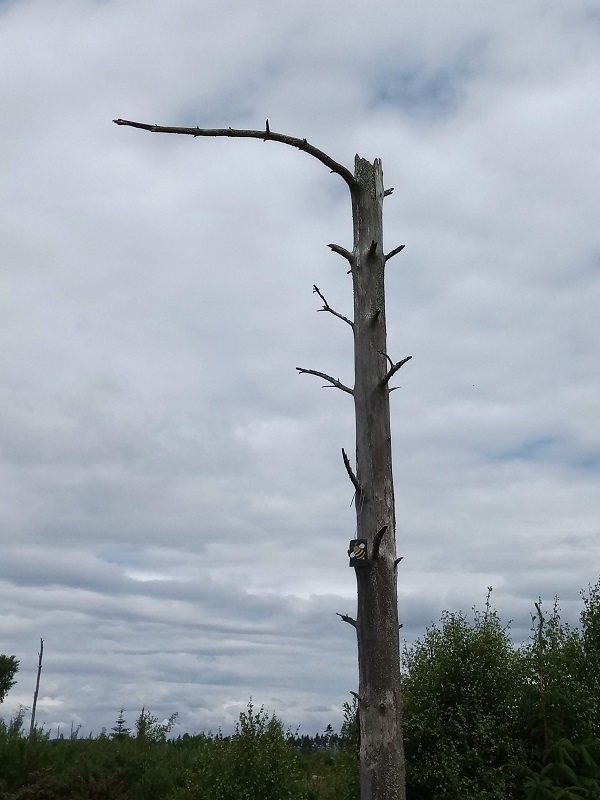
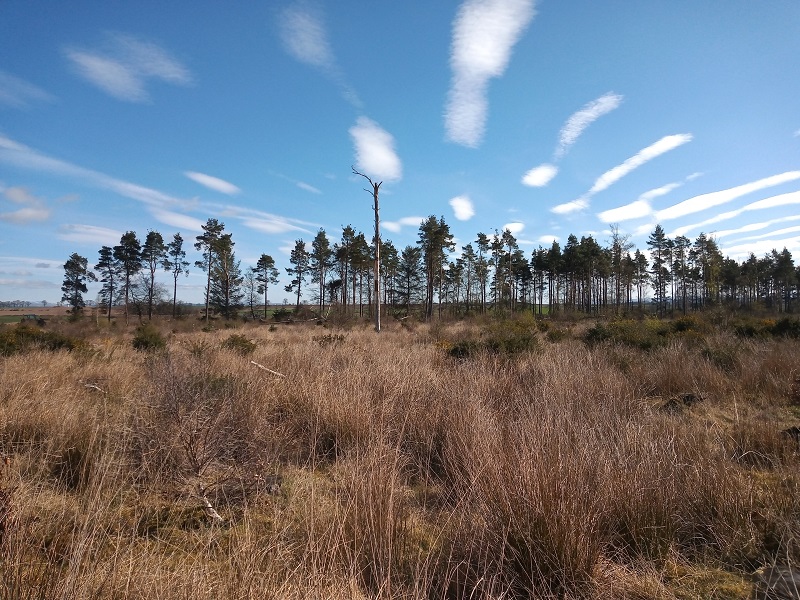
The track in Five Mile Wood is set high around the hill; the clearance of the windthrown central forest has left only bare, angular, dead or dying thin trees, leafless and affording no windbreak. The wind skitters over the gorse; the tall grasses and herbage of summer still skulk in the earth. Between the grey and ghastly yellow of dead wood, last year’s vegetation lies smashed and parched, husky and brittle, desiccated by months of ice, snow and frost.

There is nowhere to hide. Nothing to distract, punctuate or alleviate the March winds and the wreckage of a long winter.

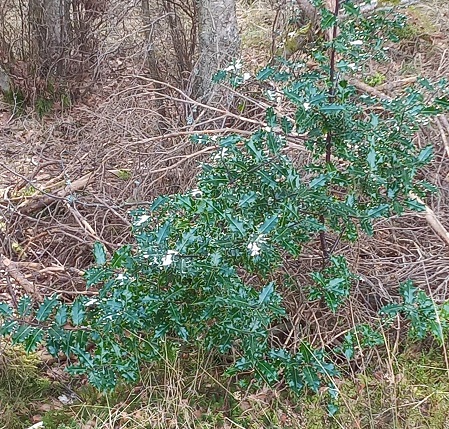
And so to the potential gift from the woods – one that might, with time, give some respite from the challenge of March. We have few native evergreen trees; apart from the magnificent Scots Pine (which can be poor shelter when most of its branches are way above our heads), there are only holly, box and yew. Holly is an important food source for many birds, especially the blackbird family and the robin from the Christmas card, and into any suitable habitat those birds will pass the seeds from all the berries they devour. Thus, holly will start to appear in snatches of clearing or under bigger trees, the seedlings going unnoticed until the taproots are impossible to get out. It was a relief to see, on the margins of the cleared gap in Five Mile Wood, a couple of well-established young holly bushes. They may have grown from seed from a mature tree decked with twining stems of honeysuckle, that grows beside the track, on the edge of the wood.

Baby Holly trees

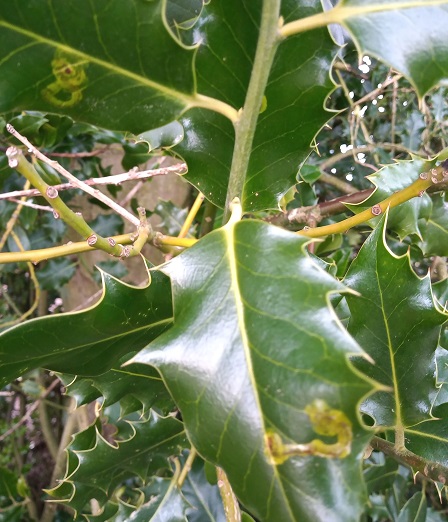
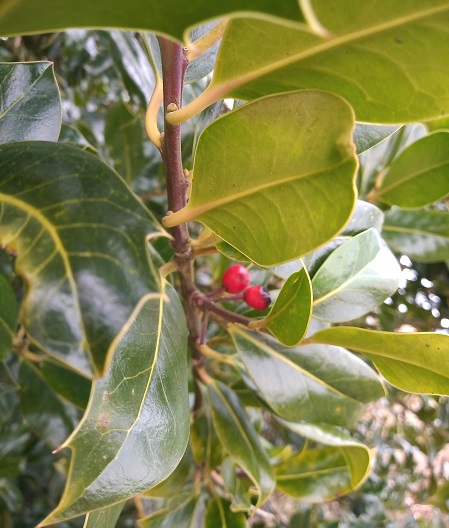
Hollies are dioecious. You get male trees and female trees, and only the females have berries. In March, there are just a few berries left, lurking behind the armoured leaves, while a thrush skulks in the greenery, hunting them out. He is just beginning to try out his repetitious mating call. Aside from shelter from March winds and berries for birds, holly is one of the most valuable wildlife plants and a real gift to have in a wood. Wood mice and other small mammals also feed on the berries, and deer enjoy a prickly snack of holly shoots. The holly by the track is already playing host to the Holly Leaf Miner – an invertebrate recognised by the squiggly patterns of its tunnels, between the upper and lower surfaces of the leaf. They have co-existed with the holly tree for a very long time, and do little real harm to the tree, although the texts of horticultural imperialists will make them sound like the devil incarnate and command the use of an army of chemicals to destroy them.

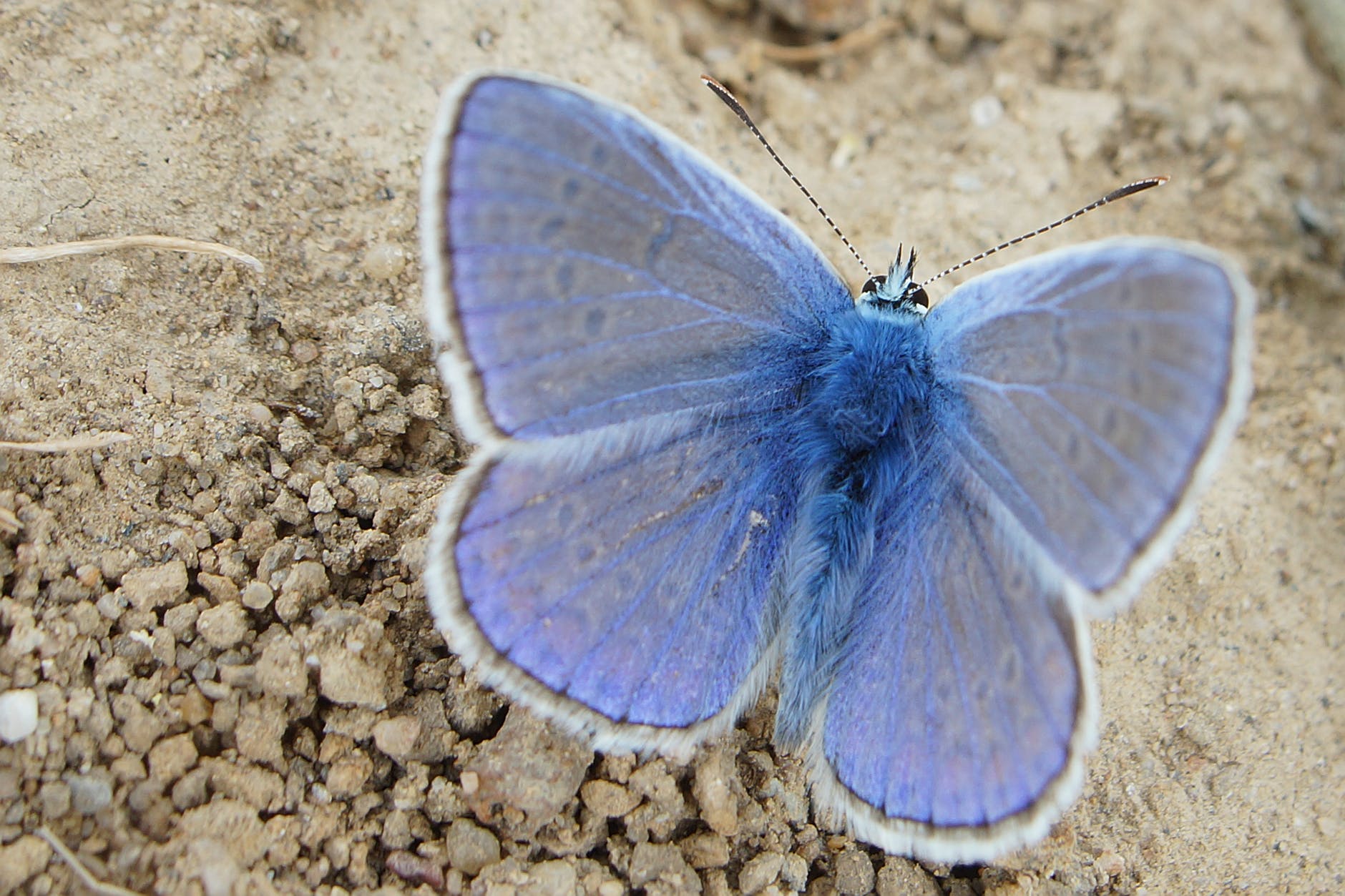
There is a very beautiful butterfly, the Holly Blue, whose caterpillars in spring feed almost entirely on shoots of holly, and later broods move onto ivy. It’s not common in Scotland, although it has been seen dotted around. The looper caterpillars of the holly tortrix moth, as well as many other insect larvae, seek refuge in this prickly tree too.

Photo by Ronald on Pexels.com

And like all evergreens, it provides impenetrable debris for hibernating hedgehogs and is a formidable cosy shelter tree for roosting or nesting birds. Not to mention windblown humans in March.

Whose Woods are These? I think I know….*

(This is the first in a new series of posts for West Stormont Woodland Group. From fear or repeating myself, I thought I’d write about the fact that each month, the woods have a Gift for us. And every month, there is at least one challenge that faces us – whether physical, philosophical or organisational – in contemplation of owning woodland as a community.)

FEBRUARY’S GIFT: GORSE FLOWER TEA

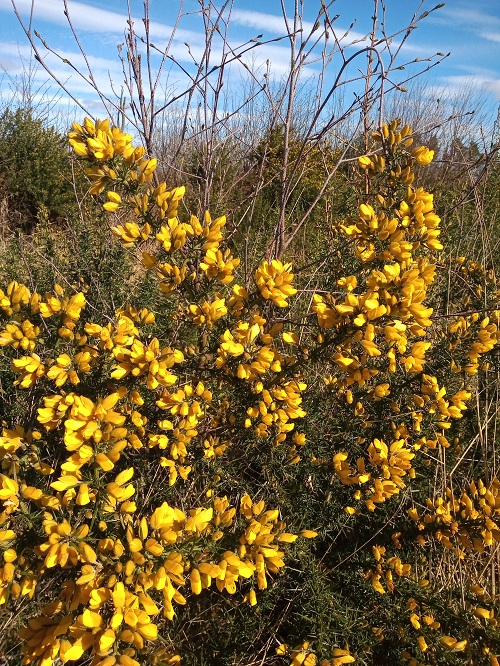
Of course, there are gorse bushes in flower in February in Five Mile Wood. There are gorse bushes in flower in the woods every month of the year, providing pollen and nectar for insects out too early or too late in the season. Some ancient lecher noticed this and spawned the saying “When gorse is not in flower, then kissing’s out of season.”

Gorse in flower in a cold and clenching winter such as this of 2021 is a real gift. It’s too cold to detect the rich coconut smell from them which can be almost overpowering in high summer, but the gold dazzles against the grey landscape of February or keeks through the smothering snow. Gorse has been used for many purposes, from feeding tough-mouthed horses in winter to sweeping chimneys. It’s a nitrogen fixing plant, like all the pea family, and imparts fertility to the soil. Burn it, and the alkaline ash is good for cleaning soiled linen.

The flowers themselves are used to make a yellow dye, and whether it worked or not, some dairies insisted that feeding gorse to milking cows made for a rich yellow butter. I don’t use gorse for any of these, but I do make gorse flower tea. It looks wonderful swirling around a glass teapot and you might catch a breath of that coconut smell. Don’t expect to taste it; it’s a very subtle (or absent!) taste. If you look hard you may find early shoots of nettle in the woods to give the tea some substance.

But don’t pass the gorse on to anyone else – allegedly, making a gift of gorse guarantees you’ll end up fighting. It’s the woods’ gift to me in February, and I will have no quarrel with the woods.

A CHALLENGE FOR FEBRUARY: WHOSE WOODS ARE THESE?

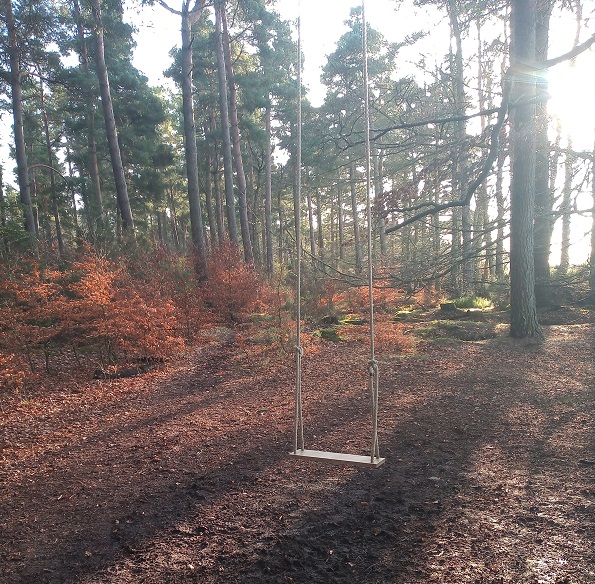
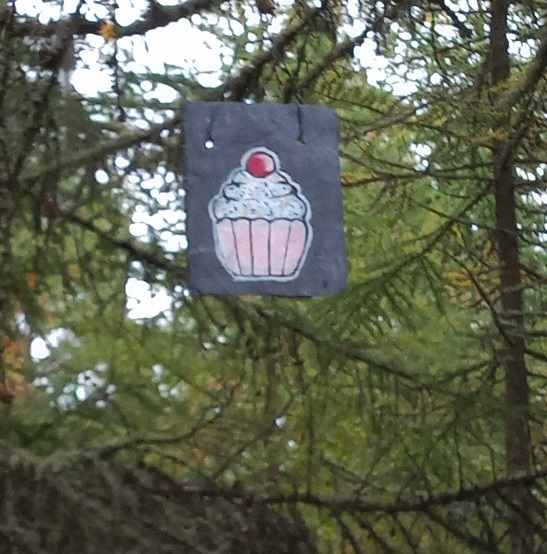
I think the woods are used more now than I remember in over twenty years, Evidence for that lies not just in who you meet, but in new tracks veering off, in small acts of clearance, in scattered pieces of art, in well-maintained articles of recreation like the new swing in the picture. Using the woods implies a sense of ownership, a vested interest, a certainty of relationship. A future.

But are we all buying into this? And will that feeling of belonging translate into an actual belonging? If Five Mile and Taymount Woods are to be taken into community ownership, it’s essential that community identifies itself, makes itself heard and provides the evidence of its existence that will count.

This month, West Stormont Woodland Group will begin a Community Consultation on the proposals the group has been working on for the two woods (or, as it’s widely seen, the one wood with a gap in the middle). Of course, Covid restrictions have forced the consultation to be mostly online, but this shouldn’t be seen as a problem – taking an event online in my recent experience amplifies and multiplies its reach and scope. There is a new website dedicated to the consultation, which launches on 22nd February; details can be found at http://www.weststormontwoodlandgroup.scot ,on Facebook, or by emailing contact@weststormontwoodlandgroup.scot

The challenge is to get you, me, all members, all non-members local to the communities around the woods, all of us starting to think these woods might be ours, to contribute to the consultation. Spread the word!

*Quoted from the opening lines of “Stopping by Woods on a Snowy Evening” by Robert Frost.

Exits, Entrances and Crossroads

A post for West Stormont Woodland Group

Is there an artist in the wood?

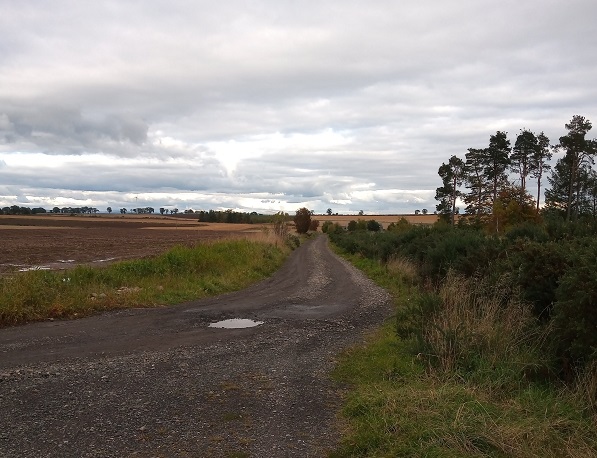
There is, really, only one easy way into and out of Five Mile Wood – at least in October. That’s from the south end on the Stanley to New Mill cottages road – currently a bit of a no man’s land thanks to the dualling of the A9. Here the track is clear, broad, made for forestry vehicles – and you can even park! At the north end, there is also the old straight track I’ve written about before, from South Barns and beyond that, with a diversion to Bankfoot. Follow the line of this track and it will take you to Dunkeld, once a mighty ecclesiastical seat. I learned last week that from Dunkeld to the wood it’s five miles – hence the name.

I wonder what happened to One, Two, Three and Four Mile Woods?

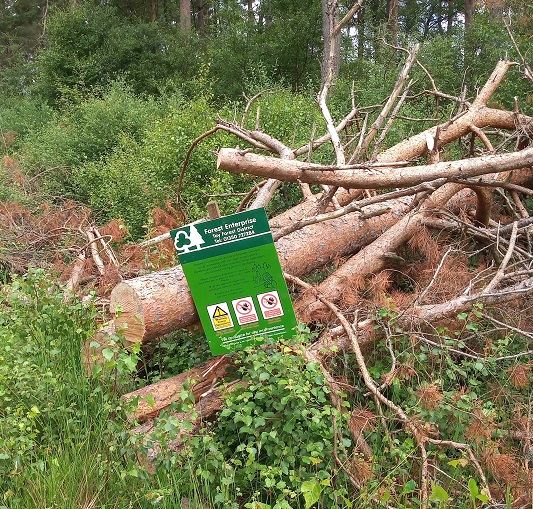
But once through the gate at the end of the straight track, the going is tricky. At this time of year, wellies are essential, thanks to the legacy of ditches, boggy ground and waterlogging that followed the felling of the trees here. When did it become the norm for forestry practice to leave such a mess? However, with care, agility and thanks to the enterprising actions of previous walkers using felled timber to ford the worst ditches, you can get to the main path that circles the wood.

Deer, birds and other animals have their own paths off into the undergrowth, but for humans, the area where trees were felled before the Commission ceased to work are becoming impenetrable, Gorse crowds thickly on either side of the track, requiring constant maintenance to keep it from meeting in the middle. Self-seeded birch, larch, Scots pine and willow are all growing well, but there are no paths between them in this baby wood. Then there are the trackside deep ditches, another legacy of forest drainage operations, not impossible to cross but very off-putting.

So walkers, joggers and cyclists stick to the circular path and leave the wood by the way they came. Someone on Trip Advisor found the wood disappointing, and the circular track through felled forest boring. But I wonder. We undervalue landscapes that aren’t “finished” – such as newly planted gardens and self-seeded woods at the start of succession. The prettiest part of Five Mile Wood may be the winding bike-track under mature trees which shoots off from the main path near the south entrance, but the burgeoning growth of pioneer vegetation in the centre – the “gap site” as some call it – is vibrant with hidden life, resounding with the flickering flight of small birds and bubbling with amphibians and aquatic life in the ponds and ditches created for drainage. Even the nuisance gorse is a rich nectar source for pollinators and home, each bush, to thousands of spiders and other invertebrates. It’s not what we are schooled to believe beautiful, but in terms of ecology and resilience, it is every bit as valid as ancient oak climax woodland. Not all landscapes can be measured in human terms – though the amount of carbon sequestered by rapidly-growing trees and shrubs will be enormous and far greater than that in a carefully-planned, gardenesque setting. And humans need carbon sinks as much as every other life form.

People like to have choices, though. Choices about where to enter the wood – entrance points close to all the settlements that lie within walking distance. New tracks to follow, new routes to explore, the chance to come out into the sunshine at a different point from where you went in. Paths that cross, diversions, sidetracks, viewpoints. I don’t think they should be the main focus of the wood, or dominate the richness of undisturbed wildlife in the centre. There must be places that are no-go areas for humans, where nature can get on with it, and prove, as ever, that she will make a better job of it than we can.

And then, let our tracks meet and link wood to wood, as we learn to walk more, and be more in nature and less apart from it. Then we will lose our expectations of park furniture and entertainment, and realise the woods aren’t, in the end, all about us.

The Mushroom at the End of the Wood

A Post for West Stormont Woodland Group

Larch Boletes in Five Mile Wood

In Anna Tsing’s book The Mushroom at the End of the World*, she tells the story of landscapes ruined – or seemingly ruined – by the greed of human activity. In particular, forests. In one unpromising forest in Oregon USA, where commercial forestry had stripped out all the trees of value and left an empty terrain of broken ground and scrubby volunteer pines, she met some mushroom hunters, refugees from Laos. They were gathering Matsutake, one of the most prized and valuable edible mushrooms in Japan and – allegedly – the first living organisms to appear from the wreckage of Hiroshima after the Bomb.

Matsutake mushrooms, like many fungi, only appear when they can be entangled with the roots of a suitable host tree in a mycorrhizal relationship. They got on very well with those scrubby pines. Tsing tells how the accidental introduction of the Pine Wilt Nematode on a shipment of American Pine into Japan had devastated the Matsutake’s natural host there, hence its rarity. It is not a serious pest of American Pine.

Incidentally, Scots Pine is a good host for Matsutake, too….

Abandoned remnants of the commercial forest

Mushrooms disappearing when a forest changes is familiar to me. All forests and woods are in the process of change, but our two ex-commercial forests, Five Mile and Taymount Woods, are forests in abrupt transition. Before the Commission took out the last valuable trees and wind-throw did for many more, Five Mile Wood was my happy mushroom-hunting ground, the place I’d take people to for foraging walks. I knew exactly where to find the biggest chanterelles, the white Angels’ Wings, the logs where real oyster mushrooms could often break out. The ditches beside the path were home to many fascinating species, including several edible Boletus including the Cep and the maggot-free Bay Bolete – and, of course plenty of highly poisonous examples too. Some years, the tantalisingly similar but inedible False Chanterelle outnumbered the real one – which is exactly what you need when teaching people not to harm themselves by misidentification. One damp corner was an emporium for the delicious Slippery Jack, which turned up in troops like clockwork, every year in late summer and autumn. I used to dry the ones we didn’t fry up right away, and store them in jars.

The biggest chanterelles

The fragile associations which had built up over the decades were shattered by felling. The self-sown birches that are colonising parts of both the woods now will eventually reel in their own, interconnected fungal friends, and the chanterelles will surely re-emerge one day, because birch is their main host tree. But from my experience, it takes at least a decade before mushrooms start to appear in a new wood, and the first arrivals are never the ones you want to eat! The precarity of a habitat for specific mushrooms is alarming – involving water tables, shade, parasitic plants, weather patterns, nematodes, beetles, animals – including mushroom pickers. Tsing’s book includes chapters on the equally precarious lives of the pickers – refugees, indigenous peoples, itinerants. Humans aren’t in control of what the mushrooms will do, because there are so many variables in play. Humans are just part of the landscape, and the landscape is changing because of and despite them.

Another remnant….

So, I can only observe and enjoy the new but mushroom-free habitats in parts of our woods, note the changes, watch new worlds forming out of devastation and realise we are not in charge, not that clever, and maybe, not that important either. I scoured the ditches in Five Mile Wood for boletes recently, and right at the end, I did find a couple of lingering and determined specimens. I left them there.

But who knows what will be the mushroom at the end of the wood? And where is the end of the wood?

*Tsing, Anna Lowenhaupt: The Mushroom at the End of the World – On the Possibility of Life in Capitalist Ruins (Princetown University Press 2015)

The Difference a Drop of Rain Makes

A Post for West Stormont Woodland Group

https://www.weststormontwoodlandgroup.org.uk/

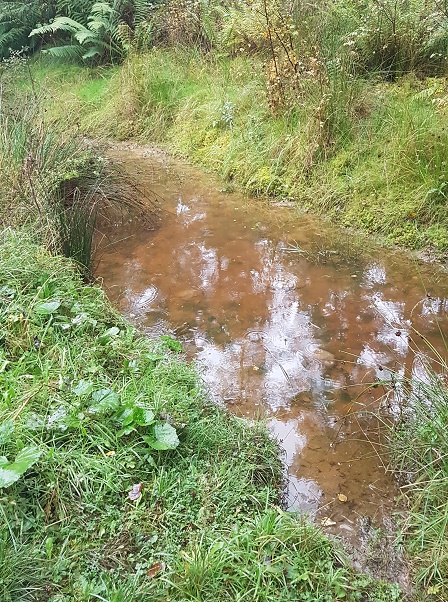
Five Mile Wood today is a wood part-forest, part scrub and heath. When the Forestry Commission took out the last tree crop, they left a fragile fringe, largely of Scots Pine, around the north-east side of the circular path that now forms almost the only access to the bulk of the wood. The Benchil burn trickles through and under the path here, on its way to the Tay, and water from the high water table of the central area percolates into a series of pathside ditches and curious water-holes made by a forestry digger. This is the wet side of the wood. While the trees must take up a lot of water, their canopy also prevents evaporation, and after recent heavy rain, the glades and ditches are alive with summer flowers and butterflies.

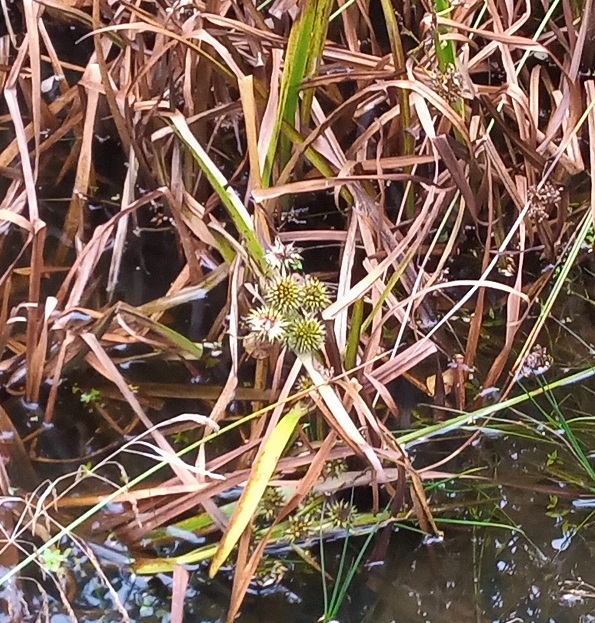
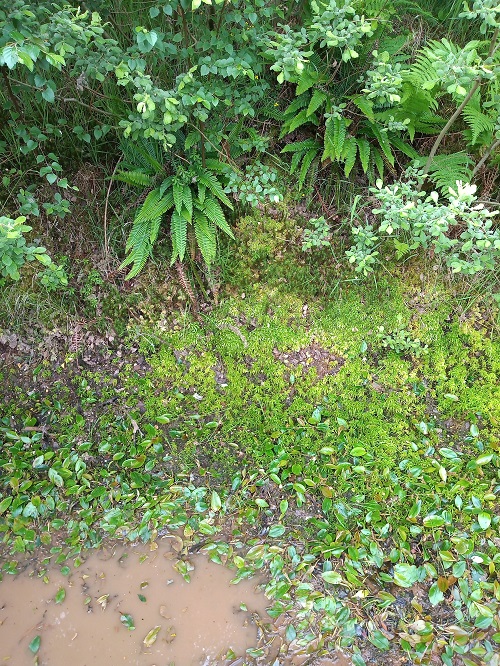
Sphagnum, Lesser Spearwort, ladder ferns and willows congregarte in wet ditches.

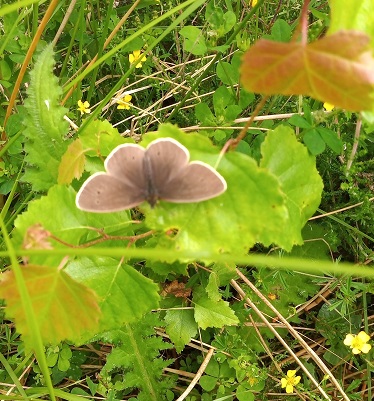
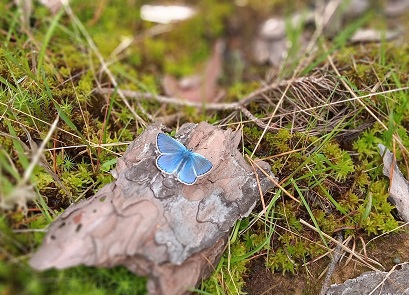
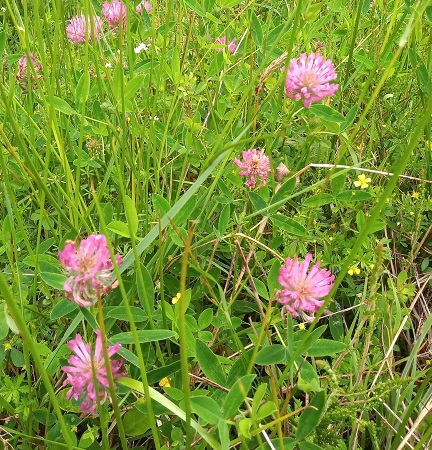
Heath Bedstraw and Tormentil are strewn along the path edges like yellow and white confetti, and red clover flourishes heroically on the banks. Meadow Vetchling and Bird’s Foot Trefoil are visited by brown ringlet, wood white, common blue, and pearl-bordered fritillary butterflies, who pause and spread themselves out infrequently on warm stones and bark shreds on the path.

Ringlet Butterfly

Common Blue Butterfly

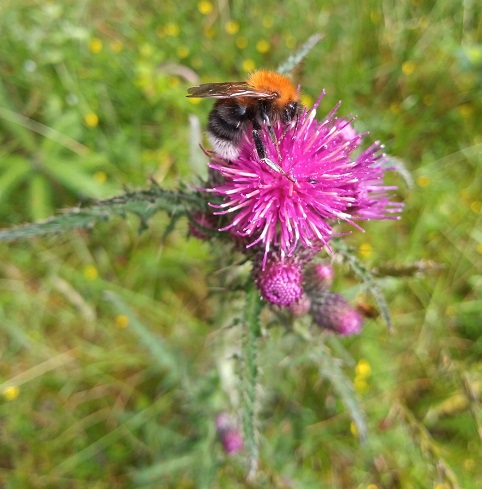
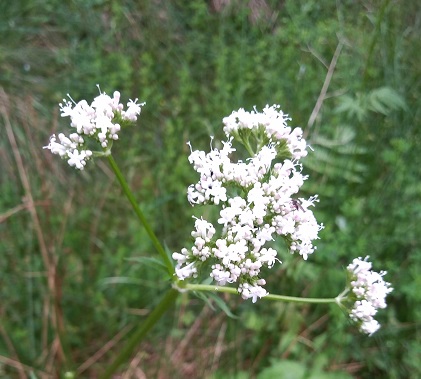
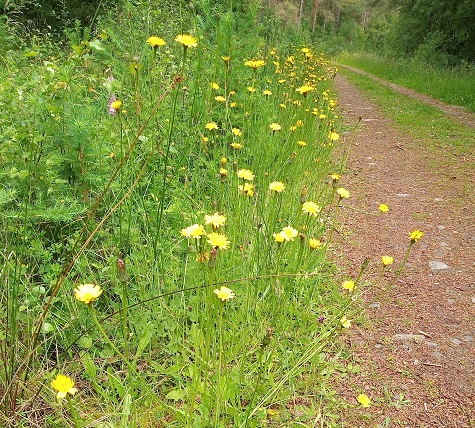
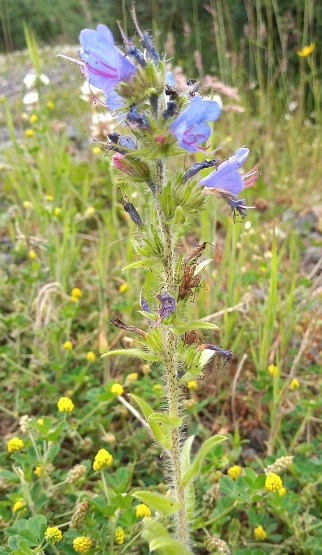
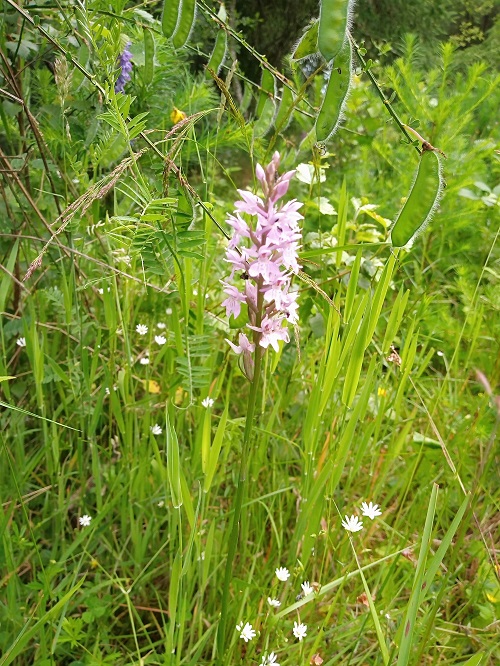
Bright Hawkweeds grow tall and enthusiastic, stretching for the dappled sun that today is scorching whenever the clouds part. In the cooler shade, sweet-scented Valerian grows. It prefers a damp habitat, and its white to pinkish flowers are nectar-rich, a magnet for more butterflies. This plant is widely used in herbal medicine, its roots being a soporific. Common Orchids and Viper’s Bugloss unusually share a habitat. Here and there are thistles, always a good bee-flower, and today a relevant newcomer to central Scotland, the Tree Bumble Bee (Bombus hypnorum) is engrossed with nectar collection.

Tree Bumblebee (Bombus hypnorum)

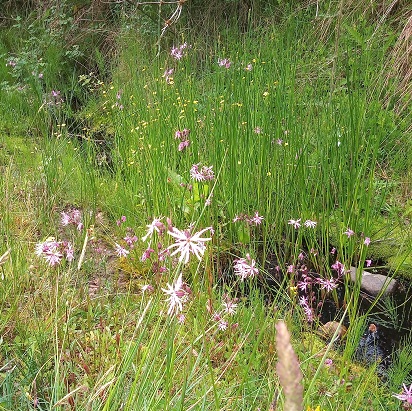
The true nature of this tract of land gives itself away in the damp bases of ditches and where vague deer tracks can be followed a short way into the springy sphagnum. It is part of a network of raised bog, myre or moss that probably once were joined. King’s Myre in Taymount Wood is another remnant. Damselflies hover over the multicoloured water forget-me-nots in conjoined pairs. The Lesser Spearwort dazzles from many a watery ditch and aptly-named Ragged Robin, dances its frilly pink skirts by the burn. Acid-loving and ubiquitous tormentil abounds, and bell heather is in flower already – another treat for insects.

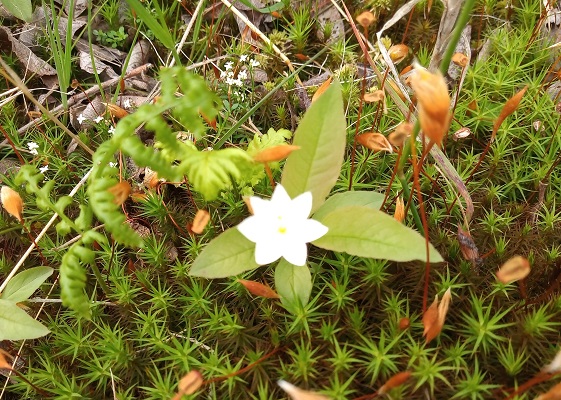
Chickweed Wintergreen peeks out from ferns and sphagnum mosses

We humans are such visual creatures, and it’s the flowers that draw us and grab our attention. But flowers are the tip of the ecological iceberg of the wet side of the wood. Ferns, grasses,  unidentified rushes and reeds are the matrix of this habitat, while unnoticed and unobtrusive, the sphagnum mosses proiliferate, and go on with their work of creating peat, holding onto water – and capturing carbon.

How the woods work to heal us.

Clockwise from top left: Red Clover, Valerian, Viper’s Bugloss, Ragged Robin, Common Spotted Orchid

Bees, Butterflies and an Old Straight Track

5mile wood1

The things you do in a lockdown. I wouldn’t normally walk from the house to Five Mile Wood, I’d call in on my way to somewhere else, parking the car. It’s not an especially long walk, but since they felled most of the trees on the Bankfoot side, cavernous ditches and hollows have made the entrance to the wood treacherous, wet and debateable, and the track to get there goes on a bit and is not especially interesting.

Or so I thought.

I marched out from Bankfoot on one of those dazzling, sun-struck mornings of which we’ve seen so many this April. We crossed the pleasantly deserted A9 and the field to the edges of Cairnleith Moss and turned right along the track to North Barns. The path stretched ahead in a tediously straight line, the wood in the far distance looking nearer than it actually was. At some point, I turned round to let the dog catch up.

5mile track1

It was a VERY straight track. North, it pointed directly at Birnam Gap, the space between the hills where every Great North Road is forced to pass. Ahead of me, beyond Five Mile Wood, the conical East Lomond Hill in Fife lay in a direct line. Suddenly, it fell into place. With these landscape markers aligned, this was the ancient route north – preceding the drovers’ track above my house, which preceded the winding old A9 through Bankfoot village, which went before the current A9. They all run roughly parallel, and all have to go through Birnam Gap. (Later I consulted the maps: this old straight track seems to have continued beyond the wood to meet the Tay at Waulkmill, then probably followed the straight road through Stormontfield, and on to Perth or beyond).

5mile track2

On either side, vast, treeless fields stretched forever, brown, homogenous, dusty and devoid of hedges. In a hollow beside the track were a dozen beehives. I realised the field I’d just passed did contain a crop – oil seed rape, yet to flower. That’s why the bees were there. A farm vehicle traversed the horizon on the other side, trailing an enormous boom sprayer. Dust and chemicals billowed behind it. The smell in my nostrils was like an airport runway. How on earth, I thought, did the bees keep going, while waiting for the rape to flower? There were no wild flowers in this agricultural desert.

5mile entrance           5mile gorse

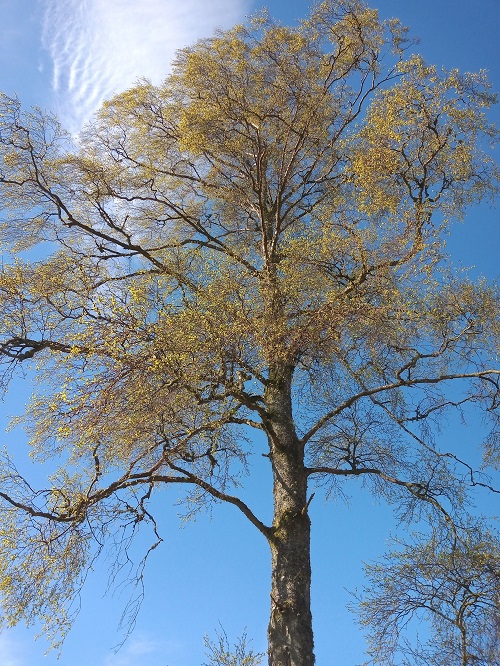
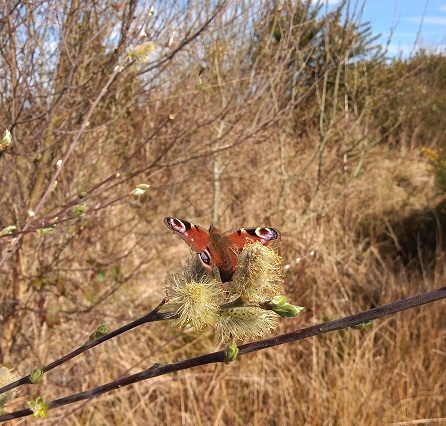
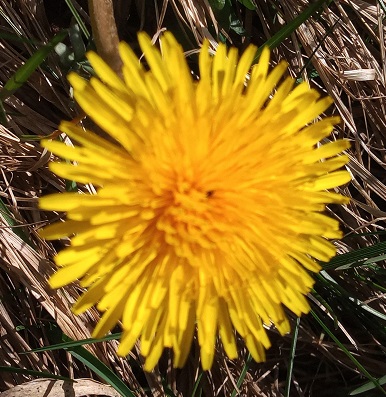
Reaching the edge of Five Mile Wood, I crossed the gate into the ravaged landscape of felled trees. The footpath sign directed me, and I could see where I needed to be, straight ahead on the old track, but a new route had to be picked to get there. Others had succeeded; makeshift log bridges across water-filled ditches, meandering paths that skirted the boggy areas. I reached the main path which circles the interior of the wood amid the heady coconut-scent of gorse – and there I found the bees, working the flowers sprung up in the new heathland created by felling. Beautiful birches, freed from forest, leaves just opening against a vivid sky. A border of dandelions edged the path, dancing golden and perfect in the sun of noon. Goat willows, pioneer trees of clearings, still in flower, had attracted a small swarm of peacock butterflies. In the new landscape of a one-time forest the bees and butterflies and all the creatures of the heath found sanctuary.

5mile birch     5mile peacock

Returning home, I thought about how important this chameleon landscape is, set against modern farming. I thought, too, about the old straight track that entered the woods, and how its purpose was muddied by activities that had made it so hard to follow. I thought how approach and access is so important, in any plans we may have for these woods in the future.

5mile dandelion